Serena’s Review: “A Dance with Fate”

36253130._sy475_Book: “A Dance with Fate” by Juliet Marillier

Publishing Info: Ace Books, September 2020

Where Did I Get this Book: Edelweiss+

Book Description: The young warrior and bard Liobhan has lost her brother to the Otherworld. Even more determined to gain a place as an elite fighter, she returns to Swan Island to continue her training. But Liobhan is devastated when her comrade Dau is injured and loses his sight in their final display bout. Blamed by Dau’s family for the accident, she agrees to go to Dau’s home as a bond servant for the span of one year.

There, she soon learns that Oakhill is a place of dark secrets. The vicious Crow Folk still threaten both worlds. And Dau, battling the demon of despair, is not an easy man to help.

When Liobhan and Dau start to expose the rot at the center of Oakhill, they place themselves in deadly danger. For their enemy wields great power and will stop at nothing to get his way. It will take all the skills of a Swan Island warrior and a touch of the uncanny to give them a hope of survival. . . .

Previously Reviewed: “The Harp of Kings”

Review: As always, I’m excited whenever I see a new Juliet Marillier book coming out. The first book in this trilogy (?), “The Harp of Kings” definitely set the stage for this second book, leaving a few threads dangling and a mysterious enemy in the form of the Crow People. While it wasn’t my favorite of Marillier’s work, I thought it was a good start to a new series and introduced a compelling set of new characters. This second one was…odd. I still enjoyed it, but not as much as I had hoped, even though, on the surface, it seemed to have most of what I look for in these types of books.

Liobhan and Dau are on the cusp of achieving that which they both have worked so hard and so long to accomplish: to become full members of the Swan Island crew. But, in an unfortunate accident while the two spar, Dau suffers a debilitating injury that costs him his sight, perhaps forever. With his family now demanding justice, Liobhan finds herself alongside Dau back where neither wish to be and a place that caused only harm and suffering to Dau during his childhood. There, they must both confront the evils at the heart of Dau’s family, and maybe some mysteries, too.

My description of the book, following the example of the published one, fails to mention that Brocc, too, is a part of this story. After his decision to marry a half-Fae queen and join her in her realm at the end of the last book, I wasn’t sure what we would see from him here on out. But low and behold, he ends up with a decent number of chapters and his own arc in this story. It’s also made clear by the end of this book that there will be more to hear from him in the third. Not sure why the publisher failed to include the fact that he is still a main character, but I suspect it’s because they realize that most readers are probably here for Liobhan and Dau. I know I was.

Brocc’s not a bad character, but it’s hard to be as compelling as two leads that each have quite a number of chapters devoted to their POVs making them both more compelling together and apart. Brocc’s own story here was…strange. It’s clear that he is still struggling to find his own role in the Fae world. And, due to the fact that he grew up in the human world, it’s also clear that he has very different views and ideas about the threat the Crow People pose to the Fae. He ends up with his own mini quest, which I found compelling enough. But I really struggled with the romance between Brocc and his wife. I’m not sure if we’re supposed to like her or not? By the end, I really didn’t like her at all, but was still unsure whether the author had been meaning for a few late reveals to materially change the negative impression that had been built up. For me, the reveal was definitely not enough to change my mind and, by its nature, kind of made me more mad to think that we might have been supposed to forgive her decisions and treatment of Brocc due to it. I don’t want to spoil it, but if you read this book, you’ll see what I mean. Maybe other readers will have a different impression. But all of this together left me really struggling to enjoy Brocc’s section of the story.

As for Dau and Liobhan, I enjoyed their story more. I think partly they are simply more compelling characters on their own, but they also had more to do in this book in particular. That said, they still didn’t seem to have enough to do. The mystery at the heart of their story is pretty obvious from the get-to, so it’s more a journey of reaching the obvious endpoint than in unraveling any real clues. Dau’s recovery and his attempts to come to grips with his new situation are interesting enough, but, again, there wasn’t any real tension here as it seemed like the conclusion of his arc was also well-telegraphed. And, again, the romance left something wanting.

This is a particularly frustrating thing to find in a Marillier book, as I’ve always thought that one of her best strengths is her ability to write compelling, swoon-worthy romances. But here, it just felt off. There really was no obvious progression of Dau and Liobhan’s feelings. Instead, we were simply told that they each began to have feelings for the other. It was incredibly disappointing  and said, especially knowing what the author is capable of. There could have been a really great romance here, but for some reason, it just felt deflated and underdeveloped from the start. There’s another book coming and some challenges still ahead of these two, so I’ll hold out hope that this ship can be righted.

I still love Marillier’s writing style and the overall tone of her take on fantasy stories. There are some good pieces in these books, but for some reason they just don’t seem to be coming together the same way several of her other stories have in the past. Obviously, I’ll still be here for the next one, but I’m a bit more nervous about it than I remember ever being in the past for one of this author’s books.

Rating 7: A surprisingly lackluster romance on two counts left this book feeling a bit limp at times.

Reader’s Advisory:

“A Dance with Fate” isn’t on any Goodreads lists yet, but it should be on “Strong Fighter Heroines.”

Find “A Dance with Fate” at your library using WorldCat!

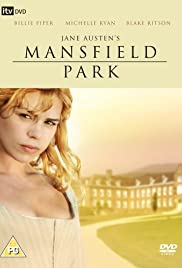
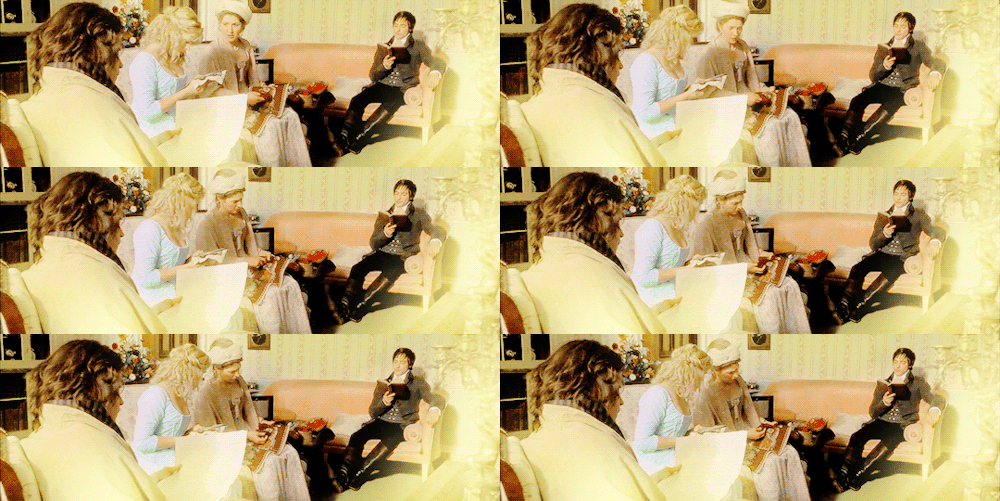
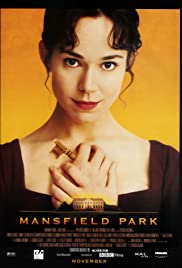
My Year with Jane Austen: “Mansfield Park” Part II

45032Book: “Mansfield Park”

Publication Year: 1814

Book Description: Adopted into the household of her uncle, Sir Thomas Bertram, Fanny Price grows up a meek outsider among her cousins in the unaccustomed elegance of Mansfield Park. Soon after Sir Thomas absents himself on estate business in Antigua (the family’s investment in slavery and sugar is considered in the Introduction in a new, post-colonial light), Mary Crawford and her brother Henry arrive at Mansfield, bringing with them London glamour, and the seductive taste for flirtation and theatre that precipitates a crisis.

Part I – Chapters 25 – End

Story – “The person, be it gentleman or lady, who has not pleasure in a good novel, must be intolerably stupid.”

Henry Crawford continues his stay and attention to Fanny. Much to her dismay, he even proposes renting out the home destined for Edmund, with the idea that Edmund can stay on at Mansfield Park once he takes orders. Fanny is dismayed by this plan, both its implications towards Edmund as well as herself.

Eventually, the idea of hosting a ball during William’s stay takes hold and arrangements begin to be made. While Edmund debates the chances of a future with Miss Crawford (whose dislike of the clergy has been well, and rudely, established, Fanny’s mind is occupied by finding a necklace to wear with a small cross that William gifted her. On a visit to Miss Crawford, Miss Crawford presents Fanny with an array of her own chains to choose from. Fanny resists, but after much pressing, finally selects the chain that she feels Miss Crawford is most often putting forward and thus most likely to wish to part with. She then discovers that the chain had been a gift from Mr. Crawford and attempts to give back, to no avail. She suspects that Mr. Crawford himself had some hand in this affair. Later, Edmund presents Fanny with a simple chain that he had purchased for her for the same purpose. Fanny is gratified to find that Miss Crawford’s chain won’t fit the cross, but determines to wear both chains together in acknowledgement of each gift.

The day of the ball arrives, and Fanny is horrified to learn that she is meant to open the ball, and with Mr. Crawford nonetheless. For his part, Mr. Crawford continues to lavish attention on Fanny, Fanny continues to be put off by it, and Miss Crawford continues to push the attachment, confused by Fanny’s reluctance. Over the course of the evening, Sir Thomas, himself, becomes more and more convinced of Mr. Crawford’s sincere attentions to his niece.

William leaves the next day, Edmund goes away for a week as well, and Mr. Crawford, too, goes to London,leaving spirits much depressed. Miss Crawford realizes she misses Edmund and confides in Fanny about it. Mr. Crawford, for his part, confesses to Miss Crawford that he is going to propose to Fanny; she is shocked. Both siblings laugh at the shock this will bring to the two Bertram sisters. The next morning, Mr. Crawford arrives when Fanny receives the news that William has received a promotion and she learns that he had went to London to have his Uncle see to just this event. He then uses this opportunity to begin confessing his feelings to Fanny, much distressing her. She negates all of this and rushes away. She is made further uncomfortable by receiving a note from Miss Crawford insinuating much about Fanny’s soon-to-be relationship to herself. Fanny writes back a note saying she knows neither Miss Crawford or Mr. Crawford mean anything by it.

The next day, however, Sir Bertram finds Fanny in her room (he notices that she has no fire) and announces that Mr. Crawford had come to speak him that very morning, asking for Sir Thomas’s blessings on his plans to ask Fanny to marry him. Fanny is shocked and tells Sir Thomas there must be a mistake as she had clearly rebuffed Mr. Crawford just the other day on this very topic. Sir Bertram is shocked as well, asking several times for clarification that Fanny means to be refusing Mr. Crawford. Fanny is dismayed to find that in a man whom she had thought so just, that her simple answer of disliking Mr. Crawford is not enough of a reason for her to deny marrying him. Sir Thomas gives a harsh speech in which he calls Fanny obstinate, selfish, and ungrateful, making Fanny cry bitterly. Sir Thomas sends Mr. Crawford away and has Fanny take a walk to calm herself. When she returns to her room, there is a fire to warm the room.

When Fanny finally does have to speak to Mr. Crawford, she is dismayed to find that he is unrelenting, even in the face of her firm refusals. Fanny, at least, thinks they are firm, but her gentle nature tempers everything she says. What’s more, Mr. Crawford, really believing himself in love, cannot fathom the idea of not succeeding. For his part, when Sir Thomas speaks to Mr. Crawford later, he is encouraged by Mr Crawford’s steadiness of purpose and believes him in his idea that Fanny will come around. Sir Thomas decides to recuse himself from all further proceedings, and tells Fanny that they need no longer discuss it and he will no longer push the alliance on her. But her aunts must be told of what is going on.

Edmund returns home and is informed of all that has happened. He’s not as shocked as Sir Thomas, but takes his father’s view of it being generally a good thing that he is hopeful Fanny will realize for herself. But he knows enough of Fanny not to push the topic on her or embarrass her further about it. When witnessing the two together, however, Edmund doesn’t know if he could have gone on wooing a woman who so clearly wasn’t expressing any interest back. Crawford, however, persists.

The next day Edmund and Fanny walk about together. Fanny is gratified to know that Edmund does not blame her for refusing, but they do disagree about whether there is any future there. Fanny proclaims there is not, while Edmund says they have enough things in common to make it work. Fanny suspects Edmund may be trying to talk himself into more comfort about himself and Miss Crawford without realizing what he is doing. Fanny, in her attempts to make Edmund understand her true qualms about Mr. Crawford’s character, even brings up the disastrous play and Crawford’s toying with Maria and making Mr. Rushworth jealous. It becomes clear that Fanny, still, has a much better grasp on that entire affair than Edmund. The conversation ends with Edmund realizing Fanny wishes to speak no more of it, and Fanny realizing that Edmund is too caught up in Miss Crawford to perfectly understand what she, Fanny, is saying.

Miss Crawford visits one last time before she and her brother mean to leave the for a period of time. Fanny learns during this meeting that it had been entirely Mr. Crawford’s idea that Miss Crawford should offer Fanny a chain for her cross and had given her just the one Fanny took for that purpose. Fanny also tells Miss Crawford that she saw Mr. Crawford’s treatment of Fanny’s cousins, and, thus, could not take him seriously with regards to herself. Miss Crawford laughs the whole thing off and takes her leave.

William comes home again to Portsmouth to and Sir Thomas, after consulting Edmund, decides that this would be a good opportunity for Fanny to not only spend more time with her beloved brother, but to visit the rest of her family as well. He also suspects that a longer visit back home will encourage Fanny to miss Mansfield and the luxuries of the life she has become used to, the life that Mr. Crawford is offering her. Fanny is delighted by the scheme, eager to visit the rest of her family. Before leaving, Edmund hints that he will write Fanny when he “has anything meaningful to write about;” Fanny mentally braces herself for this future announcement.

Home is not how she remembers it. It is too loud, to uncivilized, and overall too much for Fanny’s weak nerves. She sees poor behavior everywhere about her and is saddened to see a mother much in over her head and seeming to have no idea of it herself, and a father who drinks and goes out on the town too much. She also finds herself to be largely an afterthought to many of her family members. For his part, William’s ship is soon called away, and Fanny finds her happy homecoming scheme to be largely a disappointment.

Eventually, Miss Crawford writes and notes that she has met with the Rushworths and Julia; she also notes how discomposed Mrs. Rushworth became at the mention of Fanny and Mr. Crawford. As Fanny’s stay continues, she finds worth in one of her siblings, a younger sister Susan who, while often lead astray, still seems to sense what is right and wrong in her family. Fanny makes an effort to spend more time with this sister and hopefully instill in her some of the same lessons that she, Fanny, learned from Edmund while growing up.

For his part, Edmund is now due in town and Fanny anxiously waits to hear from him and his meetings with the Crawfords. Alas, no word comes, week after week. Instead, Mr. Crawford himself makes a sudden appearance at her home. After catching up some, they go for a walk where Fanny is dismayed to find them quickly running into her father. Luckily, Mr. Price is on his best behavior and does not shame Fanny too badly. Mr. Crawford visits the next day as well. He notes her fatigued looks and asks when she is to return to Mansfield, noting that he has seen their treatment of Fanny and that she can be often forgotten. He offers to fetch her at a moments notice. Eventually, he takes his leave.

Eventually, Edmund writes. Much of his subject revolves around his pains at Miss Crawford’s changed spirits while in the company of her friends. He sees all of her formerly bad spirits coming up again; but at the same time, he confesses that he cannot give her up and is the only woman he can think of as a wife. He also notes that he has seen Mr. Crawford and Maria together and can admit that they did not meet as friends. Shortly after this letter’s arrival, Fanny gets one from her Aunt Bertram who notes an upsetting event: Tom has fallen severely ill while travelling with friends. Over the next few days, Fanny hears more and more. Tom is removed to Mansfield Park and everyone is distressed by how poorly he is doing.

Among these regular notices, Fanny once again hears from Miss Crawford. In this letter, Miss Crawford casually talks about Tom’s eventual death and all the benefits this will see to such a deserving younger brother as Edmund. She also mentions that Mr. Crawford is heading off to visit some friends where Maria Rushworth is also currently visiting. A week or so passes before Fanny hears again, this time in just a short note from Mary that mysteriously alludes to some scandalous rumor involving Henry that Fanny should disregard completely.

A few days later,  Fanny learns what this rumor is from a notice in the paper: Maria had run off with Mr. Crawford. And a few days later, still, Fanny finally hears from Mansfield in a letter from Edmund confirming the notice in the paper and adds even more bad news in the form of notifying her of Julia’s elopement with Mr. Yates. But the good news includes the fact that Edmund will be coming the very next day to fetch her and that Sir Thomas has even extended an invitation for Fanny to bring along Susan back with her.

Edmund comes and they all journey back to Mansfield, where Fanny is greeted with much enthusiasm from her Aunt Bertram who had truly been missing her. The entire family persists in misery, though Fanny does think to herself that now, at least, she must be fully justified in her refusal of Mr. Crawford. Eventually, Edmund tells Fanny of his last interactions with Miss Crawford. He had been invited to see her after the scandal with her brother had gotten out, and he went with all the strong feelings that he attributed to her and knowing that she must know this will be their last visit as friends. But instead, Miss Crawford spoke with only a modicum of seriousness and persisted on referring to the entire affair as only “folly” and bemoaning only that the whole thing had not been better hidden. She even goes so far to say that if Fanny had only accepted Mr. Crawford he would have too busy to have gotten into this mess. Edmund admits that the Miss Crawford he’d been pining over for the last several months had been a woman of his own imagination.

While the others get through their struggles, Fanny at least is happy for once. For most, her value has been finally recognized, she is free from Mr. Crawford, and Edmund is freed of the influence of his sister. Sir Thomas struggles the longest, having to recognize the failings in education given to his daughters who behaved so wrongly. Tom recovers, both physically and gaining some level of sense and duty. Maria fails to convince Crawford to marry her and ends with nothing more than a fall from society, divorce from her rich husband, and Mrs. Norris’s company in her solitude (Sir Thomas comes to recognize all the evils of Mrs. Norris, so the situation is seen as a winning one.) Eventually, Edmund comes to realizes how superior a woman he has right in front of him and professes his love for Fanny.

Heroines – “I hate to hear you talk about all women as if they were fine ladies instead of rational creatures.”

Fanny definitely comes into her own more in this second half. First, she stands up for herself and for her choice to refuse Mr. Crawford even in the face of all the displeasure of the Mansfield party. Sir Thomas, though he improves later, is initially quite harsh with Fanny, and while she’s hurt to think that he views her this way, she never falters in her convictions. Even to Edmund, the one person she’s always looked to for guidance, she trusts her own judgement rather than his (though, of course, she’s had ample evidence of his failures to really discern people’s characters as he’s gone on and on about Mary Crawford for the last several months).

Second, when she faces all of the disappointment and hardship at her home in Portsmouth, she still finds a way to be useful and to put to practice what she’s learned from Mansfield and Edmund. She recognizes the good qualities in her younger sister Susan and takes her under her wing, hoping to help her cope with her situation and grow into a better woman than much of the rest of the family. This pays off to such an extent that Susan, too, is brought to live at Mansfield, and, we can presume, to thrive.

Here, too, when Mr. Crawford comes to visit, she’s not swayed even by his improvements. She notes that he seems gentler and more caring of those around her, and she inwardly praises him for it. But as far as her own scruples go, she sees these improvements only in the light that, if he is this much better at caring for others, he will quickly realize how hurt she is by his continued pursuit of her and give her up for good. She never wavers about accepting him.

And, when she gets Edmund’s letter bemoaning Miss Crawford’s modern flaws but still insisting that she’s the only woman for him, Fanny becomes quite sharp (if even only in her own mind.) She practically calls Edmund foolish for delaying asking Miss Crawford if he’s so set on marrying her, and thinks he’s set on dooming himself, regardless of his own better insights and the knowledge that she, Fanny, has shared with him.

She’s also aware enough to be critical of Sir Thomas for delaying fetching her once Tom becomes ill, as Lady Bertram clearly suffers for Fanny not being there during this tough time. Many of these moments are small and never actually spoken aloud by Fanny, but it’s still a big change from the Fanny of the first half who just seemed to go along believing everything that was told to her.

Heroes – “What are men to rocks and mountains?”

Man, it’s almost hard to list Edmund as a “hero.” At best, he’s completely delusional about those around him, and at worst he willfully ignores his own better judgement and that of a woman he professes to respect, Fanny. Again and again, we see Fanny attempt to point out to him the inconsitencies in his views of Miss Crawford and the reality of what she says and does, and he just refuses to see it! And then writes letters to Fanny, even, bemoaning Mary’s latest issues (blaming her friends for leading her astray, though Fanny is quick to realize that it’s likely the other way around) while at the same time proclaiming that she’s the only woman he can see himself marrying. I mean, I get it, he’s infatuated with her. But this is coming about 85% of the way through the book, and it’s a bit hard to really respect him when he’s so willfully blind. We’ve been told he has good judgement, but in reality, the book doesn’t offer a whole lot of evidence of it. He’s also a terrible listener to Fanny.

While he doesn’t push the connection with Mr. Crawford on her, he also seems completely clueless  about why Fanny is not attached to him. Edmund blames Mr. Crawford’s approach as being poor, rather than truly understanding anything about Fanny herself, even when she’s blatantly (well, for her, she’s being blatant) telling him why she’s not interested. To his credit, he knows when to back off, but again, it’s because he seems to think she’ll come around on her own better without people prying than understanding that what she really needs is someone to BELIEVE WHAT SHE IS SAYING.

He so much doesn’t listen to her that when Crawford finally does show his true colors and run off, Edmund attributes Fanny’s poor health to her deep feelings for Henry. And then he piles on by immediately pivoting to how much worse he has it for being longer attached to Mary Crawford than Fanny was to Mr. Crawford. It’s pretty bad, when you really look at it. And then, in the end, sure, he comes around. But…like I’ll talk about in the romance section, it’s a bit too little too late to redeem much “heroism” for poor Edmund. He’s not a bad guy by any means, but he sure doesn’t seem to deserve Fanny, and it’s pretty hard to argue that he’s not the weakest of Austen’s romantic leads.

Villains – “I do not want people to be very agreeable, as it saves me the trouble of liking them a great deal.” 

The villains in this book all get their comeuppance in quite the dramatic fashion. No half measures here! The groundwork had all been laid for both Crawford siblings, so it’s really no surprise when they both show their true colors. But man, they both do it in quite the extreme way! Of the two, it’s almost more shocking that Mr. Crawford would stoop so low. It’s one thing to be an obnoxious flirt, but it’s entirely another to go all the way and run off with a married woman. That’s the kind of thing that, while unequal between the man and the woman in this time period, would still have a lasting affect on his reputation. Before, his other flirtations were of the sort only really noticed by the very discerning and only truly felt by his targets. He could move through society easily enough doing all of that with very few negative affects taken on himself. But his future now seems pretty grim.

Miss Crawford, on the other hand, her big villain moments seem completely in line with what we’ve seen from her before. Fanny always pointed out how thoughtless Mary Crawford was and how very wrongly she thought about things on a truly moral level. So here, when we read the letter she sends pretty much congratulating herself on Edmund’s “good fortune” on the death of his older brother and incoming inheritance, it’s bad, but not shocking. And then that she would talk about the entire Henry/Maria matter in such a cavalier manner to Edmund…more of the same of what we’ve heard from her. As readers, we’ve also been privy to private conversations between Mary and her brother and have heard her express pretty cold, laughing comments about his flirtations with women. So, to the reader, it’s no shock that she would continue to talk about his actions in this way. But to poor, poor, delusional Edmund…oof.

And, of course, Maria and Mrs. Norris get the mutual reward of a lifetime together in their shared displeasure and poor temperaments.

Romance – “A lady’s imagination is very rapid: it jumps from admiration to love, from love to matrimony in a moment.”

Oh, the romance in this book. Or, more to the point, the lack of romance. I obviously haven’t re-read the last two books in this review series yet, but I’m pretty confident in making the proclamation that this is the least romantic of Austen’s fully-realized and published novels. Not only does the hero spend 99% of the book infatuated with another woman, when he does come around to falling in love with our heroine, we literally see zero of it. Austen simply informs us that when the time was right, his feelings changed towards Fanny, and Fanny was happy about it. No dialogue, no romance scenes, no build-up. Just stated as a fact, almost an afterthought, even. It’s pretty anticlimatic, even for Austen, who, as we’ve established so far, often skipped out on really writing the final romance scenes (or at least much dialogue for them).

Instead, again, like the first part of the book, we hear a lot more about all the failures of relationships. We see Henry Crawford cave to his own inner demons even though we’re lead to believe that he did truly love Fanny (the omniscient narrator tells us so, so I guess we have to believe it, much as it grates on modern readers who may recognize his type). Mary, too, spoils her chances at happiness with Edmund and almost seems to ruin herself for future men, having a hard time in the comparisons to him. Maria ends up divorced and living along with Mrs. Norris. Julia does better than the others, but, again, based on what we actually saw of Mr. Yates, he doesn’t seem like that much of a catch and more one that was made hastily by Julia in an attempt to retain freedom than due to any real attachment. It’s all pretty glum.

Instead of the romance, most of the joy of the ending of the book is seeing Fanny finally elevated to the position she deserves. Lady Bertram and Sir Thomas both recognize her as the best “daughter” they had in the lot. She’s useful to her sister Susan, bringing her to the Mansfield party where her life is sure to be improved. And, of course, she’s rewarded with Edmund. Some have interpreted this ending as Edmund being rewarded with Fanny, but, really, I think it goes the other way. She’s the one to get what she wanted through the entire book, the one to actively wish for something that is gained in the end. And Edmund seems so passive in the entire affair that it makes much more sense to me that he is the reward.

Comedy – “For what do we live, but to make sport for our neighbors, and laugh at them in our turn?”

There is also even less comedy in this half than the first. We don’t see any more of Mr. Rushworth, and as Fanny spends so much of her time away from Mansfield, Lady Bertram’s opportunities to provide humor are also greatly reduced. There may be a sort of dark humor to be found in Fanny’s family in Portsmouth, but as we hear so much about the negatives of it all, it’s hard not to see most of it in a sad, tragic sort of light.

Mrs. Norris, for her part, also recedes into the background. Again, we don’t see much of her, and by the time we do, she’s suffering the loss of her beloved Maria and quickly losing popularity among the rest of her family. There’s a line in the end of the book about how she was never able to gain the love of those she loved. Which is just sad! Even for such a mean-spirited character.

So, um, yeah. Not much comedy. It’s pretty easy to see why Austen might have needed a pivot to the much more comedic “Emma” after writing this book.

Favorite quotes – “What did she say? Just what she ought, of course. A lady always does.”

Poor, silly Edmund:

His objections, the scruples of his integrity, seemed all done away, nobody could tell how.

And, the classic Edmund reproach:

Fix, commit, condemn yourself.

And finally:

She was of course only too good for him; but as nobody minds having what is too good for them he was steadily earnest in the pursuit of the blessing.

Final thoughts – “I declare after all there is no enjoyment like reading!”

“Mansfield Park” is a strange Jane Austen novel. It stands out for having much less comedy and much less romance than her other standard books. Fanny, too, is unlike any of the other heroines we typically find. And Edmund…well, he barely counts as a hero. It is gratifying to get to the end and have Fanny so rewarded for dealing with just so many terrible people, but that still leaves 99% of the book reading about her being abused by them. Even Edmund regularly forgets Fanny and/or fails to really listen to what she is telling him.

In many ways, as I’ve noted before, this book seems to spend a lot more time emphasizing just how wrong people can get it in the romance department. Even the good ones like Edmund who is so thoroughly taken in by Miss Crawford. All of the marriages we see are at best indifferent ones, and at worst, openly hostile, like the aunt and uncle who raised the Crawfords. In this second half, we get to see first hand how badly Fanny’s parents’ marriage is going as well, their temperaments seeming mutually unsuitable.

And by the end of the book, it almost seems like only through the sheer luck of Mr. Crawford’s poor self control that we escape two other bad marriages, that of Edmund and Mary Crawford, and, according to the narrator, the eventual marriage of Fanny and Crawford (there’s a decent sized section devoted to how, had Crawford persisted and Edmund and Mary married after all, Fanny likely would have given in after moving on from Edmund. The idea sits uncomfortably, but lucky us, we don’t have to see it.)

This book is more of a struggle for many Austen fans for all of these reasons, I think. It’s also one of Austen’s longest titles, and given the lack of comedy and romance, much of that page time is devoted to either unlikable characters or long discussions/speeches on topics that aren’t necessarily that compelling to modern audiences (like the role of a clergyman in society). For these reasons, it’s definitely the last one I suggest when people ask me where to start with Jane Austen. You have to be a pretty established fan to be able to read this book and get the good things out of it. It is funny, but mostly in the dry, sometimes hard to recognize way that Austen can be at times. And Fanny is the type of heroine that you have to believe is a heroine due to past experience with Austen’s work.

It’s also a very hard story to adapt as a film. We’ll be looking at two examples over the next few weeks, both with very different approaches to how they manage it.

In two weeks, I’ll review the 1999 movie version of “Mansfield Park.”

Kate’s Review: “Displacement”

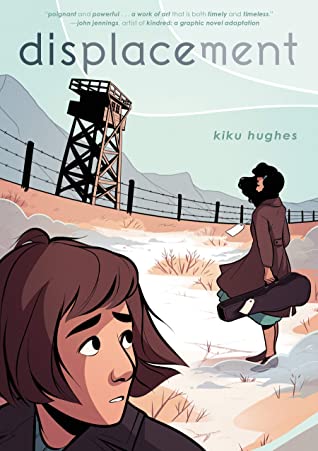
39908611._sx318_Book: “Displacement” by Kiku Hughes

Publishing Info: First Second Books, August 2020

Where Did I Get This Book: I received an eARC from NetGalley.

Book Description: A teenager is pulled back in time to witness her grandmother’s experiences in World War II-era Japanese internment camps in Displacement, a historical graphic novel from Kiku Hughes.

Kiku is on vacation in San Francisco when suddenly she finds herself displaced to the 1940s Japanese-American internment camp that her late grandmother, Ernestina, was forcibly relocated to during World War II.

These displacements keep occurring until Kiku finds herself “stuck” back in time. Living alongside her young grandmother and other Japanese-American citizens in internment camps, Kiku gets the education she never received in history class. She witnesses the lives of Japanese-Americans who were denied their civil liberties and suffered greatly, but managed to cultivate community and commit acts of resistance in order to survive.

Kiku Hughes weaves a riveting, bittersweet tale that highlights the intergenerational impact and power of memory.

Review: Thank you to NetGalley for providing me with an eARC of this graphic novel!

I am always going to keep hammering home the point that if we don’t know our own history, we are going to repeat it, especially now when our country seems to be determined to undercut civil liberties of its own citizens. Between police brutality, towards minorities (particularly Black people), a Muslim ban, and children in cages at the border, it feels like we are slipping more towards times in American history where we committed terrible atrocities that we haven’t really faced as of yet. That brings me to “Displacement” by Kiku Hughes, a graphic novel on the Japanese American Internment during World War II. I’ve read my fair share about this horrific practice (and reviewed another graphic novel on the topic, “They Called Us Enemy” by George Takei), and figured that this would be another powerful, but familiar, take on this period in history. And I can safely say that “Displacement” wasn’t really what I was expecting.

“Displacement” is both fiction, and non-fiction. The non-fiction aspect is that Kiku Hughes’s grandmother Ernestina was held prisoner at both Tanforan and Topaz Internment camps, and that Kiku and her mother did a lot of research into it as Ernestina didn’t open up about it while she was alive. But the fictional aspect is a device that works very well, in which Kiku tells a story of herself being transported back in time, or ‘displaced’ to the 1940s, and ending up at the same Internment sites as Ernestina, therein letting the reader see this historical atrocity through the same modern lens that Kiku may. It’s very similar to “Kindred” by Octavia Butler, and Hughes mentions her specifically in her acknowledgements. I thought that it worked really well because it makes the story feel more personal than perhaps a textbook would, and more relatable since Hughes is a young adult who doesn’t know that much about the camps and what life there was like for Ernestina. It’s a perfect read for tweens and teens who might be wanting to learn about this topic, as while it’s ‘fantasy’, it’s also very realistic and provides the same perspective that they may be going in with. I read “Farewell to Manzanar” by Jane Watasuki Houston when I was in seventh grade, and while I did like it and got a lot from it, I think that if I had something like “Displacement” I may have connected more with it just because of the modern lens. Hughes also makes very clear connections to the current political climate we are in today with Trump and his goons in power, and how there are stark, STARK similarities between the prejudices they hold and the policies they are inflicting upon marginalized groups, and the ones inflicted upon the Issei and Nisei in this country during the Internment.

While “Kindred” is the book Hughes mentions specifically as influence, I also see a lot of similarities to Jane Yolen’s “The Devil’s Arithmetic”, in which a modern day (well modern when it came out) Jewish girl named Hannah is transported back to Poland right as the Nazis take over. I kept going back to that story as I saw Kiku pre-displacement, thinking about how Hannah, like Kiku, doesn’t feel that much connection to her heritage. While “Displacement” certainly does a great job of talking about what specifically happened to her grandmother during the Internment, Hughes also makes direct connections as to how the Internment facilitated a loss of identity for Japanese Americans, and played a part in generational trauma that still lingers today. It’s a theme that I haven’t seen as much in other books, be they fiction or non-fiction, about the Internment, and it is a really powerful way to show that there are far reaching consequences that touch later generations when it comes to trauma and violence directed towards a group of people. Kiku recounts (in the true story part of this book) how she and her mother decided to do their own research about Ernestina’s life in the camps, and about the camps themselves, and find out things that neither of them knew because of survivors not wanting to talk about it due to trauma and shame. This was the aspect that stood out to me the most.

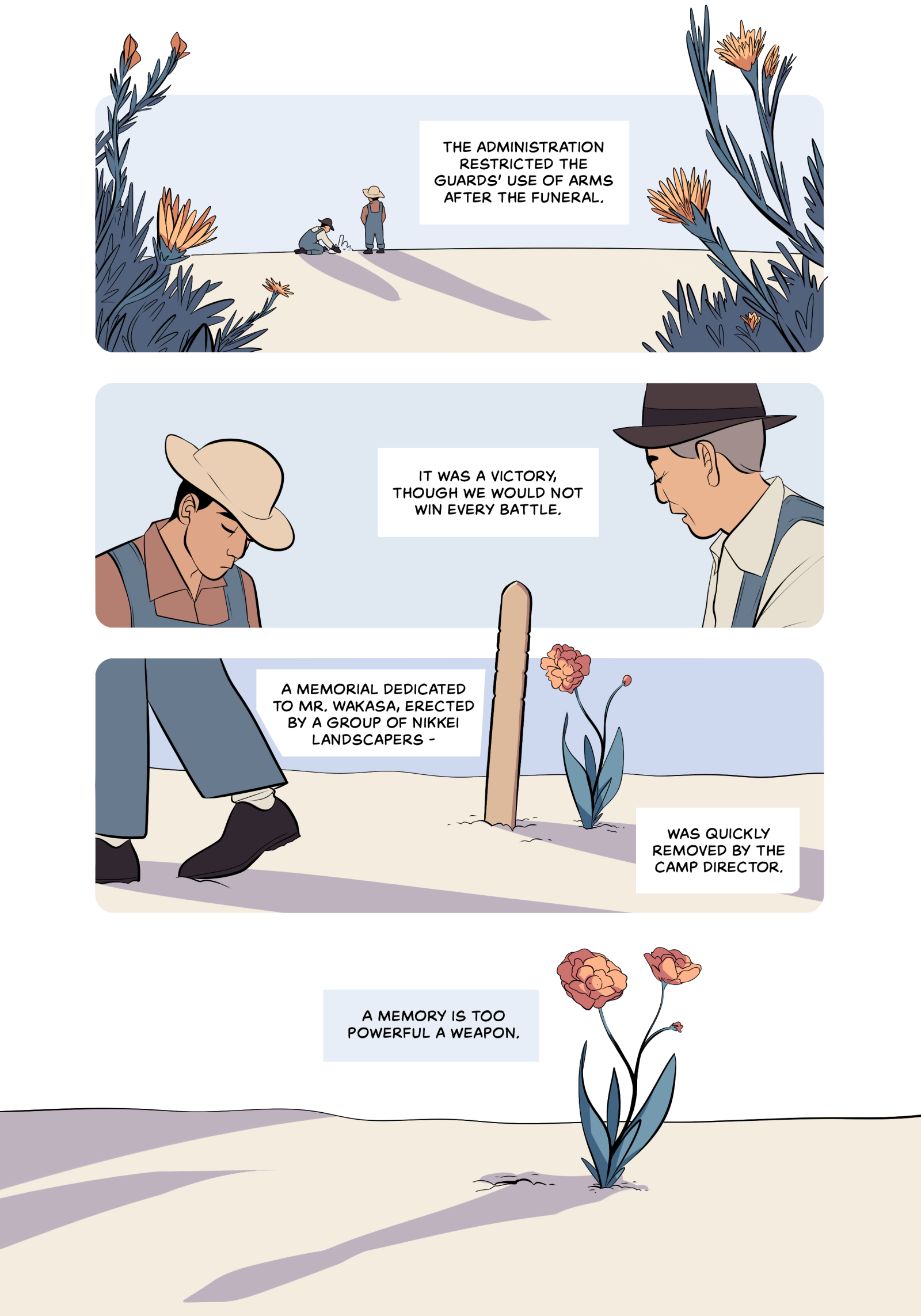
And finally, I really liked Hughe’s artwork style. It feels not dissimilar to what you might expect from modern comics, but there are undercurrents of more realistic artwork and imagery that kind of remind the reader that this is based on something real, and terrible.

wtbchhrnj1x3brfhsqpb
(source)

“Displacement” is a book that I really think educators should have in their curriculums when teaching teens about the Japanese American Internment. It’s easy to understand, easy to parse, and has a whole lot to say about identity, racist policy, and trauma that can last beyond a generation.

Rating 8: A powerful graphic novel and the perfect introduction to the subject for tween and teen audiences, “Displacement” takes on a reprehensible part of American history with a magical realism twist.

Reader’s Advisory:

“Displacement” is included on the Goodreads lists “Surviving in the Japanese Relocation Centers of WW2”, and “2020 YA/MG Books With POC Leads”.

Find “Displacement” at your library using WorldCat, or a local independent bookstore using IndieBound!

My Year with Jane Austen: “Mansfield Park” Part I

45032Book: “Mansfield Park”

Publication Year: 1814

Book Description: Adopted into the household of her uncle, Sir Thomas Bertram, Fanny Price grows up a meek outsider among her cousins in the unaccustomed elegance of Mansfield Park. Soon after Sir Thomas absents himself on estate business in Antigua (the family’s investment in slavery and sugar is considered in the Introduction in a new, post-colonial light), Mary Crawford and her brother Henry arrive at Mansfield, bringing with them London glamour, and the seductive taste for flirtation and theatre that precipitates a crisis.

History – “I read it a little as duty, but it tells me nothing that does not either vex or weary me.”

As her first book conceived and written as an adult, “Mansfield Park” reads tonally very different than her prior two works. Lacking the wit and sparkle of “Pride and Prejudice” and memorable characters of “Sense and Sensibility,” it was received with mixed reviews from its critics. That didn’t stop it from selling out its first run within six months.

The story takes a much more serious approach and spends time exploring themes that were important to Austen, now in her upper 30s. The Bertram families connection to plantations in Antigua and slavery are heavily touched on. The book also explores themes of infidelity, loyalty, and the exploration of the role that the clergy and faith play in the lives of the upper class.

This more serious approach appeals to some readers, both the modern ones and the book’s contemporaries. But others struggled with this tonal change and were perplexed by its heroine, Fanny Price, a young woman much out of line with the previous strong women to grace Austen’s pages. Though Fanny is of a more quiet sort, her strengths of perception, duty, and propriety never fail her, making her more alike to Eleanor Dashwood than any other character. However, the amount of page time dedicated to her actual speeches is much reduced than other heroines, leaving readers to pick up on the smaller, more subtle clues into Fanny’s true worth.  (source)

“I have something in hand—which I hope on the credit of P. & P. will sell well, tho’ not half so entertaining.”– Jane Austen

Part I – Chapters 1 – 25

Story – “The person, be it gentleman or lady, who has not pleasure in a good novel, must be intolerably stupid.”

Of three sisters, one marries well, becoming Lady Bertram of Mansfield Park. One marries in a middling way, becoming Mrs. Norris. And one marries for passion, but poorly, and becomes Mrs. Price. As the years pass, Mrs. Price feels the weight of many children and increasing poverty. Always looking to be useful (but to avoid expense), Mrs. Norris convinces her sister and brother-in-law, Sir Thomas, to take on one of Mrs. Price’s children as a ward. And so Fanny Price comes to live with them in Mansfield Park.

There, she finds an intimidatingly proper and uptight uncle, a lazy and selfish aunt, and another aunt, Mrs. Norris, who makes it her life’s work to remind Fanny how lucky she is to be living among her betters and how she must never forget how unimportant she herself is. Her cousins, Maria and Julia, though taught well, think much of themselves and care little for Fanny. Her oldest cousin, Tom, is too old to even notice her. And her only ally becomes her staunch friend and defender, the second oldest, Edmund. Over the years, it is only he who remembers to look out for Fanny and put her interests forward. Being reserved and polite to the point of silence, Fanny never does so herself.

Over the years, Fanny grows up and very little changes in her life. Her only connection to her family of origin is in letter writing with her brother William whom her uncle, Sir Thomas, helps into starting a career in the Navy. When Fanny is in her upper teens, it becomes necessary for Sir Thomas to travel to Antigua where the family’s sugar plantations are suffering. Though loving of his family, his removal lightens the mood greatly at Mansfield. It is lightened even further when a new set of neighbors move in bringing two young people, a Miss Crawford and her brother, Mr. Crawford. Both are elegant and entertaining, bringing much liveliness to Mansfield Park. The two Bertram sisters are particularly intrigued by the charming Mr. Crawfod. This is fine for the younger, Julia. But the elder, Maria, has been recently engaged to a rich, but not smart, gentleman, Mr. Rushworth.

At first, Edmund joins Fanny in being hesitant about the extent of Miss Crawford’s liveliness, feeling that too often her quick wits lead her astray and into moments of disrespect people and institutions that she should value more highly. But over time, Edmund becomes more and more enamored of Miss Crawford and begins to see only good in her. Fanny cannot follow him in this opinion, thinking cautiously of Miss Crawford and quite poorly of Mr. Crawford who she sees as toying with her two cousins. Edmund even verges on becoming neglectful of Fanny, borrowing out her riding horse to Miss Crawford for lessons. He realizes his error, but it still hurts Fanny, who has begun to feel more and more for her beloved cousin.

On a trip to Mr. Rushworth’s estate, Fanny’s fears for her cousin Maria come to a head as she sees her become more and more neglectful of her own fiance. At one point, while walking, Mr. Crawford and Maria send Mr. Rushworth off in search of a key to a locked gate, then shortly after he leaves, jump the fence and continue on their way without him. Fanny is distressed, even more so for being abandoned by Edmund and Miss Crawford who also make their way forward when Fanny is tired and seem to forget about her for an hour while she waits patiently. On this same trip, Miss Crawford is dismayed to learn that Edmund plans to become a clergyman in a few short months. Being neither a rich profession or a distinguished one, she is quite alarmed for she, too, has begun to imagine a future with Edmund. Fanny is dismayed to hear her speak so poorly of the profession and is astonished that Edmund tolerates even as much as he does; but he is clearly falling more and more in love with her. Mrs. Norris, who accompanies them, of course reminds Fanny just how privileged and lucky she is to experience joys like this.

That fall, Tom and his friend, Mr. Yates, join the group at Mansfield Park. Mr. Yates has the inspiring idea that they should put on a home theatrical. Everyone is all for it, except for Edmund and Fanny who protest that it is not only inappropriate but disrespectful  of Sir Thomas’s wishes, as everyone knows he would disapprove of this plan. Eventually, however, Edmund caves and takes on a role alongside Miss Crawford. Edmund justifies his change in heart as due to his wish to avoid adding stranger to their party to complete the cast, but Fanny hurts to see him become inconsistent and weak in this way.

Having managed to string both sisters along quite successfully for several months, things come to a head between Mr. Crawford, Maria, and Julia when it comes to assigning parts to the play. With only one major role for a woman left to fill, and a part that plays the love interest for Mr. Crawford’s character, Mr. Crawford shows his hand when he advocates for Maria to play the part. Crushed, Julia refuses to be in the play any longer. Maria is exultant in her triumph and pays less and less attention to her betrothed. Fanny tries to bring up her concerns to Edmund, but he doesn’t see it.

A few days before the play is to be put on, Sir Thomas arrives back home unexpectedly. With his arrival comes a swift conclusion to everything having to do with the play. He is disappointed in Edmund for allowing to happen, as well as Mrs. Norris, whom he depended upon to argue his point in situations like this while he was gone. Mr. Yates, whom Sir Thomas strongly disapproves of, makes a quick exit. So, too, follows Mr. Crawford who make very few excuses or goodbyes before leaving abruptly. Maria’s hopes are dashed, and instead she becomes even more dedicated to her marriage to Mr. Rushworth which will afford her wealth and independence. After the marriage, she and Julia depart to Brighton.

Now, as the only young lady in the house, Fanny’s position is brought further forward. Miss Crawford seeks her out as a companion, and Fanny, to Mrs. Norris’s horror, is asked to spend time with her and even attend a dinner party. Fanny sees this more as an obligation than as a joy as she is continually pained by brief moments of Miss Crawford’s inappropriateness as well as the growing attachment she sees forming between Miss Crawford and Edmund.

At her first dinner party, Mr. Crawford suddenly reappears. He means only to stay for a few weeks, but seeing an intriguing and new conquest in Fanny, he decides to stay on later. Her complete disinterest and coldness towards him only inspires him further. Miss Crawford laughs at his exploits and tells him not to toy with her too much. Luckily Fanny is warded by more than just a dislike for Mr. Crawford, but with a previous attachment to Edmund. She begins to appreciate some of Mr. Crawford’s charms, but can never forget his cruel treatment of her two cousins.

A true joy comes to Fanny in the arrival of her brother William who is currently on shore from his duties in the Navy. Sir Thomas is pleased to see him coming along well, and Fanny is in raptures having a beloved sibling by her side, someone whom she doesn’t fear, or feel inferior of, or feel obligated to. Mr. Crawford finds more opportunities to gain points in Fanny’s book by lending William his hunter for the majority of William’s stay.

Heroines – “I hate to hear you talk about all women as if they were fine ladies instead of rational creatures.”

Fanny is definitely a very different heroine to the types we’ve met before. She’s probably most like Eleanor, but with much less confidence in her own judgement. Like Eleanor, readers can fairly quickly identify Fanny’s views as the ones to hold as correct. But Fanny herself rarely voices them, and those around her, excepting Edmund, rarely know that what she is thinking. Even Edmund dismisses Fanny’s concerns about Miss Crawford in general, and the play specifically. He seems to agree with her overall, but in actions, chooses to ignore her warnings. Fanny sees what Mr. Crawford is about, warns Edmund as much as she is able, and he still does nothing. When even her most staunch supporter is not truly valuing the wisdom she has, and when the rest of her life is full of either being ignored or openly scolded, it’s no wonder that Fanny would be as reserved as she is. She is given not practical evidence that her opinions are being held of any value, and it’s to her best credit that she still stands firm behind them. And even if she doesn’t voice them often, she never wavers in her evaluation of those around her.

At some points in the story, it almost seems as if Fanny is suffering from a sort of Stockholm syndrome. Particularly where her Aunt Norris is concerned. She seems to understand, on one hand, how horrid Aunt Norris is in general, but she also has moments where she believes her all to well and is even thankful for her pointing out how lucky she, Fanny, is.

I think it is this sort of excess humility and gratitude for common decency that leaves many readers turned off by Fanny. That combined with the fact that she rarely ever speaks. We’re privy to what’s in her mind, but the book is definitely lacking the strong speeches from its heroine that books that came before had. When Fanny does speak, it often feels like she’s only saying half of what she should or indulging in a poetical moment of whimsy over nature or the clergy or some such subject. Which, while interesting enough, doesn’t really hold up to the witty speeches of Elizabeth Bennett or the strong sense of Eleanor Dashwood. And for modern readers, these lengthy speeches devoted to topics such as these can be a bit dull, especially if that’s most of what you have from your main character.

Heroes – “What are men to rocks and mountains?”

Edmund is a strange sort of hero and an even stranger romantic hero. Indeed, most of his heroic deeds are mostly limited to acts of kindness given from a beloved brother. It is clear that this is how Edmund himself views the relationship, even if Fanny begins to see him differently.

He’s also an odd hero in that we see a lot of his flaws almost from the very beginning. He falls for Miss Crawford very quickly, despite correctly identifying several of her faults right from the start. But, like all fools in love, he quickly begins to dismiss these, even when they are directly targeted towards things he holds dear, like his future profession as a clergyman. We also see her influence lead him astray. His only moments of true neglect of Fanny all come in service of following Miss Crawford’s whims and desires. Miss Crawford wants to learn to ride, so Fanny is deprived of a horse for several days before he finally notices her declining health. Miss Crawford wants to explore further at Mr. Rushworth’s estate, so Fanny is left behind on a bench for much longer than is polite or considerate. And, worst of all, he rightly expresses disapproval of the acting scheme they all take up, but is soon drawn in under only the barest of excuses.

Further, he is an odd hero to modern audiences as many of his kindnesses towards Fanny are phrased around his improving her mind and directing her interests. To those not familiar with the language of the time or unable to firmly root themselves in the specific place and time, this type of language can sound demeaning at best, and at worst, a bit like grooming. Obviously, fans of Austen’s work don’t read it this way, but it does probably add to why Edmund is one of the more forgotten of Austen’s heroes, especially on contemporary lists.

Villains – “I do not want people to be very agreeable, as it saves me the trouble of liking them a great deal.” 

As I’ll get into a bit later, there aren’t a lot of comedy characters in this book. But to make up for that lack, there are a bunch of villains or quasi-villains. To some degree or another, other than Edmund, every member of the Bertram family treats Fanny  pretty poorly. The sisters and older brother ignore her. Mrs. Bertramm only really values Fanny for what she offers herself. Sir Thomas, though generally well-meaning, is intimidating and doesn’t attempt to form a truly caring relationship with his young niece. And, of course, Aunt Norris is the worst of them all.

I think Mrs. Norris truly has to be one of the most despicable characters in all of Austen’s repoirtoire, especially considering her role. Most other villains are typically caught up in the misdeeds of the romances at the heart of the story (we see two, to varying degrees, examples of that here). But Aunt Norris is just a mean, spiteful, small person all around. One has to imagine that it is her constant nagging and heartlessness towards Fanny that largely instills in Fanny the low value she places on her own wants, needs, and opinions. With a constant negative source such as an Aunt Norris influencing her from an early age, it would only be the most stout of characters who could withstand it without some sort of psychological damage. Really, Fanny comes out of it with more self-esteem than many in position would expect to have.

And, of course, we have the Crawfords. We see the flaws in both of these characters almost immediately. Being privy to private conversations, we see that Miss Crawford not only sees her brother playing with the feelings of Maria and Julia, but seems to think the entire thing is a funny joke, showing little to no empathy for her fellow women being toyed with purely for Mr. Crawford’s amusement. And Mr. Crawford, obviously, is about nothing good with his toying with both Maria and Julia. Like Fanny, we see that he attempts to string them both along as long as possible, doing just enough to keep Julia’s attention and hopes focused his way while also devoting most of his attention to the already-engaged Maria.

And both of these two are even worse when they turn their attention to Fanny. To some extent, we can be lead to believe that Mr. Crawford does end up with some true feelings for Fanny. But it is blatantly clear that he does not start out that way. She’s a challenge and nothing else. And like before, Miss Crawford just teases him and tells him not to hurt poor little Fanny too much. This is all the worse for Miss Crawford being astute enough to recognize Fanny’s inherent good qualities, qualities that both older Bertram girls didn’t have. Plus, she knows of Edmund’s love for Fanny, something that one would think would factor into her concern for Fanny’s welfare. But no.

Romance – “A lady’s imagination is very rapid: it jumps from admiration to love, from love to matrimony in a moment.”

There is pretty much zero romance in this first half of the book for our main character. It is well-established that Fanny has feelings for Edmund, but most of her time is spent slowly reconciling herself to the fact that Edmund is falling for Mary Crawford. Given her extreme humility, she doesn’t see a future for herself with Edmund, seeing herself as not deserving of him. But she rightly also knows that Mary really doesn’t deserve him, and that Edmund is willfully blinding himself to her faults.

We’ll get to how the romance resolves at the end of the book in the second part of my review, but overall, “Mansfield Park” spends a lot more time looking at the unpleasant aspects of marriage and love and how very wrong so many people get it. How even the most reasonable people, those who seem to be the most clear-sighted, can fool themselves when infatuated with charm and beauty.

Beyond Edmund and Mary, we have the original story of Fanny’s mother marrying for love, only to be quickly disappointed by a life of poverty, excessive children, and a drunkard husband. We also have the second-hand story of Mary and Mr. Crawford’s aunt and uncle who have an unhappy marriage and, through growing up under their influence, shape these two young people’s attitudes about marriage and love. We also see Maria Bertram make a choice, not once but twice, of marriage for money. The second time, after being spurned in her love for Mr. Crawford, she’s even more willful in the choice she’s making to enter an unhappy marriage. Indeed, there are very few positives takes on love and matrimony in this entire book. It’s almost as if Austen wanted to temper her other works with their rosy pictures of love and matrimony and almost seems to go overboard here.

Comedy – “For what do we live, but to make sport for our neighbors, and laugh at them in our turn?”

There are so many villains in this book that it’s hard to find characters who play much of a comedy role. Indeed, like the romance, the comedy of the story is quite restrained in comparison to the books that came before it. In that way, it’s refreshing to think of “Emma” coming after this one, what with its plethora of hilarious characters, most of whom don’t have a villainous bone in their body.

The best examples are probably Lady Bertram and Mr. Rushworth. Lady Bertram fades into the background through much of the story and plays her own part in taking advantage of her kind niece. But it’s also clear that she really does care for Fanny, even if she doesn’t know how to express it well or prioritize her feelings or care. I think one of the funniest lines in the book is when Lady Bertram falls asleep during the discussion of the play, is woken up, claims to never have been asleep, and this is mocked by her oldest son that no one would have suspected it, what with her lolling head and deep breathing.

Mr. Rushworth, of course, is good for several laughs. But he’s also so pitiable that it’s hard to not often be distracted by that. But his repeated discussion of his many speeches and wardrobe changes for the play are definitely chuckle-worthy.

Favorite quotes – “What did she say? Just what she ought, of course. A lady always does.”

Good early quote to set the appropriate tone for Mrs. Norris throughout:

Nobody knew better how to dictate liberality to others; but her love of money was equal to her love of directing, and she knew quite as well how to save her own as to spend that of her friends.

Even early on, we see that Fanny has the right of it over Edmund, but is too unsure of herself to really put forward her opinion. Here she has a much clearer image of Mrs. Norris’s character than Edmund does, even though Edmund has grown up with her and is older than Fanny:

“I cannot see things as you do; but I ought to believe you to be right rather than myself, and I am very much obliged to you for trying to reconcile me to what must be.”

And a classic favorite, but a good one none the less:

Nothing ever fatigues me but doing what I do not like.

In two weeks, I’ll review the last half of “Mansfield Park” and share my final thoughts on the book as a whole.

Serena’s Review: “A Natural History of Dragons”

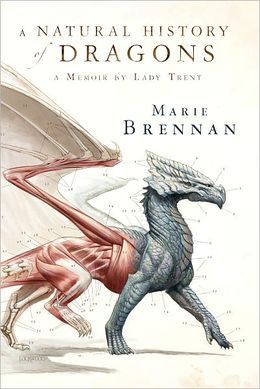
12974372Book: “A Natural History of Dragons”by Marie Brennan
Publishing Info: Tor Books, February 2013

Where Did I Get this Book: audiobook from the library!

Book Description: Tor Books, February 2013

Book Description: All the world, from Scirland to the farthest reaches of Eriga, know Isabella, Lady Trent, to be the world’s preeminent dragon naturalist. She is the remarkable woman who brought the study of dragons out of the misty shadows of myth and misunderstanding into the clear light of modern science. But before she became the illustrious figure we know today, there was a bookish young woman whose passion for learning, natural history, and, yes, dragons defied the stifling conventions of her day.

Here at last, in her own words, is the true story of a pioneering spirit who risked her reputation, her prospects, and her fragile flesh and bone to satisfy her scientific curiosity; of how she sought true love and happiness despite her lamentable eccentricities; and of her thrilling expedition to the perilous mountains of Vystrana, where she made the first of many historic discoveries that would change the world forever.

Review: When I read “Turning Darkness into Light” a year or so ago, I didn’t realize that it was connected to Marie Brennan’s “Lady Trent” series. It was still an enjoyable read, however, and it inspired me to go back and put the original series on my list. Of course, that now makes reading this series, set quite a bit before “Turning Darkness,” into a very different reading experience than it would have been had I been approaching without any prior knowledge. But, overall, I really enjoyed this read!

Before she was the well-known adventurous, Lady Trent, Lady Isabella was just a young woman with an unladylike interest: dragons. But ever determined, she set out to make a life for herself where she could pursue this unlikely passion as far a a lady of her time could hope for. Instead, she got more than she ever wished for. Finding a marriage of true affection with a liberal minded man who eventually even concedes to allowing her to travel on expeditions alongside her. Never did he suspect that she, herself, would be the one to begin making the most extraordinary discoveries of their time!

This book was both what I expected and very different than I expected. On one hand, it’s kind of your staple historical fantasy story featuring an intrepid lady going and doing what no lady has done before. Lady Trent’s voice was very familiar, if a bit less bland than the likes of Amelia Peabody and Veronica Speedwell. But her story was unique enough to stand alone. For one thing, I appreciate the way the story is grounded in the realities of the “time” for a lady such as herself.

Her marriage is not made from wild romance, but from the practical choice of two individuals with unique interests to team up with another who can appreciate their eccentricities. It was a nice change of pace to read about this type of relationship and how their feelings towards each other change and grow over the years as they are put to different, unexpected tests. Her husband doesn’t simply jump onboard with her wanting to travel the world, but very realistically expresses concern that he will be judged for not protecting his wife as a proper husband should. Of course, he quickly sees reason and realizes that her wants and needs are more important than this judgement, but I appreciated that the challenge of living so far outside the norm was addressed.

The story was a bit slower to get started than I may have liked, but once Lady Isabella actually begins her explorations, I really enjoyed it. Even then, the dragons were much more often an idea or passing fear than ever being very present. This, of course, was part of the mystery of them, but it did leave the pacing of the story itself a bit stilted. Here, mostly, is where it was strange that I had read the companion book before this actual series. Many secrets and truths had been taken as common knowledge in that book, but here Lady Trent had yet to make any of these discoveries. It did add a strange, new layer of intrigue for me, personally, as I spent a lot of time trying to guess how all of these smaller clues would lead to the bigger reveals I knew were coming at some point. Even knowing some of the outcomes, I still wasn’t able to put much together beforehand.

I really liked the narrator for this audiobook, and I highly recommend reading the book that way if you like audiobooks at all. The slower pace and, at points, removed feeling one has from the characters themselves did knock this back a few points in my rating. But I plan on continuing the series and hopefully those aspects will pick up in the next one.

Rating 7: A fun historical fantasy story, if a bit plodding at times.

Reader’s Advisory:

“A Natural History of Dragons” is on these Goodreads lists: “Fantasy of Manners” and “Dragons/Serpents.”

Find “A Natural History of Dragons” at your library using WorldCat!

Book Club Review: “Picnic At Hanging Rock”

34785405._sy475_We are part of a group of librarian friends who have had an ongoing bookclub running for the last several years. Each “season” (we’re nerds) we pick a theme and each of us chooses a book within that theme for us all to read. Our current theme is “Around the World”, in which we each picked a continent and had to match a book that takes place there and/or is written by an author from that continent.
For this blog, we will post a joint review of each book we read for book club. We’ll also post the next book coming up in book club. So feel free to read along with us or use our book selections and questions in your own book club!

Book: “Picnic at Hanging Rock” by Joan Lindsay

Publishing Info: Penguin, 1967

Where Did I Get This Book: I own it.

Continent: Oceania

Book Description: It was a cloudless summer day in the year 1900. Everyone at Appleyard College for Young Ladies agreed it was just right for a picnic at Hanging Rock. After lunch, a group of three girls climbed into the blaze of the afternoon sun, pressing on through the scrub into the shadows of the secluded volcanic outcropping. Farther, higher, until at last they disappeared. They never returned. . . .

Mysterious and subtly erotic, Picnic at Hanging Rock inspired the iconic 1975 film of the same name by Peter Weir. A beguiling landmark of Australian literature, it stands with Shirley Jackson’s We Have Always Lived in the Castle, Daphne du Maurier’s Rebecca, and Jeffrey Eugenides’ The Virgin Suicides as a masterpiece of intrigue.

Kate’s Thoughts

Back when I first got my Netflix account where discs were the main platform, I went through a few months where I would request obscure-ish films that maybe I’d heard of, or maybe I stumbled upon. One of those films was “Picnic At Hanging Rock”, an Australian cult classic. When book club decided that our theme this time around was Continents, I was the only person who wanted to call dibs on a continent. That continent/region was Oceania. I eventually settled on “Picnic at Hanging Rock”, knowing full well it would probably be a controversial read as I’m one of the few people who like a good high strangeness thriller in the group. But did that stop me?

tenor
I’m sure they understood where I was coming from. (source)

Reading “Picnic at Hanging Rock” was a weird and dreamy experience, as author Joan Lindsay has created a story filled with frustrating ambiguity and an ethereal tone. Three star pupils and a chaperone disappear during a picnic in the Australian countryside at a rock formation called Hanging Rock, and while people go searching, mysteries and darkness seem to follow those involved. On its surface the book is a pretty compelling mystery with few answers, though perhaps that’s the point of it. But what struck me more as I was reading it, and this may not even be intentional, is how many themes involving sex, class, colonialism, and nature were just below the surface. In many ways, “Picnic at Hanging Rock” is very of its setting and of its time. The fact that it takes place in an upper class, white boarding school in the middle of the Australian wilderness just screams so many things. Privileged people thinking that nature is their playground, it’s very colonialist and it’s VERY Victorian, so when these women disappear, and most don’t reappear, the shock and disbelief feels very realistic. I’m sure that for these characters, wilderness picnics back in England were very safe, as the terrain and flora and fauna are well known and predictable. But when you apply that complacency to a totally different continent, a continent that is notoriously tricky and dangerous to those who are unfamiliar (or who take it for granted), disaster surely can follow.

On top of that I was deeply intrigued by the various relationships between the characters, and what was said or not said. You have the friendships between the adolescent girls, in particular Sara and Miranda, and how intense they can be (as Sara is deeply dependent on Miranda, so when Miranda goes missing Sara spirals). You have the relationships between the adults and the children, in particular Mrs. Appleyard who seems to loathe all the girls, lest they be wealthy and their families be benefactors. You have the upper class English boy Michael, who is infatuated with Miranda and who has a very macho (homoerotic?) friendship with the lowerclass Australian valet Albert. This was the relationship that was of most interest to me, as Michael doesn’t know shit about the world because of his privilege, and it’s Albert who is almost constantly bailing him out or bringing him back to reality.

And what of the ending? I like ambiguity myself, so I was a-okay with the fact that there are no real answers. At one point Joan Lindsay had a definitive end attached to the story, but was told to leave it out upon publishing. You can find the end if you want definitive answers, but honestly, not knowing, to me, is far more unsettling.

There were a few things that didn’t quite work for me in this book. It’s not a very long book, but it still felt a little extended beyond its means. There was a side plot involving another woman who worked at the school who ends up wanting to leave, and while I understand the point of it, in terms of adding to the tension and the mystery, it felt a little off the beaten path. And while it isn’t surprising, given the time period in which this was written and the setting itself, there was very little mention of the Indigenous Aborigines outside of an ‘abo tracker’ who is sent in to look for the missing girls. A real life tidbit that makes this all the more unsettling is that Hanging Rock is an actual place, its original name Ngannelong (possibly. There may have been a translation issue). It was originally a very important site to the local Aboriginal groups, and now it has basically been overrun by the popularity of this book and film, erasing the importance to the Indigenous people who were there first.

All this said, I mostly enjoyed “Picnic at Hanging Rock”, if only because I found so much hidden beneath the surface. Don’t read this if you want solid answers. But do if you want to be mystified.

Kate’s Rating 7: A dreamy and odd mystery filled with high strangeness and a lot of commentary (be it intentional or not), “Picnic at Hanging Rock”, while a little babbly and in some ways problematic, is still mysterious all these years later.

Book Club Questions

  1. This takes place at the end of the Victorian Era, during which the idea of Nature was very intriguing to Western cultures. What do you think this story was trying to say about human’s relationship to nature?
  2. The Appleyard College for  Young Ladies is an Upper Class attended boarding school in the Australian countryside. Why do you think having it take place at a wealthy boarding school was the choice Lindsay made?
  3. This book was chosen as a representation of Oceania, specifically Australia. Do you think that there was anything about this book that could be uniquely Australian?
  4. What were your thoughts on the relationships between the characters (between the students, between the students in relation to authority figures, friendships, potential romantic relationships – do you think that there were sapphic/romantic/homoerotic elements to this story?)?
  5. What do you think happened to the people who disappeared at Hanging Rock? Doe it matter? Was the ambiguity frustrating for you?
  6. There had at one time been an ending that had a solid answer and conclusion as to what happened to the missing women, but has since been left off of the book as it wasn’t part of the original story as published. Would you want to know what happened? Or do you prefer the open ended end?

Reader’s Advisory

“Picnic at Hanging Rock” is included on the Goodreads lists “Female Authored Weird Fiction”, and “Best Books Set in Australia”.

Find “Picnic at Hanging Rock” at your library using WorldCat, or a local independent bookstore using IndieBound!

Next Book Club Book: “A Thousand Beginnings and Endings” by Ellen Oh and Elise Chapman (eds.).

My Year with Jane Austen: “Emma” [2009]

mv5bmtgxmdc1mzqxmv5bml5banbnxkftztcwmzy0mzuwmw4040._v1_TV Mini Series: “Emma”

Release Year: 2009

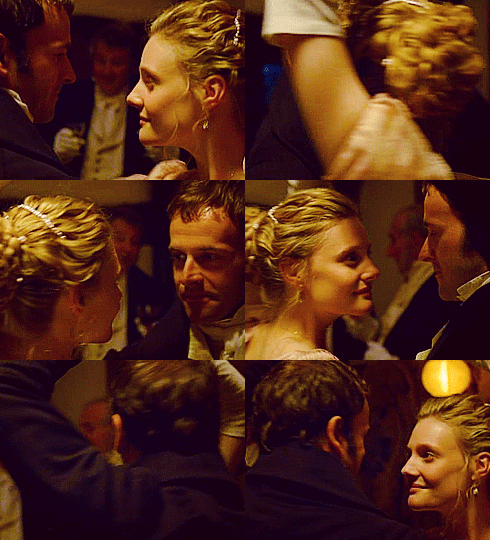
Actors: Emma – Romola Garai

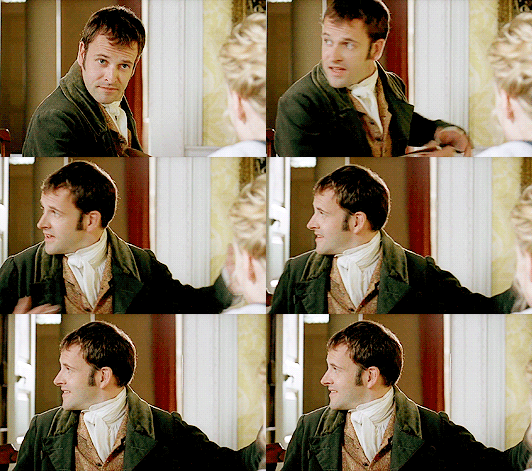
Mr. Knightley – Jonny Lee Miller

Harriet Smith – Louise Dylan

Frank Churchill – Rupert Evans

Comparison – “Indulge your imagination in every possible flight.”

As it is so much longer than the previous version, this mini series was able to do what the 1995 BBC version of “Pride and Prejudice” was able to do for that story. Every  major scene and character is included, and the series doesn’t shy away from adding its own touches here and there which further flesh out side characters like Frank Churchill and Jane Fairfax. The series also plays fairly fast and loose with the dialogue, but overall it retains the spirit of every exchange and there are few instances where these changes stand out.

One of the more major changes from the book is in the framing of the story around Emma, Jane Fairfax and Frank Churchill and how their lives were greatly influenced by the losses they experienced as children. This version of the story devotes quite a bit of time to the story before where the book itself picks up. In this way, we really do see how Emma has always been the center of attention. Unlike the other two children without a parent(s), she stays home. We see that even as a governess, Miss Taylor is bewitched by the charming Emma. And, of course, her father can see no flaws in her. Mr. Knightley is the only one to critique her, and even he admits privately that she’s the most beautiful and smart of her family. The movie also does a lot of groundwork to set the stage for Emma’s matchmaking. This version has Emma claiming to be the influence behind her sister and John’s marriage, a change from the book. So by the time she gets to Miss Taylor and Mr. Weston and has success there, it’s hardly any wonder that she believes herself an expert in this area.

The cast is also superb. There’s not a single misstep in the entirety. If forced to single someone out, I might say that this version of Jane Fairfax leaned very heavily into the reserved portion of her character at the expense of her elegance. In this way, the 1996 version may have come out ahead. The Jane we saw there was undeniably elegant, and it was easy to see why Emma would be threatened by her. This Jane had a tendency to fade into the background and read as more shy than anything else. But other than that small quibble, I really loved everyone who was cast in this. Michael Gambon is probably the standout as far as excellent side characters, and he really helps sell the loving, but dependent, relationship Mr. Woodhouse has for his daughter.

Heroines – “I hate to hear you talk about all women as if they were fine ladies instead of rational creatures.”

Romola Garai’s Emma is very different than Gwyneth Paltrow’s. Where Paltrow’s version was more cool and collected, Garai’s is joyous and exuberant.  This version of Emma seems to ground more of her flaws in youth and actual inexperience with the world and people than in any true character flaws. In many ways, I think this is very accurate to the book. Both there and here, we see a character who has always been the center of every social situation she’s in: family, friends, and the greater neighborhood overall. It’s like Frank Churchill notes later, “she presides over all.” It’s no wonder that this early regard from almost everyone in her life, regard pushed to the point of adoration even, would have this effect on her. We only ever see Mr. Knightley be critical of Emma and her decisions and even he can’t resist pairing his criticism with compliments (to her looks, when he is talking to Mrs. Weston, and to her wit, however misused, when he’s fighting with Emma herself).

Garai’s version of the character definitely pops on the screen, and it’s easy to see how the eyes of all would be drawn to her. She has a much more playful take on Emma’s matchmaking than we’ve seen before, but is still able to capture the more serious moments as well. When she confesses to Harriet, after revealing the truth about Mr. Elton, that she would be lucky to resemble Harriet in any small way, it’s very touching.

I also like all the attention that is given to Emma’s relationship with her father in this version. We see many small moments of the two of them together, with Emma fretting over her father’s scarf and worrying over the brewing conflict between him and John Knightley. I also really liked the way they dealt with the situation about their living arrangements after Emma and Mr. Knightley get engaged. It works both as a comedic scene, with Emma barging into Knightley’s office and declaring they can never marry and rushing out again, and as a serious one, as we can also see the true pain Emma is feeling about the prospect of hurting her father and her refusal to put him through that.

Heroes – “What are men to rocks and mountains?”

I absolutely love Jonny Lee Miller in most everything, and his take on Mr. Knightley is probably one of the strongest selling points for this version of the story for me. I really have zero criticisms for the way he portrays this character. In the book, Mr. Knightley really doesn’t have a lot to do in the first half of the story. He kind of pops in and out, has a big fight with Emma, and then disappears for a good bit until reappearing about halfway through the story. But this version makes good work of including him better in scenes and giving him more lines here and there to keep him ever present in viewers minds.

Miller has great delivery on some of the more comedic lines, like his and Emma’s teasing about the use of carriages. And, of course, he excels in the scenes in which he fights with Emma. This version’s fight over the Harriet/Mr. Martin situation is the most extended of all the versions, and it’s great watching them both shine. And then in the Miss Bates scolding, I love the way he delivers his lines, especially the “badly done.” You can see a marked difference in this fight versus the first. Miller’s able to add a new layer of disappointment and concern that speaks well to the character’s change in perspective to Emma.

I also liked all the scenes they include of Mr. Knightley walking about the countryside, playing in the snow with his nieces and nephews, etc. It’s a good highlight of the type of active, outdoorsman that he is presented as. This version also gives us personal insight into Mr. Knightley’s own thoughts. After the ball scene, we see him imaging Emma in his own home. It’s a good contrast to the two scenes we had before where Emma imagines Mr. Knightley married to Jane Fairfax. It’s great having both scenes with the different insights into their different thoughts and feelings.

The movie also includes several little scenes between Harriet and Mr. Knightley. We see them walking together, sitting next to each other, and talking privately. It all comes across in a very natural way, but then when Harriet brings up her hopes for the future, we, the audience, can see the groundwork lain. And it’s easier to understand Emma’s real concern that Harriet may be a true threat to Emma’s future happiness.

Villains – “I do not want people to be very agreeable, as it saves me the trouble of liking them a great deal.” 

The Frank Churchill of this version leans heavily in on the villainous side of the character. He takes every opportunity to criticize Jane behind her back, commenting to Emma about her hair being ugly and how unlovable a reserved person is. He seems to be criticizing her when he sidehandedly comments about the mistake he made in bring up Dr. Perry’s carriage plans when hardly anyone else knew about it. And the flirtation with Emma is at a peak. At the Box Hill party we see him making more snide comments to Jane, all while being completely overboard with his compliments to Emma, even laying on her lap at one point, a shocking level of familiarity at that time.

He also seems often poor tempered. Whining and complaining about his life to Emma during the strawberry picking, and then, again, being a poor tempered brat at Box Hill. The actor’s take on the character really works well with this interpretation of the character, as he has a bunch of perfect facial expressions that highlight how shallow and spoiled Frank can often be. All in all, it’s hard not to agree with Knightley’s assessment of the situation: that Jane could do much better.

There is an interesting added twist to his character in that we see early in the movie the scene where he is sent away from home after his mother dies. And then towards the end, we see him return to the same spot. It seems to be implying that he holds some bitterness towards his father for sending him away. But the movie just barely brushes on this angle, and even the interpretation I’m making from it is by no means super clear. It’s an odd little track that I wish they had either more fully committed to exploring, in context of the character traits Frank exhibits as an adult, or left out entirely. As it is, it’s a bit weak, and like I said, I don’t feel fully confident that I even understand fully what they were going for.

Romance – “A lady’s imagination is very rapid: it jumps from admiration to love, from love to matrimony in a moment.”

I really, really like what they do with the romance in this version. Like I pointed out in my review of the book, the romantic plotline isn’t really even hinted at until over halfway through the story. So if readers aren’t invested in Emma’s comedy and antics, it can be a bit of a letdown. And in a movie version of the story, it’s even harder to pull of this type of late-game introduction of a romantic storyline.  If not handled right, it can make the romance seen as an afterthought and not properly built to.

Here, however, by giving Mr. Knightley more to do and more lines, the movie is careful to lay a thorough groundwork for the romance throughout. There are at least two instances that I can think of specifically where the movie goes out of its way to show how Mr. Knightley’s actions are often motivated by his feelings for Emma. First, when John and Isabella are visiting and John begins to become snappish with Mr. Woodhouse, the camera cuts to Mr. Knightley’s face and we see him observing Emma becoming more and more distressed. Even though they are still fighting a bit over the Harriet/Mr. Martin thing, it’s clear that Mr. Knightley’ speaks up to redirect his brother in an effort to bring Emma more peace. And secondly, at the ball, we see Emma become increasingly upset as she dances nearby Harriet and witnesses the rudeness of Mr. Elton. Again, the camera cuts to Mr. Knightley and we see his face as he watches Emma becoming more and more upset before he steps forward to aide Harriet. Both of these are very small moments, but they are so important for constantly fixing audiences’ attention on the importance of Emma to Mr. Knightley. And in both instances, Emma expresses thanks for Mr. Knightley’s actions, either in a quiet smile towards him or directly spoken to him.

I also really like the way they film the proposal scene and the moments directly afterward. I would say I wish they had filmed it in a bit less of a sunny location as you can tell both actors are having to squint at each other while talking. But as for the added dialogue and the delivery of lines, I think it’s excellent. Miller has perfect delivery on the “If I loved you less, I could talk about it more” line. And I really liked the added lines they gave Emma for her response to his declaration. As the book doesn’t include these lines, all the movies have to make something up here, and I think they did very well.

I also like the scenes after, the quiet, intimate moments when the two are sitting on a private bench discussing when they realized they loved each other. It has a nice balance of romance and a continuation of the type of friendly teasing that will always be in their relationship. And, of course, we get to see them go on their honeymoon and go to the seaside. The movie does a good job of introducing this fact, that Emma has never been to the seaside, early in the movie and then touching on it here and there throughout. So it’s a neat little button on the movie to end with her and Knightley standing on a cliff side looking out over the ocean.

Comedy – “For what do we live, but to make sport for our neighbors, and laugh at them in our turn?”

Louise Dylan does a fantastic job as Harriet Smith. She perfectly captures the character’s simple beauty and charm, but also her lack of real depth. I love her facial expressions as she’s posing for her portrait and trying to secretly sneak Mr. Elton’s pencil. I also think one of the funniest lines in the entire movie is when she’s trying to work out Mr. Elton’s riddle and when asked by Emma to put the words “ship” and “court” together, she excitedly comes up with “Ship court!” Good stuff.

The Eltons are also always good for a laugh in more of a love-to-hate them sort of way. Mr. Elton’s exuberance early in the movie is overwhelming. And he’s at his peak at the Christmas party where he rudely snaps at one of the servants not to crush Emma’s coat. And then constantly bothers her with questions and, later, literally wedges himself in between her and another guest. You have to wonder if Emma was beginning to question whether Elton would even due for Harriet, let alone herself.

One of Mrs. Elton’s best moments is when she commenting about abhorring being over-trimmed while literally being covered with feathers and ruffles. The movie also does a great just with some quick cuts between characters when Emma is trying to plan the trip to Box Hill. We see how instantaneously Mrs. Elton dominates every social plan to make herself the center of attention. It’s also a nice little karma moment for viewers when we see Mr. Elton struggling to pull along the donkey that Mrs. Elton insisted on riding to strawberry picking. It’s completely ridiculous, but he literally yoked himself to this situation, so…

Fun facts – “Life seems but a quick succession of busy nothings.”

I remember hearing in some commentary or another that the stylists exaggerated Mr. Elton’s puffed up hair do more and more throughout the movie to signify is growing ego and ridiculousness.

Jonny Lee Miller and Blake Ritson (Mr. Elton) had both previously played the same Austen hero, Edmund Bertram, in two different adaptations of “Mansfield Park.” We should have seen them both in those first had I reviewed these in the right order, but alas. I bet everyone can guess who I thought did the character better…

There was a surprise spattering of snow outside the house that was staged as Hartfield one day.  And when the director was notified of it, they rushed cameras down, along with the signature swan that was often shown outside of the house, to capture the view for the winter scenes.

Christina Cole (Mrs. Elton) played Caroline Bingley in “Lost in Austen.” A pretty good fit, I’d say.

Emma is often shown at Hartfield wearing a small watch adornment attached to her dress. This was included to signify that she was the lady of the house.

Best Movie Gif/Meme: “I dearly love a laugh.”

Have I mentioned that I love Jonny Lee Miller’s version of this character? Even in small moments like this, when he’s being exasperated by Emma’s silliness:

And this movie has one of the best Austen dance scenes, as we get to see our two main characters dance together while clearly enjoying each other’s company. It’s also fun because Miller makes several awkward facial expressions throughout that show that he is becoming more and more aware of how in love with Emma he is, even though she’s still obviously clueless.

In two weeks, I’ll review a modern adaptation, “Clueless.”

My Year with Jane Austen – “Emma” [1996]

mv5bn2e1ytuzzdatodq2ys00mwnjlwezmzatzjgwy2m3ztcwotjhxkeyxkfqcgdeqxvynje5mjuyotm40._v1_uy268_cr00182268_al_Movie: “Emma”

Release Year: 1996

Actors: Emma – Gwyneth Paltrow

Mr. Knightley – Jeremy Northam

Harriet Smith – Toni Collette

Frank Churchill – Ewan McGregor

Comparison – “Indulge your imagination in every possible flight.”

This and the 1995 “Pride and Prejudice” were probably my earliest adaptations of Jane Austen books that I watched repeatedly. Since the release of the 2009 version of “Emma,” I’ve preferred that one, but much of that comes down to its longer length and my never-ending love for Johnny Lee Miller. I ultimately still enjoy this version and can appreciate Paltrow’s version of the main character.

The movie definitely stays more true to the book in the first half of the story, covering the Harriet/Elton/Emma love triangle pretty effectively. Once Frank Churchill and Jane Fairfax arrive on the scene, the story diverges more and leaves about a bunch of fairly critical information/scenes that really establish the situation going on there. While effectively changing the way that story line plays out and the fallout of that situation, overall, given the time restraints of this movie, things still seems to come together well enough. If you were going to cut back on a portion of the story, it makes sense that it would be that one. It really does take all of those extra scenes and little side comments from Frank Churchill to establish the full history of between him and Jane and why she would choose to pursue being a governess. There’s no way to really include all of that without either cutting back on Harriet’s story or cutting back on Knightley and Emma, which would be inexcusable.

The movie keeps a few important lines of dialogue, but definitely strays pretty far from adhering to close to the original. More often than not, it will cover similar scenes and topics of conversation but mildly tweak the actual dialogue itself. Most of this works well enough, though I didn’t care as much for this version of the final romantic exchange between Mr. Knightley and Emma. Instead, I appreciated more the added small jokes that the movie threw in between these two characters which I thought worked very well and highlighted the good chemistry between the two actors.

While I still prefer the 2009 version (it’s really just impossible to compete with a version that can devote literally two times more time to the story), I do like this adaptation overall. I don’t have any real complaints with Paltrow’s interpretation of the character or much of what is cut. I also think the music, costuming, and many of the outdoor sets are also excellent and tie well together with the overall tone of the movie.

Heroines – “I hate to hear you talk about all women as if they were fine ladies instead of rational creatures.”

Since this film’s release, Gwyneth Paltrow has developed a certain reputation that often plays against her. I’m not quibbling with that, as she has definitely said and done some things that deserve all the raised eyebrows. But as a performer, I’ve never had a problem with her. And in my opinion she’s pretty perfectly cast as Emma. Even the weirdness of the actress kind of makes sense for a character like Emma!

While she definitely plays Emma a bit more cool than some of the version we’ll see later on,  I do think that this interpretation is pretty close to the book’s description and to what one could expect of a lady of the time in her position. She’s polite and proper for the most part, but we do see small breaks that show that she’s still a flawed young woman: snapping a bit at Mr. Elton at the Christmas party, deferring performing at the party until Jane is suggested as an alternative, etc.

The movie also includes a bit of inner narration for the character which I think is an interesting and almost necessary aspect to really get at Emma’s inner thoughts and all the flaws in her own reasoning. To make up for where this tactic doesn’t work, the movie adds in more talks between Emma and Mrs. Weston that further elaborate. Emma confesses to Mrs. Weston the mess she made of the Elton/Harriet situation, swears off matchmaking, and then promptly begins wondering aloud who would be right for Harriet. She also confesses her realization about her own feelings for Mr. Knightley to Mrs. Weston later in the movie. Here, in something that I think is unique to this adaptation, we see Mrs. Weston give Emma instructions that exactly match what Emma had told Harriet to do with regards to Harriet’s love life earlier. It’s a nice touch that highlights just how much of Emma’s true wisdom came from Mrs. Weston originally, as we see in this later exchange that these instructions must have been things she had said before to Emma.

I also liked the way that Emma experiences the fall-out of her cruelty to Miss Bates. The event itself is made pretty heart-wrenching with Miss Bates commenting that she must be pretty intolerable for an old friend to say something like that. Mrs. Weston shoots her many disapproving looks. And, of course, the lecture from Mr. Knightley is harsh, and we see Emma immediately break down under the crushing disappointment of her friend. To make matters worse, in this version, Miss Bates refuses to see Emma the next day when Emma attempts to visit to make up for things.

I also really like Toni Collette’s version of Harriet. She’s immensely likable, and it’s impossible not to feel for her as she suffers from Emma’s nonsense. Another interesting change in her storyline is that Emma thinks up Harriet and Frank as a couple before the interaction with the gypsies. I’m not sure exactly why they changed this, as it seems much more random this way. Though we don’t hear any dialogue, I like that we see a small snippet of Emma having to confess to Harriet that she has yet again become the object of love of the man Harriet has been pining for. We see Harriet run from the room and it really help it hit home how hard this would have been for both Harriet and Emma.  To balance this out, I really like that we get an additional scene, later, where Harriet herself tells Emma about her new engagement to Robert Martin, and the two make up. It’s a bit more happy and seems to set up a future of friendship between the two than the more distanced ending in the book, but I don’t mind the change.

Heroes – “What are men to rocks and mountains?”

Jeremy Northam definitely brings his own take to the character of Mr. Knightley. I’m not sure how accurate I feel it is to the book version, however. Not that this is a huge complaint, as I think the version he brings works well with the overall tone of this movie. He’s much more teasing and laughing than the more generally serious Knightley we see in the book. The movie adds a number of additional quips and jokes between Emma and Knightley, and I think the chemistry between the two actors works well to establish this type of familiar, teasing friendship. Northam has a great way of laughing with his eyes whenever the camera cuts to him after one of Emma’s more silly moments. It’s a nice way of seeing him “in” on some of Emma’s plans that probably go unnoticed by most of the other people around them. Even their fight over Harriet and Robert Martin is more light-hearted than what we see in the book, with a few of the more heated exchanges getting broken up with humor.

The age difference thing was pretty weird, however. The movie goes out of its way to include a very specific line about how these two are 16 years apart in age, but this age discrepancy doesn’t hold true at all when actually looking at the characters involved. I’m not sure why they chose to even include this line as it wasn’t necessary in any way to the story they were telling and just threw me out of things since it seemed so glaringly inaccurate with the casting.

Villains – “I do not want people to be very agreeable, as it saves me the trouble of liking them a great deal.” 

I guess we’ll throw Frank Churchill in this section, though I think one of the bigger changes this movie makes is in really scaling back his storyline and making him much less “villainous” than he was in the book. For one, when he goes to confess to Emma in the first half of the movie, he ends up being interrupted and the way it is played makes it seem much more like he was actually planning on telling her the truth about him and Jane.

From there on out, he’s much less flirtatious with Emma than the version in the book. And he’s also much less cruel to Jane, both in secret jokes with Emma and in public. The Dixon joke goes nowhere, and we never see Emma and Frank put Jane on the spot over this. They don’t fight at the strawberry picking. Frank doesn’t flirt obnoxiously with Emma at Box Hill, instead spending his time distracting Mrs. Elton from her persistent haranguing of Jane about her future as a governess. And then due to all of this, Jane never takes the extreme step of actually reaching out to an employer and making plans for her future down that path. In the end, this leaves much of the harm from the Frank/Jane secret fairly toothless. Emma rants for a bit to Mrs. Weston about Frank’s being lucky that she wasn’t more attached, but from what we saw, Frank’s behavior to her wasn’t that extreme to begin with. All told, he gets off with much less criticism (particularly from Mr. Knightley) and behaves better here than he does in the book.

Ewan McGregor’s performance is solid, and he has a way of making his charm slightly sleazy at the same time, which immediately sets him apart from ever being considered a true love interest for Emma. He gets an opportunity to sing, as well, which is always a bonus!

Romance – “A lady’s imagination is very rapid: it jumps from admiration to love, from love to matrimony in a moment.”

The romance is nice enough in this movie. I think it plays second fiddle to much of the comedy, however. Even Emma and Mr. Knightley’s relationship plays better in their teasing friendship stage than the actual romance itself. There’s this weird running commentary of them being like brother and sister and then not actually brother and sister that I just found off-putting. I don’t need the mental image of them being like siblings ever introduced in the equation, even if they set it aside later. Just leave it be.

The dance scene is also a bit of a let-down. The dance they used in particular had Northam needing to prance about a bit more than is becoming. And the way it is filmed is never very intimate, undercutting what is usually one of the more romantic (or at least important) scenes in any Austen story. The camera stays at a distance for much of it, and while I get the symbolism of Knightley and Emma always coming together and then moving apart, it didn’t really hit home the way other dance scenes in other Austen adaptations have.

Lastly, the proposal/love confession scene at the end of the movie. I liked the awkwardness at the lead up and the way Emma shuts him down only to catch him back up and continue the conversation. The movie does include the pivotal “if I loved you less maybe I could about it more” line, but this is one of the few moments where Northam’s winking smile undercuts the sincerity of the line that makes it really hit home. They also had to add in more lines to make up for the fact that Austen never actually wrote a response for Emma. It’s ok, but I wouldn’t list this scene as the best original writing in the movie, which is too bad.

Comedy – “For what do we live, but to make sport for our neighbors, and laugh at them in our turn?”

Miss Bates is quite good in this version. She adds a few tics, like shouting random words at her elderly mother, and continuously interrupting herself to fetch napkins, that really work well. She doesn’t have tons of screen time, but she works well with what she has and sets the character up well enough that the viewer really feels the cruelty in Emma’s throwaway comment at her about talking too much.

Unfortunately, Mr. Woodhouse has even less screen time so much of his humor is drastically cut back. They still include the cake moment in the beginning of the movie, which is always funny. But for much of the rest of the movie he kind of fades into the background.

Instead, the Eltons, both Mr. and Mrs., really hold the spotlight on the comedy side of things. This version of Mr. Elton really leans in to the ridiculousness of the character. He’s not made out to be very handsome or charming at all, something that the character is noted as being in the book as Knightley comments that Elton won’t waste these advantages in marriage. One almost feels sorry for any potential future Harriet would have with this version of the character. His pestering of Emma at the Christmas party is quite funny. And his cruelty towards Harriet at the ball is equally harsh.

Mrs. Elton is pretty great all around. Her constant interrupting of Mr. Elton really cements the unfortunate future he has ahead of him with this woman he deemed better than the sweet Harriet. She doesn’t have tons of screen time, so we miss some of her good moments from the book, but the movie does what it can. Instead of having her lord her position as a new bride over the ball, the movie shows various characters spotting the Eltons coming and making quick escapes, another glance into the future these two have before them. She also gets the only break of the third wall in the entire film when she speaks directly to the camera/audience, criticizing Emma’s wedding for having a deplorable lack of satin.

Fun facts – “Life seems but a quick succession of busy nothings.”

The same dance used for Emma and Mr. Knightley is also used in the 1995 version of “Pride and Prejudice” for Mr. Darcy and Elizabeth. We see much less of it here, of course. I will say that I think it was much better suited for the latter film. The rather stuffy, overly regal tone of the dance fit better with Elizabeth’s perceptions of Darcy at the time. And the less intimate style of dance also suited the awkwardness of that situation for those two characters at that point in the story. In this story, the dance between Emma and Mr. Knightley should be one of the first overtly romantic moments we see. And, if nothing else, we should have a style of dance that highlights the close relationship these two already have, not something that distances them.

Mrs. Bates and Miss Bates are real life mother and daughter, though it was just chance that they were both cast. They are also mother and sister to Emma Thompson, so yet another Austen adaptation with some connection to that actress (the third)!

Ewan McGregor regretted being in this movie. It’s not super clear why, but he disliked his performance and noted that the atrocious wig was definitely not doing him any favors.

Best Movie Gif/Meme: “I dearly love a laugh.”

Mr. Knightley’s line here is “Try not to shoot my dogs.” This is part of the scene where they’re fighting over Harriet’s future and her turning down Robert Martin. It’s a nice example of the teasing approach to the character that Northam has.

In two weeks, I’ll review the 2009 version of “Emma”

My Year with Jane Austen: “Emma” Part II

6969Book: “Emma”

Publication Year: 1815

Book Description: Emma Woodhouse is one of Austen’s most captivating and vivid characters. Beautiful, spoilt, vain and irrepressibly witty, Emma organizes the lives of the inhabitants of her sleepy little village and plays matchmaker with devastating effect.

Note: Yes, this is out of order. I blame the quarantine and general craziness of watching over a one-year-old, but I finished reading “Emma” about a week or two ago, and only then realized that I had skipped “Mansfield Park.” I probably could have banged “Mansfield Park” out in this last week, but I didn’t want to rush my read of that rather hefty book. And then when I would finally get to “Emma,” around July, I’d be several months removed from my actual read through. So, I think this is better than doggedly sticking to my original order. It is what it is!

Part II – Volume 2, Chapters 11 – End

Story – “The person, be it gentleman or lady, who has not pleasure in a good novel, must be intolerably stupid.”

Frank Churchill is called back to his ill aunt, leaving the entire neighborhood bereft. Before he leaves, however, he visits Emma and seems to be on the cusp of some great confession. He doesn’t get it out, but Emma assumes it was a profession of love. She believes she must be in love, too; how could she not be?

Soon enough, however, a new distraction arrives in the return of Mr. Elton with a new bride. Mrs. Elton soon makes a poor impression on Emma, coming across as snobby, full-of-herself and, especially bad, overly familiar with Mr. Knightley, calling him “Knightley” after only one meeting. Mrs. Elton soon cools towards Emma, too, and between herself and Mr. Elton, the two become quite unpleasant neighbors, though Emma puts on a good face about it. For a new companion, Mrs. Elton takes Jane Fairfax under her wing, eagerly hoping to help with Jane’s need to look for a governess position soon. Jane attempts to dissuade her, but Mrs. Elton is persistent.

Frank’s aunt decides to take up residence much closer to Highbury, so he becomes a much more frequent visitor of the neighborhood. Emma finds, on his return, that she didn’t seem to miss him much at all and must not have really loved him. He, too, seems to be less in love, though the two still enjoy joking around with one another. Frank, Emma, and the Westons arrange to have a ball in the town center. It’s a fancy affair and everyone arrives decked out, though Frank comments negatively on Jane’s looks.

Early in the dance, while most people are paired up already, Mr. Elton rudely and publicly snubs Harriet who is still sitting alone without someone to dance with. Mr. Knightley arrives and asks her to dance, pleasing Emma to see her friend so happy. Later, she admits to Mr. Knightley that she was wrong about Mr. Elton, and Mr. Knightley concedes that Harriet has some first rate qualities that the new Mrs. Elton with without. The two dance together.

A while later, the neighborhood is thrown into confusion when Harriet and her friend are set upon by gypsies while walking. Frank arrives in the nick of time and whisks Harriet back to Hartfield. Emma believes she may see a spark between the two after this incident. Later, when she and Harriet are talking, Harriet confesses that she no longer plans to marry and Emma guesses to her that it may be because the man she prefers is so far above her. Harriet confesses that it is true. Emma reassures her that unequal marriages happen all the time and its no wonder Harriet fell for him after he rescued her like that. Harriet goes on about her feelings at the moment, though both she and Emma agree not to name the gentleman in question so there are no mistakes this time around.

As the summer progresses, there are many opportunities for the group to gather together. They all go to Mr. Knightley’s home one summer day do pick strawberries; even Mr. Woodhouse is convinced to come and Mr. Knightley makes great effort to make sure he is comfortable. Mrs. Elton continues to hound Jane about her future as a governess, and in a quiet moment, Emma catches Jane sneaking away. Jane begs her to let her go on her own and claims that she is emotionally exhausted. Emma helps her and worries about her health. Soon after Jane leaves, Frank Churchill arrives in a poor temper, saying his life is a series of frustrations and he will soon leave the country. Emma convinces him to come on a trip to Box Hill that they are all are taking.

The trip is immediately a poor affair. It is hot and everyone seems to be in bad moods. After wandering around, they all sit down for a picnic lunch though no one seems to talk much. Frank and Emma try to carry the conversation with Frank becoming more and more exuberant and ridiculous, prodding Emma that she must find him a wife who is just like her. Emma thinks of Harriet. Jane pipes up that it is hard to truly know someone on short acquaintances, and Frank seems put out. He insists everyone play a game in which they must say something clever, two things sort of clever, or three things dull indeed. Miss Bates says she will succeed easily as she always says dull things. Emma laughingly says that the struggle will be only saying three at one time. This hits with a thud. Everyone gradually wanders away. As Emma is walking, she is caught up by an angry Mr. Knightley. He berates her for being so cruel to Miss Bates and says it was badly done. Emma feels the truth of his words, but he walks away before she has time to apologize.

The next day, Emma gets up early to call on Miss Bates in an attempt to apologize and start to behave better by her. When she gets there, she meets with Miss Bates but Jane refuses to see her. Miss Bates says that Jane has accepted a governess position, taking them all by surprise, though Jane seems very sad about it. Upon returning home, Emma meets with Mr. Knightley who is just taking his leave. He is told about her trip to the Bates’ and seems to know what she was about. He says that he is leaving on a substantial trip to London. Emma is saddened to see him go.

Over the next few weeks, Emma tries to befriend Jane but is turned away at every attempt. Eventually, news comes that Frank’s aunt has passed away. Soon after, Emma is called to the Westons for urgent news. It turns out that Frank and Jane have been secretly engaged since before either of them came to Highury. Mrs. Weston is beside herself, worrying that Emma was in love with Frank and knowing that that is what she and her husband had been wanting. Emma is hurt and confused by Frank’s behavior, but reassures Mrs. Weston that she never loved Frank. She understands, now, why Jane avoided her, however, seeing as Frank flirted with her constantly in front of Jane.

Emma goes to Harriet, feeling the awful weight of having to deliver the bad news once again that the man Harriet loves is with someone else. But Harriet seems unaffected! Emma soon learns that she was again, mistaken: Harriet never meant Frank Churhill when she spoke of being in love, she meant Mr. Knightly. They go over all the details of their confusion, and Emma sees how she, again, misinterpreted things. Harriet feels confident that Mr. Knightley returns her affections and Emma admits that he is the last man who would ever intentionally lead someone on. The entire affair makes one thing blatantly clear: she, Emma Woodhouse, is in love with Mr. Knightley.

Wretched, Emma returns home. A few days later, Mr. Knightley arrives at Hartfield. He and Emma walk about the house and Mr. Knightley hurries to reassure Emma that Frank is a scoundrel who never deserved her. Emma confesses that while Frank did use her to continue his scheme of hiding his relationship with Jane, she was never in love with him. Mr. Knightley says that he is jealous of Frank in a way, that Frank’s secret is known. Emma cuts him off quickly, not wanting to hear his confession of love for Harriet. Shortly after, however, she feels what she has done and rushes to tell Mr. Knightley that he can say anything to her, as her friend. Mr. Knightley says he doesn’t want to be just friends and asks if he has a chance with her? Emma realizes that she was mistaken once again, and the two confess their love for each other.

Eventually all is settled. Harriet, again heart broken, manages to find love for a third time with Mr. Martin and the two are married. Mr. Knightley, knowing Emma cannot leave her father who depends on her so much, decides to move into Hartfield after they marry. John and Isabella come to stay with Mr. Woodhouse and give Emma and Mr. Knightley the chance to go on a honeymoon to the seaside.

Heroines – “I hate to hear you talk about all women as if they were fine ladies instead of rational creatures.”

I think what really sells Emma to the most readers, something that Austen didn’t put enough stock into when she worried people wouldn’t like her heroine, is just how much page time is devoted to her feelings of regret, sorrow, and duty. She makes mistakes, huge ones and small, but it can be argued that she pays equally high prices for those mistakes.

In her misleading of Harriet, she ends up in a situation where Harriet sees a future for herself with the very man Emma now knows she loves. And the book spends pages really exploring how Emma realizes all of the little mistakes and steps that she took that lead to this situation. But on top of her regrets, there are even better small moments, like a line detailing Emma’s inner thoughts about how she had no right to crush or criticize Harriet’s dreams of a life with Mr. Knightley. Emma recognizes that it was she who formed this friendship with Harriet, she who encouraged attachment and the trust Harriet now puts in her sharing these deep secrets. Emma has no right to smack her down, and so she stays quiet and says what needs to be said: that she will support Harriet and that Mr. Knightley would never lead any woman on.

We also see Emma pay the price of her foolishness with Frank Churchhil. Delayed, yes, but she does try to form a friendship with Jane and gets no where. Once the truth comes out, she sees the part she played in Jane’s ongoing torment and deeply regrets her behavior. She admits to Mr. Knightley that it is her own behavior more than anything that pains her when she thinks back on that entire situation.

And, of course, the Miss Bates situation. Unlike Mr. Knightley, we see how immediate is Emma’s reaction to his words. She not only recognizes how right he is in this situation but sees how easily she has given way to selfish neglect of Miss Bates in the past. The scene where Emma visits Miss Bates the next morning is awkward and uncomfortable, but we see a reformed Emma who is willing to pay that price to begin again on the right foot.

Beyond all of these moments where we see Emma confront her own inner demons, there is plenty of opportunity given throughout the series to appreciate her innate good qualities. Any and every interaction between Emma and her father shows just how good-hearted Emma can be. She does sacrifice much of the independence and fun that many young women in her position would crave to make sure her father is comfortable and happy. She recognizes her own power in his life, either as a force of good or evil. And she always chooses the good, arranging his evenings to be quiet and comfortable and not pushing him too much as far as her own social plans go. And, obviously, in the end we see just how far she is willing to take this. She fully expects to only be engaged to Mr. Knightley for many years. It never crosses her mind to leave her father, and instead she is ready to put off the biggest happiness of her life, marriage to her true love, in an effort to keep him happy and comfortable while he lives.

Heroes – “What are men to rocks and mountains?”

We see a lot more of Mr. Knightley in general in this second half. And not only does it feel like he’s around more often, but he has some pretty great moments. Rescuing Harriet at the ball, of course, serves as a pretty major lynchpin in the following romantic confusion. He has some excellent lines with regards to Mrs. Elton, effectively putting her in her place when he refuses to let her invite whomever she wants to his house for strawberry picking, noting that only “Mrs. Knightley” will have the privilege of doing that. And he’s the only one to pick up on the weirdness between Frank Churchill and Jane. He even goes so far as to warn Emma about what he suspects, though she laughs him off. You’d think that after admitting to Mr. Knightley himself that he saw things in Mr. Elton that she didn’t, she might be more open to his maybe cluing in on things she isn’t. But, again, she really has no reason to suspect anything like this, what with Frank’s unnecessarily rude comments about Jane’s hair and such.

The only thing he gets wrong is Emma’s regard for Frank, and you can hardly blame him for that given the two of them and their behavior. But it’s funny to see how much of Mr. Knightley’s opinion of Frank depends on Emma’s opinion of Frank:

He found [Emma] agitated and low. – Frank Churchill was a villain.- He hear her to declare that she had never loved him. Frank Churchill’s character was not desperate. – She was his own Emma, by hand and word, when they returned to the house; and if he could have thought of Frank Churchill them, hi might have deemed him a very good sort of fellow.

Villains – “I do not want people to be very agreeable, as it saves me the trouble of liking them a great deal.” 

Frank Churchill is the closest thing to a villain in this second half of the story. As Mr. Knightley rightly points out, he treats everyone poorly and then everyone is eager to forgive and forget. He is lucky that Emma didn’t fall in love with him, what with his constant flirtations. And for what? He by no means needed to have another object of interest to deflect attention from his engagement to Jane. It’s pretty clear that no one would have put those pieces together (except, obviously, Mr. Knightley).

What’s more, we’re meant to think that he truly loves Jane. And yet, he continually goes out of his way to hurt her by his behavior. Some of it to her face and some of it behind. Talking badly about her appearance to Emma? Why?? For no obvious reason other than his poor character. And then, again, flirting continuously with Emma. He’s at his worst at the picnic at Box Hill, but it’s pretty bad the entire time. Getting Emma to tease Jane alongside him and everything. He really doesn’t deserve Jane, who, other than the questionable decision of being in a secret engagement, really does seem like a nice woman. All of it throws back to Mr. Knightley’s original assessment of Frank: that any man who knows what is right but chooses not to do it is not a man to be admired. Mr. Knightley says this in context of Frank not visiting the new Mrs. Weston, but it applies here, too. Of the two, Jane is the one who suffers more for their secret engagement. And at least half of her torment is due to Frank’s own, intentional behavior. It’s no way to treat someone you claim to love.

Even in the end, with his apologies to Emma, it seems clear that Frank is only half-heartedly feeling the true weight of his poor behavior. He’s still quick with a joke and seems barely able to remain serious long enough to get the basic words out.

Romance – “A lady’s imagination is very rapid: it jumps from admiration to love, from love to matrimony in a moment.

I have a note in my Kindle that flags the first real signs of romance in this book, and it comes about two thirds into the story in the second chapter of the third volume. It’s certainly another example of how “Emma” differentiates itself from Austen’s prior novels. Emma herself, as we’ve discussed, is very different than the other heroines. And here we see how much of a back burner the romance plays in this story to the comedy itself. Of course, once it comes it’s immensely gratifying, but again…two thirds of the way through. And even then, it’s Emma admiring Mr. Knightley’s fine figure at the ball and still placing him right aside Frank Churchill as being uncomparable in the room.

It’s kind of an odd thing, but having talked to many “Emma” fans, both of the book and of the various film adaptations, two scenes often stand out between Emma and Mr. Knightley and they both involve the two fighting. Or at the very least, Mr. Knightley scolding Emma. The first, of course, is the fight over Harriet’s future in the first half. And the second is Mr. Knightley’s lecture to Emma about her bad behavior at Box Hill. Let these instance note that for centuries now, people have found romance in this kind of “enemies to lovers” story. Obviously, Mr. Knightley is never Emma’s enemy, but why do people always comment on his “badly done, Emma” as such a notable, almost romantic line? It’s an interesting thing, I’ll say that.

Readers are too sauvy to ever buy into the whole Mr. Knightley/Harriet thing like Emma does. But Austen does do a good amount of work to lay groundwork for why Harriet might think what she does. And really, the entire reason she thinks these things is due to Emma herself. Not only the obvious line about unequal marriages, but the entire way she essentially trained Harriet to look for romance. During the Elton situation, Emma raised even the smallest interaction to heights of importance that of course Harriet would adapt this same method for evaluating all men’s actions. Simple conversations suddenly mean interest. Small moments of kindness mean true love. This all goes to say, that Emma is right when she says she only has herself to blame for the Harriet situation, even if she was more hands off in this second round.

But, of course, it all turns out well. The scene between Mr. Knightley and Emma is everything one could want. We see personal growth on Emma’s side when she catches herself being selfish and turning away from hearing Mr. Knightley. We see how long Mr. Knightley has struggled against his feelings for Emma, going back to the very beginning of the book when he was criticizing Emma, even if he wasn’t aware of it at the time. And we see Emma finally be wrong for one last time, but in the best way possible.

And, ultimately, I don’t think there’s another Austen hero that pulls off as romantic a gesture as Knightley does here. Moving in to Emma’s house for her. Giving up large portions of his own independence, something he has had probably for the last 18 years of life. Now, to live in another man’s house and a man who is by no means the easiest person to live with. And all for Emma. I mean, Darcy’s got some moves, but in all practical senses, I think Mr. Knightley has him beat with this one.

Comedy – “For what do we live, but to make sport for our neighbors, and laugh at them in our turn?”

Mrs. Elton could also be in the villains category, such as it is. But I think she fits better in comedy in that she really has very little power to inflict real harm on people, unlike Frank Churchill. Instead, her jabs and barbs are more of a nuisance to most than any real threat. Emma, herself, feels very little other than annoyance that Mrs. Elton doesn’t like her. And it seems that by the end of the book, that even Mrs. Elton herself sees the writing on the wall with regards to her dwindling power over those around her. Mr. Knightley proves he won’t be bullied by her on his own, and the combined forces of the Knightleys and Woodhouses once they are married will be more than enough to quell any further major maneuverings by Mrs. Elton.

Because Emma is so secure from Mrs. Elton’s attempts to make her unhappy, Mrs. Elton instead comes off as the kind of non-threatening character who is made all the more fun for being so unlikable. One does feel bad for poor Jane, and it does serve as another example of Emma’s failings in that respect. But Mrs. Elton on a whole is pretty funny. All of her fancy-schmancy mannerisms, her false humility, her assurance that she is the most fashionable, the most influential. Good stuff.

Favorite quotes – “What did she say? Just what she ought, of course. A lady always does.”

The classic favorite line, of course. But I think this is also proof that besides the fact that she wrote romances, Austen seemed to struggle the most writing the actual romantic dialogue. There’s really very little in many of the books, if you actually look for spoken lines specifically.

“If I loved you less, I might be able to talk about it more.”

Emma is redeemed largely by how much time Austen devoted to her really feeling the weight of her actions, both in the Miss Bates situation and with Harriet’s love for Mr. Knightley.

With insufferable vanity had she believed herself in the secret of every body’s feelings; with unpardonable arrogance proposed to arrange every body’s destiny. She was proved to have been universally mistaken; and she had not quite done nothing – for she had done mischief. She had brought evil on Harriet, on herself, and she too much feared, on Mr. Knightley.

And a small line, but one that I found extremely funny this read through:

Mr. Knightley seemed to be trying not to smile; and succeeded without difficulty, upon Mrs. Elton’s beginning to talk to him.

Final thoughts – “I declare after all there is no enjoyment like reading!”

I’ve always loved “Emma.” Perhaps less romantic than some of the others, I think the balance of comedy and romance plays perfectly. The fact that Emma has more to her life than her love interest (in fact, he’s a literal afterthought!) is a perk for modern audiences. And I think the personal growth she experiences and her original flaws make her all the more relatable to many readers.

While Mr. Knightley is by no means the most overtly romantic of Austen’s heroes (Darcy has the brooding and grand gestures, Captain Wentworth has that letter), he’s the kind of romantic lead that always appeals to me. I always love the friends-to-lovers storyline, and he has the rare ability to somehow make lecturing sexy.

There are also very few “villainous” characters in this story. The Eltons are more just nonsensical than anything, and Frank Churchill’s wrongs are quickly gotten over, for better or worse. As I’ve discussed previously, Emma herself causes the most actual harm to poor Harriet. Harriet not only loses a year of a presumably happy life as Robert Martin’s wife, but also spends much of that year caught up in foolish ploys followed by crushing disappointments. The fact that their friendship wanes in the end of the book is definitely best for both of them. And while Mr. Knightley may not have been completely wrong when he said they’d both do each other harm, he wasn’t far off base either.

I’m excited to get into the movie adaptations of this movie. From my general memory, “Emma” is the book that has the most versions that I generally liked. So we’ll see if that holds true in the coming weeks!

In two weeks, I’ll review the 1996 version of “Emma.” 

Kate’s Review: “The Silence of Bones”

44280973Book: “The Silence of Bones” by June Hur

Publishing Info: Feiwel & Friends, April 2020

Where Did I Get This Book: I own it.

Book Description: I have a mouth, but I mustn’t speak;
Ears, but I mustn’t hear;
Eyes, but I mustn’t see.

1800, Joseon (Korea). Homesick and orphaned sixteen-year-old Seol is living out the ancient curse: “May you live in interesting times.” Indentured to the police bureau, she’s been tasked with assisting a well-respected young inspector with the investigation into the politically charged murder of a noblewoman.

As they delve deeper into the dead woman’s secrets, Seol forms an unlikely bond of friendship with the inspector. But her loyalty is tested when he becomes the prime suspect, and Seol may be the only one capable of discovering what truly happened on the night of the murder.

But in a land where silence and obedience are valued above all else, curiosity can be deadly.

June Hur’s elegant and haunting debut The Silence of Bones is a bloody tale perfect for fans of Kerri Maniscalco and Renée Ahdieh.

Review: Book buying is my version of retail therapy, so you can imagine that lately I’ve been doing a lot of it. While I mostly decide to get print books I can hold from local booksellers, on occasion I will snag something for my Kindle, to save space on my physical shelf and to get some instant gratification as well. “The Silence of Bones” was that kind of scenario, as I had heard of it on and off various book circles online and was interested to check it out and just have it at the ready. I finally dove in over the weekend as chaos and unrest overtook the Twin Cities, needing moments of escape to a completely different place. 19th Century Korea seemed like the perfect place to visit, so “The Silence of Bones” by June Hur was the right book to pick up.

What struck me most is the time and place of this YA mystery thriller. While you can find oodles of historical mysteries that take place in the U.S., or Europe, or other Western cultures, I’m not as aware of the genre branching out to other parts of the world that often. That very well just may be my own levels of exposure to such things, but because of this “The Silence of Bones” felt incredibly unique to me. I know so little about Korean history that I felt like I was learning a lot as I was following Seol as she tried to solve a series of murders as she works as an indentured servant for the police. The descriptions of the urban settings and rural settings alike were vibrant and detailed, and I felt like I could picture the places in my mind and got a good sense for how the society was structured. June Hur clearly did her research, and it really paid off. I especially liked the way that geopolitics of the time entered into it, with hints and whispers of Western Influences starting to move in no matter how local Governments try to stamp them out, sometimes in extreme and violent ways. The sense of impending threat from Catholicism, and the actions taken towards Catholics and other Western traditions, was a very fascinating angle to throw into this story, as knowing what we know about Imperialism in that part of the world now (and other parts not addressed in this book) there was a lot of nuance to parse through.

I also just really liked Seol as a protagonist and the mystery at hand. Seol definitely felt like a sixteen year old girl, even though she was living in incredibly difficult and different circumstances than one sees for sixteen girls in YA today. Her story addresses indentured servitude, the oppression of lower classes, misogyny, and trauma, and her perseverance (and at times stubbornness) was really satisfying to read. Being taken from her home and losing everything to go serve as an indentured servant is quite the backstory, and I really liked it. She sometimes makes mistakes and jumps to conclusions, which makes her all the more real and complex, but overall you can’t help but really want her to figure out what is going on, especially when she begins to find herself in danger. The mystery of who killed a local noblewoman is very well crafted, and Hur throws in a lot of twists and turns that keep the reader wondering and on their toes. There is also the mystery of what is up with Seol’s boss, Inspector Han, who Seol is drawn to and forms a friendship with before he becomes a suspect in the mystery. Han feels like he is steeped in a lot of greys, and I was genuinely on the edge of my seat wondering if Seol’s faith in him is unfounded. By the time everything comes together, you can trace how it does so and it is done seamlessly.

“The Silence of Bones” is a unique and thrilling mystery, and if you like historical mysteries I cannot recommend it enough!

Rating 7: A unique and fascinating historical mystery in a not as seen setting, “The Silence of Bones” has a lot to offer to fans of YA mysteries!

Reader’s Advisory:

“The Silence of Bones” is included on the Goodreads lists “Historical Fiction: Korea”, and “2020 YA/MG Books with POC Leads”.

Find “The Silence of Bones” at your library using WorldCat, or a local independent bookstore using IndieBound!