
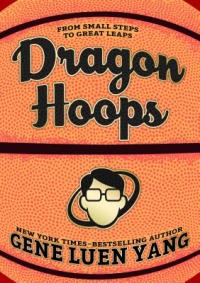
 Book: “Dragon Hoops” by Gene Luen Yang
Publishing Info: First Second, March 2020
Where Did I Get This Book: The library!
Book Description: In his latest graphic novel, New York Times bestselling author Gene Luen Yang turns the spotlight on his life, his family, and the high school where he teaches.
Gene understands stories—comic book stories, in particular. Big action. Bigger thrills. And the hero always wins.
But Gene doesn’t get sports. As a kid, his friends called him “Stick” and every basketball game he played ended in pain. He lost interest in basketball long ago, but at the high school where he now teaches, it’s all anyone can talk about. The men’s varsity team, the Dragons, is having a phenomenal season that’s been decades in the making. Each victory brings them closer to their ultimate goal: the California State Championships.
Once Gene gets to know these young all-stars, he realizes that their story is just as thrilling as anything he’s seen on a comic book page. He knows he has to follow this epic to its end. What he doesn’t know yet is that this season is not only going to change the Dragons’s lives, but his own life as well.
Review: Though I’m not really a huge sports fan in general, if you asked me what my least favorite ‘mainstream’ sport to watch was, I’d undoubtedly say basketball. I can’t even tell you why that is, but I’ve never enjoyed it, even when I was playing on the basketball team in sixth grade. But given that Gene Luen Yang is one of my favorite comics writers, I knew that I was going to read his newest book “Dragon Hoops”, even if it was about basketball. Looking into it more, I realized that this wasn’t going to be a book that was just about basketball. And because of that, I was immediately hooked on this story that’s part memoir, part history, and part inspirational sports story.
We follow Yang as he’s following his school’s basketball team in it’s journey to hopefully win State, and he finds a lot of layers and depth and heart to put on display. While he could have had a structure that was purely factual, or perhaps a story that profiles just one player, or even a story that focuses on a coach’s deferred dreams that are possibly going to come true, he manages to take aspects of all these things and balance them into a combination. We get profiles of the various members of the team, from the players themselves and their varied backgrounds, to Coach Lou and his own personal connection as a former player, to Yang himself as he is thinking about his own dreams. I really enjoyed getting the context of the various team members, but I thought that Yang putting his own story in there was a nice touch, as it shows that even those who don’t have a specific sports connection can find commonality with these inspirational, and sometimes difficult, sports stories that we hear about ever so often. He uses devices and symbolism that repeats throughout the story, and it almost always landed. Yang has always been really good at showing the deeper meaning of what he’s trying to say without outright saying it, and it comes through in this non fiction story just as well as it does in his fictional stories. I also really enjoyed Yang’s way of toying with the fourth wall, as he would have have himself in comic form acknowledge things that were being done for story telling purposes, as well as toying with the other characters perceptions of things that were going on or had gone on. While the action of the basketball games still kind of lagged on the page for me, I do acknowledge that Yang really captured the action and the tension of the moments as the Dragons are trying to get to State.
But ironically enough, it was the introductions to each section which focused on different parts of the history of basketball that clicked with me the most. Yang would give us a pretty easy to follow but comprehensive moment of history of the game, and that moment would then provide context or connect with the focus on that chapter, which was usually another member of the team or support system. I’m a history buff to be sure, and the way that Yang grounded his story within the context of this history was really well done. Plus, it all connects to the fact that Coach Lou, after his dreams of basketball success ended prematurely, decided to focus his education on history because he knows that history can inform us in the present. LOVED that, and it’s exactly the kind of theme I would expect from Yang.
And, of course, I love Yang’s style of artwork. It’s definitely a bit cartoony, but that doesn’t make it any less resonant or emotional when it needs to be. There were multiple moments where the emotions being portrayed were so well done both in writing and in imagery that I was moved to tears. Yang’s style is unique and well known at this point, but it always works.

“Dragon Hoops” is another triumph for Gene Luen Yang! And if you’re hesitant to read it because of the basketball thing, take it from me. It’s absolutely worth it.
Rating 8: A charming graphic novel about basketball dreams, and dreams of doing something great, “Dragon Hoops” is a personal and emotional story from one of my favorite comics writers.
Reader’s Advisory:
“Dragon Hoops” is included on the Goodreads lists “Project LIT”, and “Asian American Pacific Islander Heritage Month Book List”.
Find “Dragon Hoops” at your library using WorldCat, or a local independent bookstore using IndieBound!

 Book: “The Dollhouse Family” by Mike Carey, Peter Gross (Ill.), and Vince Locke (Ill.)
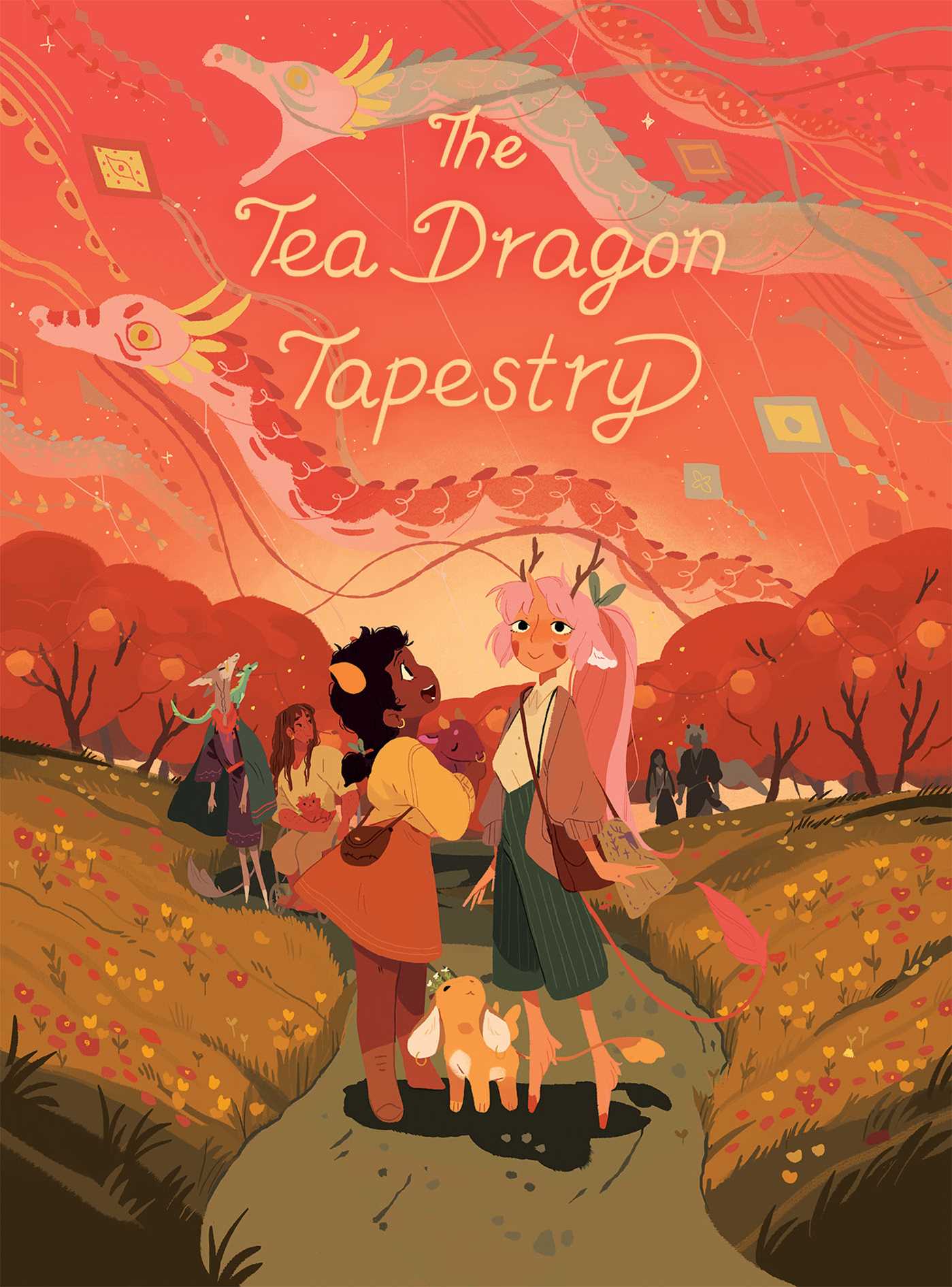 Book: “The Tea Dragon Tapestry” by Katie O’Neill
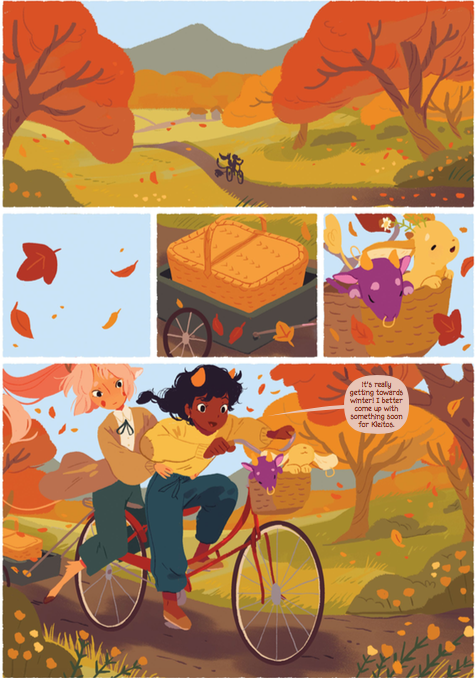
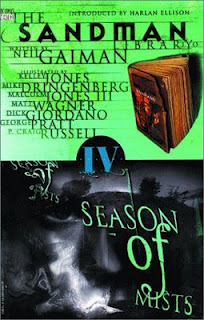 Book: “The Sandman (Vol.4): Season of Mists” by Neil Gaiman, Matt Wagner (Ill.), George Pratt (Ill.), Dick Giordano (Ill.), Kelley Jones (Ill.), P. Craig Russell (Ill.), Mike Dringenberg (Ill.), & Malcolm Jones III (Ill.).


 Book: “Basketful of Heads” by Joe Hill and Leomacs (Ill.)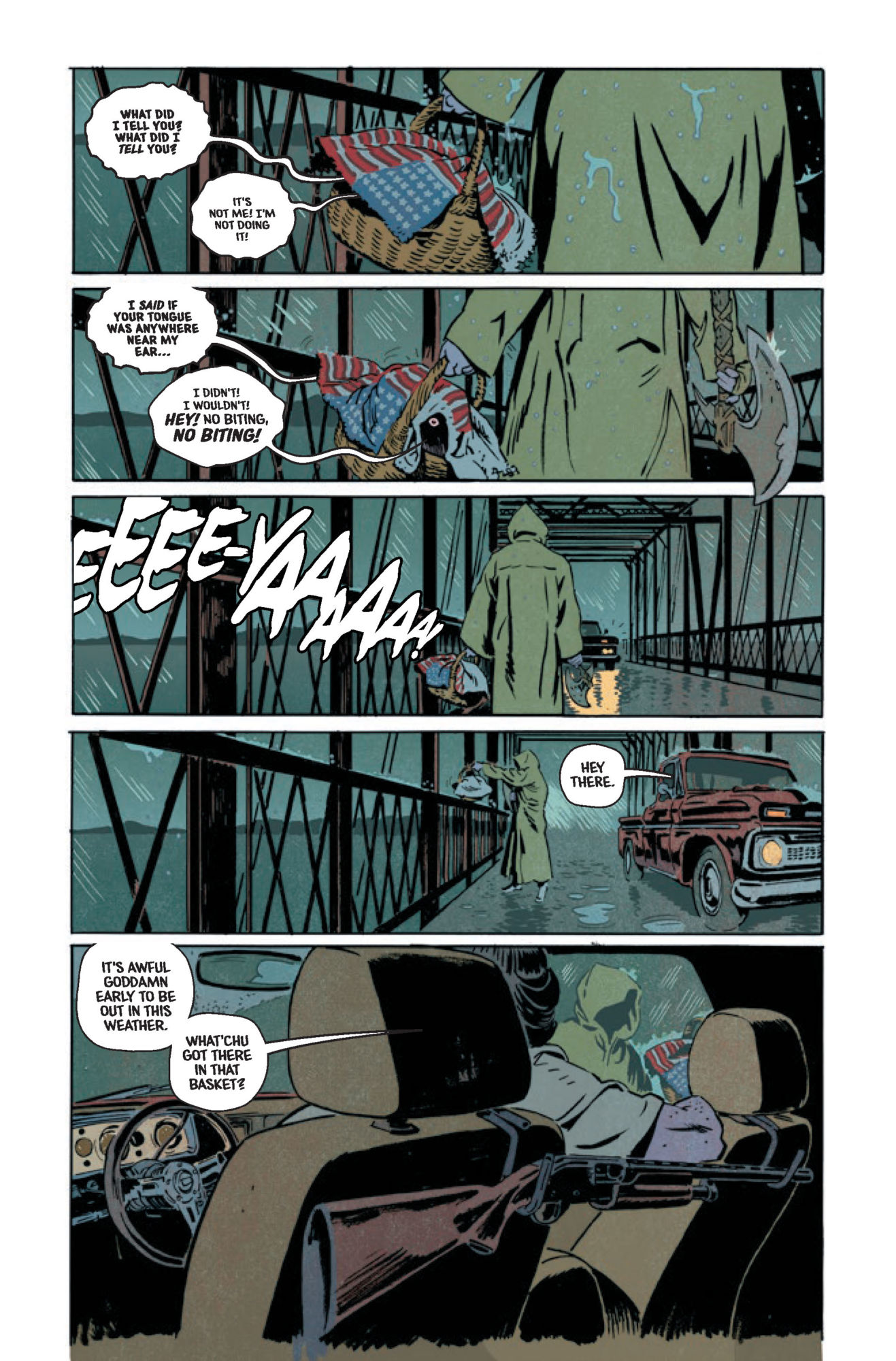
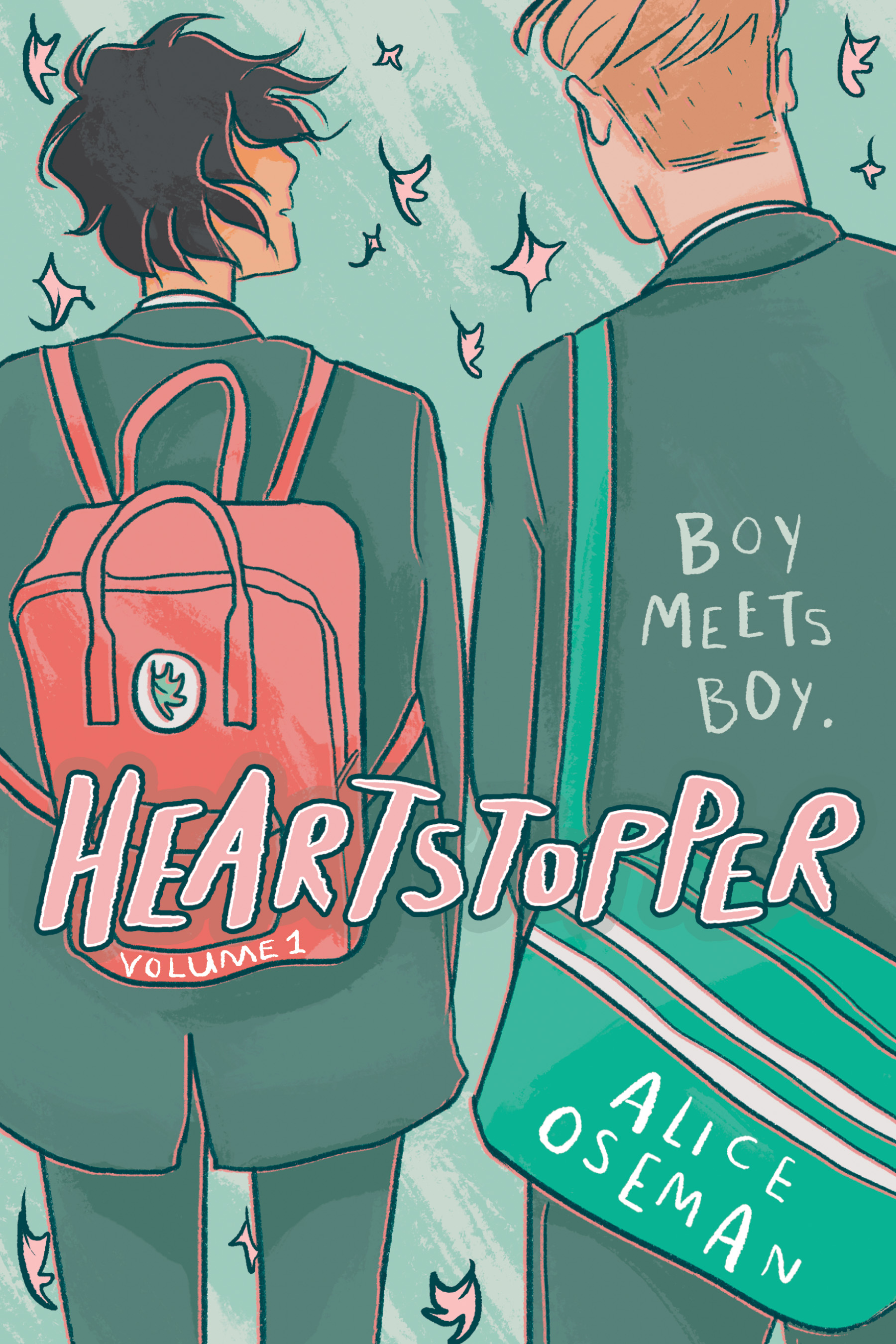 Book: “Heartstopper (Vol.1)” by Alice Oseman
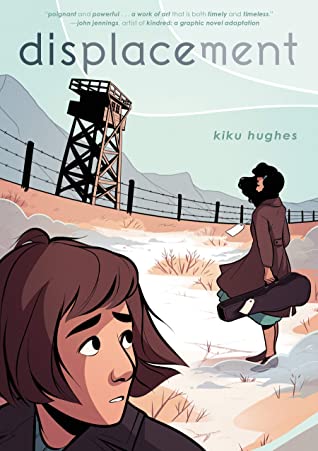 Book: “Displacement” by Kiku Hughes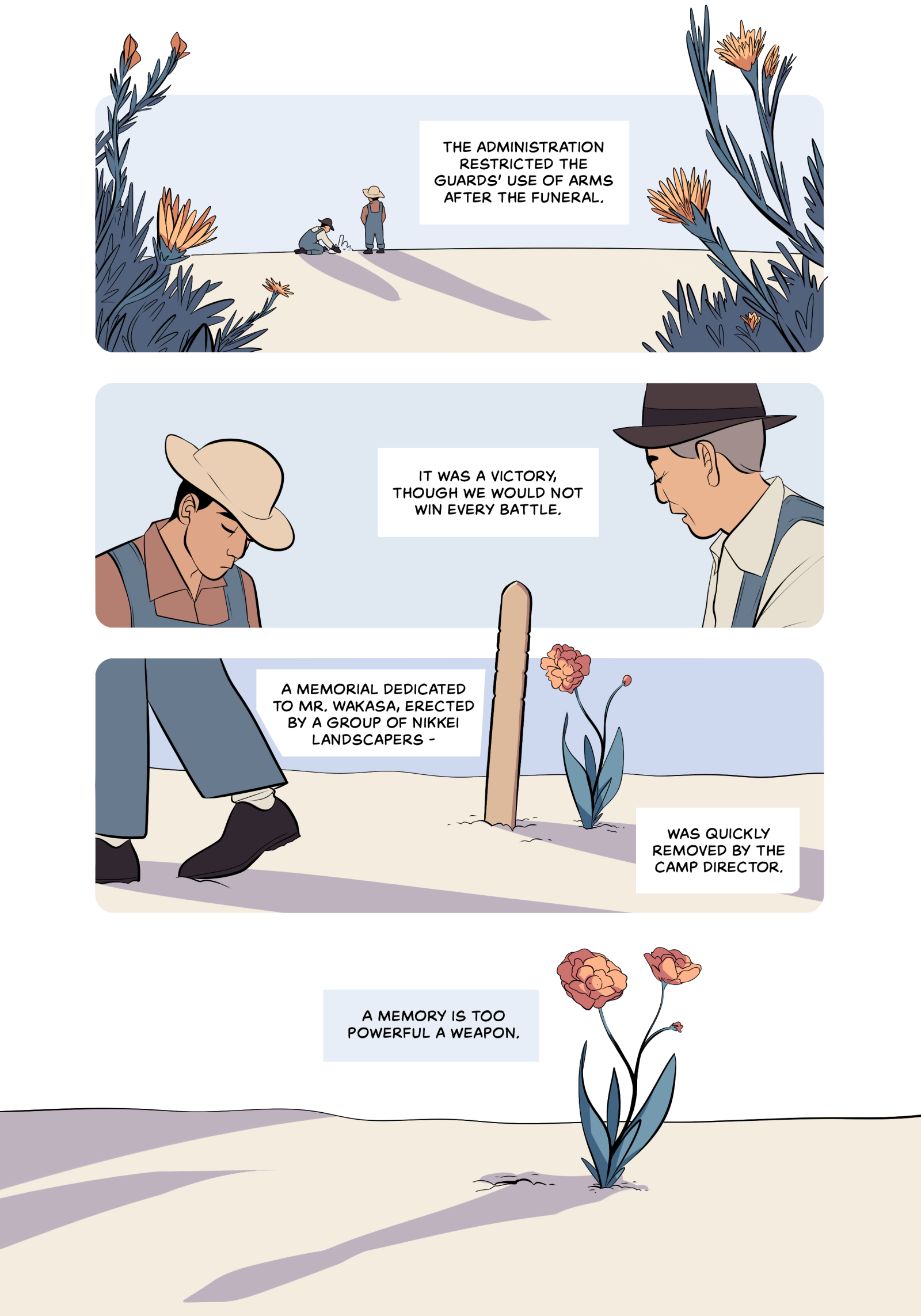
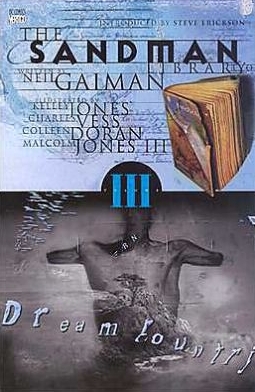 Book: “The Sandman (Vol.3): Dream Country” by Neil Gaiman, Kelley Jones (Ill.), Charles Vell (Ill.), Colleen Doran (Ill.), and Malcolm Jones (Ill.)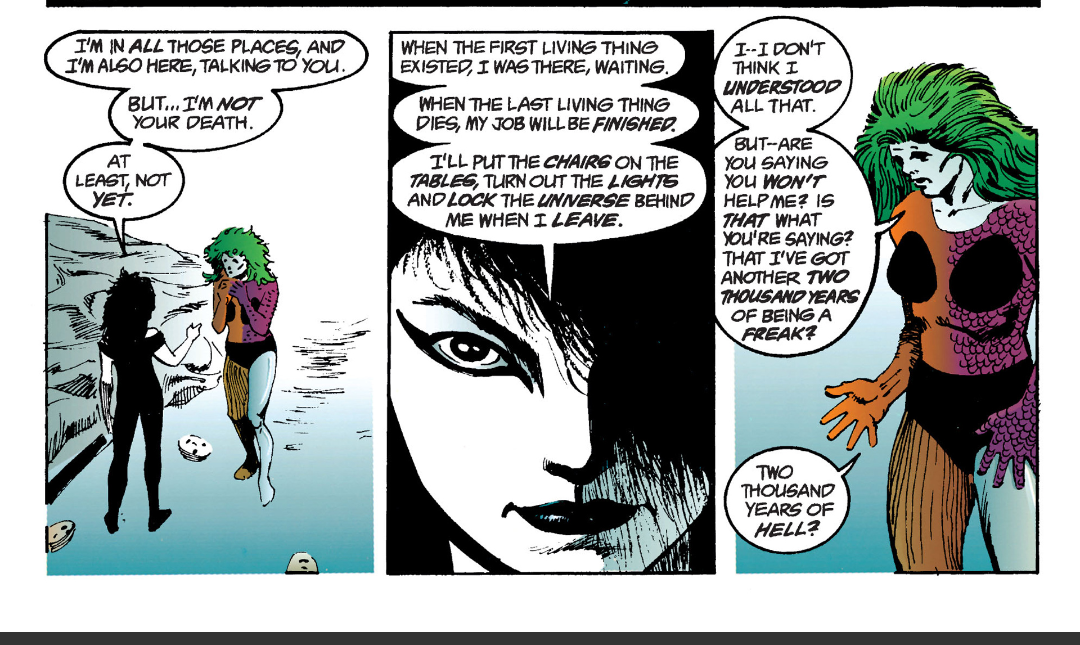
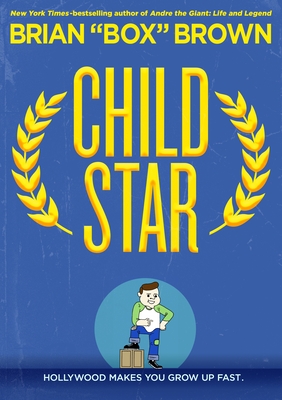 Book: “Child Star” by Box Brown
 The Library Ladies