Kate’s Review: “House of Hunger”

This post may contain affiliate links for books we recommend.  Read the full disclosure here.
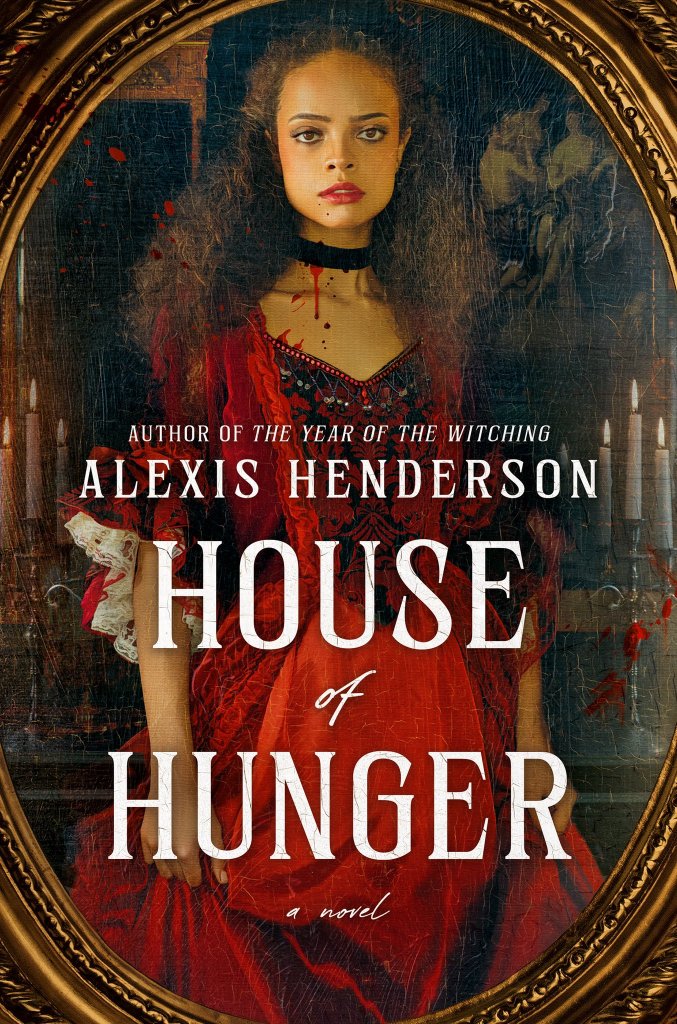
Book: “House of Hunger” by Alexis Henderson

Publishing Info: Ace, September 2022

Where Did I Get This Book: I received an eARC from NetGalley.

Where You Can Get This Book: WorldCat | Amazon | Indiebound

Book Description: A young woman is drawn into the upper echelons of a society where blood is power, in this dark and enthralling gothic novel from the author of The Year of the Witching. Marion Shaw has been raised in the slums, where want and deprivation is all she knows. Despite longing to leave the city and its miseries, she has no real hope of escape until the day she spots a peculiar listing in the newspaper, seeking a bloodmaid.

Though she knows little about the far north–where wealthy nobles live in luxury and drink the blood of those in their service–Marion applies to the position. In a matter of days, she finds herself the newest bloodmaid at the notorious House of Hunger. There, Marion is swept into a world of dark debauchery–and at the center of it all is her.

Countess Lisavet, who presides over this hedonistic court, is loved and feared in equal measure. She takes a special interest in Marion. Lisavet is magnetic, and Marion is eager to please her new mistress. But when her fellow bloodmaids begin to go missing in the night, Marion is thrust into a vicious game of cat and mouse. She’ll need to learn the rules of her new home–and fast–or its halls will soon become her grave.

Review: Thank you to NetGalley for providing me with an eARC of this novel!

Alexis Henderson’s debut novel “The Year of the Witching” was my favorite book in 2020. Her unique and dark witchcraft story really connected with me, as Henderson took familiar witch themes and turned them into broader commentaries on identity, groupthink, and fanaticism, and hell yes did it work for me. It’s probably no shock that when I heard she was writing a new book I was very excited. And when I read the description of “House of Hunger”, and realized that it was going to be Henderson’s take on vampires, my excitement went that much higher. I’m very particular about vampire stories, as I’ve mentioned before, but I had high hopes and full trust in Henderson.

This book is just awesome. It’s a fascinating deconstruction and reworking of a typical vampire story, and it also delves into the always complicated themes of class and privilege from our society and applies them to a fantasy world that is well conceived and interesting. Henderson’s world of the North and the South has a great set up and some fantastic world building, and I had a solid feel for the world that the story is set in. The nobles of the north who take on the bloodmaids are never referred to as vampires, per se, though there are plenty of hints that this is kind of what we are working with here: they live in a part of the world that has longer nights than the area that our protagonist Marion comes from, for one. There is the very obvious aspect of the blood drinking, and the harkening back to Lisvet’s ‘illness’ (probably extreme hemophilia) and how she needs blood to survive. And there is also the aristocratic lives that the nobles live, a theme that has been connected to vampire lore from the early days of the genre. I liked that Henderson opted to not go full vampire in the story, as it makes Lisvet and the other nobles of the houses more mysterious and seductive, and gives the story more room to explore the mythology of the world at hand. And we slowly get to see the tension and threat build, going at a pace that makes not only Marion, but also the reader, in a ‘frog in the pot of boiling water’ situation, unaware of the actual threat at hand until it is far, far too late. There are so many unsettling aspects of this story in terms of horror, and once it builds to some of the bigger reveals it jumps off the page and is solidly scary, scary stuff.

Speaking of Marion, I really liked her as our protagonist, as she is so many shades of grey and incredibly multi-faceted as a character. She is the perfect way to explore the other themes of the upper class exploiting the lower classes out of the sheer desperation that the have nots experience. When we meet Marion she is living in poverty with a sick and abusive brother, working under a cruel mistress at a backbreaking job with nothing to show for it. Of course the temptation of escape to live in the opulence of being a bloodmaid is going to tempt her! Sure, you have to give your mistress your blood, but in exchange Marion gets pampering, glamorous housing, all the delicious food she can eat, and then the attention of Lisvet, who makes her feel special and extraordinary. Marion is desperate, but she’s also ambitious, and Henderson definitely delves into darker areas with her character as she sees things that are questionable, but opts to explain them away as she loves her new life as a bloodmaid and the perks that it seems to have. And oh the metaphors of a wealthy elite like Lisvet literally drinking the blood from a lower class girl with few options like Marion and her other bloodmaid companions! I mean, there is a reason that Lisvet’s last name is Bathory, after all. It’s a great commentary on how the haves take the have nots for everything they’re worth, and can make them think that it’s some kind of honor or choice.

“House of Hunger” is a fantastic horror dark fantasy. Alexis Henderson is a horror voice to be paying attention to, as her deconstructions of familiar tropes turn into stories that are so incredibly special and unique. Cannot wait to see what she does next.

Rating 10: Unsettling, suspenseful, and a well done exploration of the haves and have nots, “House of Hunger” is another successful horror novel from Alexis Henderson.

Reader’s Advisory:

“House of Hunger” is included on the Goodreads list “Bathory Books”.

Kate’s Review: “Ghost Eaters”

This post may contain affiliate links for books we recommend.  Read the full disclosure here.

Book: “Ghost Eaters” by Clay McLeod Chapman

Publishing Info: Quirk Books, September 2022

Where Did I Get This Book: I received a print ARC from the publisher at ALAAC22.

Where You Can Get This Book: WorldCat | Amazon | Indiebound

Book Description: From the acclaimed author of The Remaking and Whisper Down the Lane, this terrifying supernatural page-turner will make you think twice about opening doors to the unknown.

Erin hasn’t been able to set a single boundary with her charismatic but reckless college ex-boyfriend, Silas. When he asks her to bail him out of rehab—again—she knows she needs to cut him off. But days after he gets out, Silas turns up dead of an overdose in their hometown of Richmond, Virginia, and Erin’s world falls apart.

Then a friend tells her about Ghost, a new drug that allows users to see the dead. Wanna get haunted? he asks. Grieving and desperate for closure with Silas, Erin agrees to a pill-popping “séance.” But the drug has unfathomable side effects—and once you take it, you can never go back.

Review: Thank you to Quirk Books for giving me an ARC of this book at ALAAC22 (and for Clay McLeod Chapman for signing it!)!

I had a few books that were must grabs at ALAAC22, and “Ghost Eaters” by Clay McLeod Chapman was on that list. I had read his book “Whisper Down the Lane”, and while I enjoyed it, it set off a bunch of my rage triggers regarding Satanic Panic, so I was more angry than scared as I read it. But when I read the description of this book there were no rage triggers to be found, which meant that I anticipated a more chill experience as I read it. Which, uh, wasn’t super correct. Was I rage filled as I read this book? No. Was it super terrifying and therefore it wasn’t exactly ‘chill’? Hell yes.

So the hype about this book being super scary? Accurate! I started reading this book in the evening, and once it became clear just how creepy it was going to be I made the decision to set it down and proceed in the morning. Which ended up being a good decision, because holy CATS, the ghosts in this book are SO disturbing and scary. You kind of get the gamut of things. You get shadows in corners. You get slow moving creepers closing in on Erin, our protagonist, and only she can see them as she takes a drug called “Ghost”, which allows her to do so. You get descriptions of rotting corpses, of spewed up ectoplasm, of ghost babies crawling around like feral animals, you get it all, and it really, REALLY messes with you. Chapman doesn’t hold back in the nightmare fuel department, as we travel through Richmond, Virginia with Erin as she starts seeing more and more ghosts after ingesting a drug that has this explicit purpose. The problem is, she just wanted to see ONE ghost in particular, that of Silas, her ex boyfriend who had a huge emotional hold on her and their friend group. So as more and more ghosts close in and she takes more and more Ghost in hopes of it finally being Silas, the tension builds and builds until it snaps, and boy oh BOY does it snap.

But Chapman doesn’t stop at making this a mere super scary ghost story. He also explores some very real world themes and horrors, namely that of addiction and the whitewashing of history. Addiction is probably the more obvious of the two, and while I think there could have been potential for it to come off as hamfisted or after school special-esque, Chapman always makes it feel earnest and super, super disturbing. Erin’s sadness and grief and loss and guilt drives her to try Ghost in hopes of finding closure with Silas, and she almost immediately spirals as the drug not only catches hold instantaneously, it also makes her a beacon for lost spirits that are drawn to her. But we also get a great foundation for why Erin is feeling this way over a man who was, by all accounts as seen in this story, kind of a selfish asshole, and the empathy he draws for her in her actions and also, somewhat, for him, makes it all the sadder and therefore all the scarier. And while she is terrified of the spirits, and the drug itself causes moments that cost her almost everything, she keeps coming back because of her need to see Silas one more time. It is the perfect metaphor for addiction, and while the ghosts are truly and incredibly scary, so is watching Erin completely wreck her life in the course of days, as well as seeing the other Ghost addicts as they spiral all in hopes of seeing a lost loved one again (a woman whose child died of SIDS was especially heartbreaking). Along with that, Chapman raises some GREAT points about ghost stories and folklore and how they have, in many ways, been whitewashed and in some ways romanticized. “Ghost Eaters” takes place in Richmond, a city that has been around a LONG time and has had a lot of blood spilled, a large part due to atrocities committed against Indigenous people and Black people. So many of the ghosts that Erin sees aren’t the wandering war widow or the little white girl from Antebellum times, but those of POC who died in horrific ways because of racism, Colonialism, and genocidal violence. As I was reading this book I kept thinking of “Ghostland” by Colin Dickey, which has this as a running theme, and LO AND BEHOLD this book was mentioned in the acknowledgements. What an awesome topic to tackle, and Champman does it with ease.

“Ghost Eaters” is a must read this Halloween season. Go get it, tear through it, and make sure you have the lights on.

Rating 9: Raw, profoundly disturbing, and genuinely scary, “Ghost Eaters” is a story that not only has some supremely fucked up ghosts, but also takes on themes like addiction, and which people are represented in traditional ghost stories.

Reader’s Advisory:

“Ghost Eaters” is included on the Goodreads list “Horror to Look Forward To in 2022”.

Kate’s Review: “Malice House”

This post may contain affiliate links for books we recommend.  Read the full disclosure here.

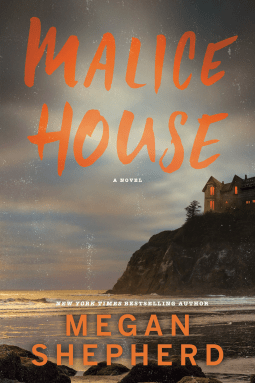
Book: “Malice House” by Megan Shepherd

Publishing Info: Hyperion Avenue, October 2022

Where Did I Get This Book: I received a print ARC from the publisher at ALAAC22.

Where You Can Get This Book: WorldCat | Amazon | Indiebound

Book Description: Of all the things aspiring artist Haven Marbury expected to find while clearing out her late father’s remote seaside house, Bedtime Stories for Monsters was not on the list. This secret handwritten manuscript is disturbingly different from his Pulitzer-winning works: its interweaving short stories crawl with horrific monsters and enigmatic humans that exist somewhere between this world and the next. The stories unsettle but also entice Haven, practically compelling her to illustrate them while she stays in the house that her father warned her was haunted. Clearly just dementia whispering in his ear . . . right?

Reeling from a failed marriage, Haven hopes an illustrated Bedtime Stories can be the lucrative posthumous father-daughter collaboration she desperately needs to jump-start her art career. However, everyone in the nearby vacation town wants a piece of the manuscript: her father’s obsessive literary salon members, the Ink Drinkers; her mysterious yet charming neighbor, who has a tendency toward three a.m. bonfires; a young barista with a literary forgery business; and of course, whoever keeps trying to break into her house. But when a monstrous creature appears under Haven’s bed right as grisly deaths are reported in the nearby woods, she must race to uncover dark, otherworldly family secrets—completely rewriting everything she ever knew about herself in the process.

From New York Times bestselling author Megan Shepherd comes a complex tale of dark magic, family secrets, and monsters that don’t stay on the page.

Review: Thank you to Hyperion Avenue for giving me an ARC at ALAAC22!

It’s October, everyone, and that means that we are officially at the Most Wonderful Time Of The Year in my book: HALLOWEEN SEASON!!! And that also means that it is once again time for Horrorpalooza, in which my focus is on all horror or horror-esque titles for my blog posts through the end of the month! I’m feeling especially good about Halloween this year, as the whole family is vaxxed up, I have a slew of horror content I’m going to devour this month, and my kid is, through no undue influence of mine, FULLY INTO HALLOWEEN! Oh yeah, I’m READY.

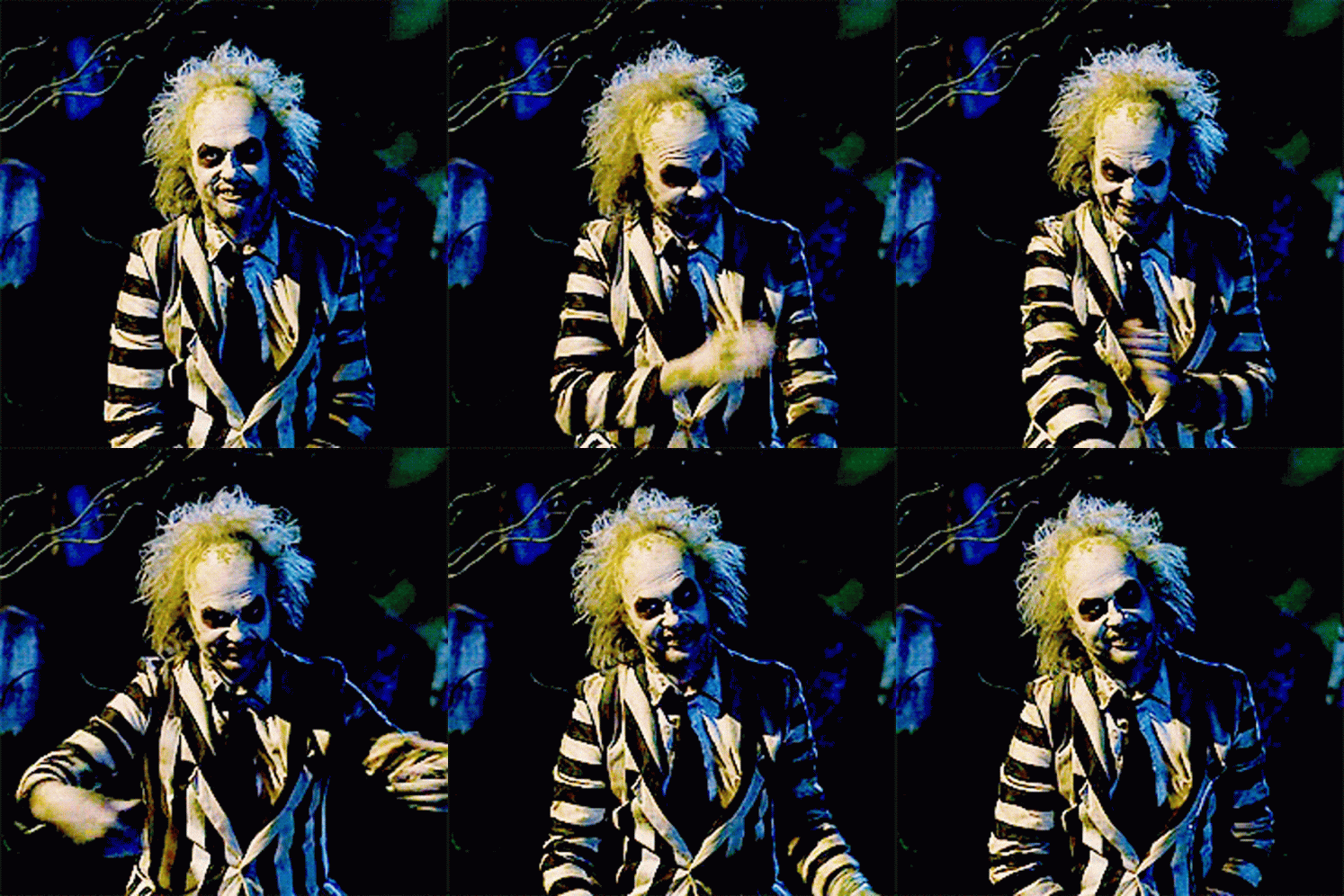
As Betelgeuse says, ‘it’s showtime!’ (source)

And we are kicking off Horrorpalooza 2022 with a title that I have been eagerly awaiting for a long time. I first heard of “Malice House” by Megan Shepherd when Chuck Wendig was tweeting about it in a very positive way. Looking into it, it ticked off a lot of boxes that I love in a book: it’s horror based, it has Gothic elements, and it has a book theme within the narrative. I was super lucky that not only did they have ARCs of it at ALAAC22, but that Megan Shepherd was there signing said ARCs. I let it sit a bit, wanting to get closer to the spooky season before I picked it up, and then once I did, it snared me in almost immediately. It was worth the wait.

“Malice House” is just as much dark fantasy as it is a horror novel, and given that the two genres overlap a fair bit perhaps it’s not so much of a surprise that the combination works well. But Shepherd does a marvelous job of not leaning two much on either genre, while also bringing out the best of them both to create a very suspenseful, scary, and also dreamlike tale of loss, creativity, and the secrets kept within families and from those we love. Haven is our main character, who has returned to her father’s isolated old house after his death, her memories of a strained relationship haunting her as she lives in his famed novelist shadow. Haven is a good mix of deeply complex and somewhat unlikable, but Shepherd gives her the space to be these things without making her feel overdone or cartoonish. We get the sense that she is a bit unreliable, as she hid things from her father before his death, and as she starts to try and make movements regarding the lost manuscript she finds in his home, we start to realize that she’s not the only one with secrets and perhaps darker motivations. From locals who knew her father when he was alive to a mysterious neighbor to a barista who loves her father’s work, Haven has a lot of people who seem to be in her corner, but she soon finds out that, like her, everyone has their secrets. Secrets, isolation, a narrator who may not be reliable, oh how Gothic! And Shepherd really nails that tone.

The horror elements of this book are pretty strong, the dread slowly building up as Haven hears things in the walls, or fixates on tales of the demons that her dementia addled father was seeing as his condition deteriorated. And by the time people around town start dying in gruesome ways that may or may not connect to her father’s books, Haven has already fallen into a nightmare scape where things she thought were hallucinations are perhaps living, breathing threats. The various villains range from pretty run of the mill creature feature fare (a hellhound, a weird lobsterlike creature called ‘Pinchie‘), to far more sinister characters that really got under my skin (no spoilers here, but on in particular known as “Uncle Arnold” is not going to leave me any time soon). And that is what I loved the most about “Malice House”; it is not only a creepy and dreamlike supernatural tale, it is also a story about the power of art, and creativity, and how artistic creations can take on lives of their own that can stun even the creator. And sure, this is probably happening in the worst way imaginable in this book, but I thought it was a really, really nifty facet of this horror story that made me love it all the more.

“Malice House” absolutely lived up to my expectations. The ARC I have mentions that this is the first in a series, though I haven’t seen much additional information about that possibility. If it is, though, I am absolutely aching to see where Megan Shepherd takes Haven and the creatures of Malice House next.

Rating 9: Dark, unnerving, and a love letter to the power that art and stories can have, “Malice House” is a fun and chilling dark fantasy horror tale.

Reader’s Advisory:

“Malice House” isn’t included on any Goodreads lists yet, but I think it would fit in on “Modern Gothic”.

Kate’s Review: “Returning to the Yakoun River”

This post may contain affiliate links for books we recommend.  Read the full disclosure here.

Book: “Returning to the Yakoun River” by Sarah Florence Davidson, Robert Davidson, and Janine Gibbons (Ill.)

Publishing Info: HighWater Press, September 2022

Where Did I Get This Book: I received an eARC from the publisher.

Where You Can Get This Book: WorldCat | HighWater Press| Indiebound

Book Description: Based on author Sara Florence Davidson’s childhood memories, this illustrated story captures the joy and adventure of a Haida fish camp.

Every summer, a Haida girl and her family travel up the Yakoun River on Haida Gwaii, following the salmon. While their father fishes, the girl and her brother spend their time on the land playing and learning from Tsinii (Grandfather).

Review: Thank you to HighWater Press for sending me an eARC of this book!

We are wrapping up this HighWater Press event with a bit of a rarity on this blog. We don’t usually review children’s picture books, for a litany of reasons, and that general rule is one that we rarely stray from. But “I’m making an exception for this event, because goodness knows that “Returning to the Yakoun River” Sarah Florence Davidson is the perfect place to end this series, as it has a focus on generational traditions being shared with children of today, and to me that seemed like a good place to wrap up.

“Returning to the Yakoun River” is a simple story about a Haida girl and her family going fishing on the Yakoun River during the salmon season, and while her father fishes she and the other children spend time with their Tsinii (grandfather) at the fish camp. Throughout this time she learns about how to help set up for the cooking, plays with her cousins and brother on the river, and watches as her Tsinii prepares the salmon that is caught for eating in a traditional way. It’s a very simple story based on memories from Sarah Florence Davidson’s childhood, with memories of her father (who collaborated with her on this) and her grandfather during a visit to the fish camp. It’s a nice slice of life tale that highlights the way that children can learn from their elders, and how traditions from the past change and yet are maintained over the years. Given that Davidson is an educator who has a focus on the importance of intergenerational learning, it’s a simple story that has a lot of heart and a lot to say about these things, while also being tailored specifically for a younger age group. We also have a helpful map of the area where this story takes place, and some background on Davidson’s grandfather, whose role as a leader in the community, artist, and fisherman are laid out to show the reader who the Tsinii is based upon.

And the artwork is just fantastic. I am not certain the medium that Janine Gibbons used for the art, but it looks like some kind of paintwork and it is so lovely and artistic. It also somewhat, to me, conveys the dreaminess of memories in the design and aesthetic.

(source: HighWater Press)

“Returning to the Yakoun River” is a gentle and placid story about intergenerational learning and the importance of passing that learning down through the generations. I really enjoyed it, and found it to be a poignant way to wrap up this month long spotlight on Indigenous voices and stories.

Rating 8: A lovely story about a family respecting and practicing traditions of genertions past, “Returning to the Yakoun River” has a sweet plot and gorgeous illustrations.

Reader’s Advisory:

“Returning to the Yakoun River” isn’t on any Goodreads lists yet, but I think that it would be complementary if you liked “On the Trapline” and would fit in on “Multicultural Children’s Books”.

Kate’s Review: “Motherthing”


This post may contain affiliate links for books we recommend.  
Read the full disclosure here.

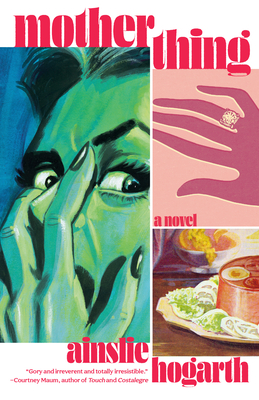
Book: “Motherthing” by Ainslie Hogarth

Publishing Info: Vintage, September 2022

Where Did I Get This Book: I received an eARC from NetGalley.

Where You Can Get This Book: WorldCat | Amazon | Indiebound

Book Description: A darkly funny domestic horror novel about a woman who must take drastic measures to save her husband and herself from the vengeful ghost of her mother-in-law.

When Ralph and Abby Lamb move in with Ralph’s mother, Laura, Abby hopes it’s just what she and her mother-in-law need to finally connect. After a traumatic childhood, Abby is desperate for a mother figure, especially now that she and Ralph are trying to become parents themselves. Abby just has so much love to give—to Ralph, to Laura, and to Mrs. Bondy, her favorite resident at the long-term care home where she works. But Laura isn’t interested in bonding with her daughter-in-law. She’s venomous and cruel, especially to Abby, and life with her is hellish.

When Laura takes her own life, her ghost haunts Abby and Ralph in very different ways: Ralph is plunged into depression, and Abby is terrorized by a force intent on destroying everything she loves. To make matters worse, Mrs. Bondy’s daughter is threatening to move Mrs. Bondy from the home, leaving Abby totally alone. With everything on the line, Abby comes up with a chilling plan that will allow her to keep Mrs. Bondy, rescue Ralph from his tortured mind, and break Laura’s hold on the family for good. All it requires is a little ingenuity, a lot of determination, and a unique recipe for chicken à la king…

Review: Thank you to NetGalley for providing me with an eARC of this novel!

I am very thankful to say that I have a pretty good relationship with my mother in law. I’ve known her since I was a teenager, which probably helps, but she has always been very kind and supportive and has been perfectly fine keeping healthy involvement and boundaries when it comes to the family my husband and I have built. That said, I am always down for some juicy literary drama regarding in laws from hell, and based on the description “Motherthing” by Ainslie Hogarth should have fit the bill. We have a toxic mother in law, a harried wife, and the promise of a funny domestic horror story involving a haunting perpetrated by a terrible woman, with a daughter in law determined to stop it. That is what I thought this book was going to be.

Well. I didn’t think it was most of those things.

We’ll start with the good. It was funny! When we meet our first person protagonist Abby we have a stressed and damaged daughter in law whose mother in law Laura has just killed herself, possibly one last manipulation directed at Abby’s husband Ralph. From the jump it is clear that Abby has a lot of mental and emotional issues, and said issues aren’t just because of Laura. But her stream on consciousness narration is at times incredibly humorous, like laugh out loud so, especially if you are into dark humor. And I also applaud how Hogarth has attempted to tell this story in a unique narrative style, flipping from first person narration, and sometimes to stage directional narration styles, as combined it does get the point across that Abby is becoming more and more unhinged as the story goes, and as she is feeling haunted by her dead mother in law in a literal sense while also being haunted by her neglected childhood and her desire to have a mother figure in her life (as well as have a baby so she can be the perfect mother). All of this worked for me.

What didn’t work for me as much was how everything kind of played out. Unique writing to be sure, but it is also very stilted and very strange. I am sure that it is deliberate and to make the reader feel as disoriented as Abby and to convey her mental state, but I found it aggravating as the story went on, and it felt rather repetitive as well. And to be quite honest, the description of this book makes it sound like we are dealing with a quasi comedic ghost story involving a toxic mother in law and the beleaguered daughter in law who has to play ghostbuster. But instead we get more of an exploration of a woman on the brink of complete mental and emotional breakdown, and boy oh boy does it go to very out there places. I do think that the problem is how it is described as opposed to the actual execution, because if my expectations had been a little more in line with what was presented it possibly would have gone over better. But as it was, I didn’t know what I was getting into and it soured the entire experience. I want to know if something is going to go surreal so I can get in the right mind frame. Going into this thinking it’s a domestic horror comedy isn’t going to manage expectations properly.

“Motherthing” didn’t click for me. If you like weird fiction elements to your horror it may click for you!

Rating 5: While it had some very funny moments, it was a little too weird for me and didn’t really deliver on what it was promising in the description or marketing.

Reader’s Advisory:

“Motherthing” is included on the Goodreads list “Birmingham Feminist Book Club”.

Kate’s Review: “The Raven Mother”

This post may contain affiliate links for books we recommend.  Read the full disclosure here.

Book: “The Raven Mother” by Hetxw’ms Gyetxw (Brett D. Hudson), & Natasha Donovan (Ill.)

Publishing Info: HighWater Press, September 2022

Where Did I Get This Book: I received an eARC from the publisher.

Where You Can Get This Book: WorldCat | HighWater Press | Indiebound

Book Description: Hoarders. Scavengers. Clever foragers. Bringers of new life.

Ravens have many roles, both for the land and in Gitxsan story and song. The sixth book in Hetxw’ms Gyetxw (Brett D. Huson)’s Mothers of Xsan series transports young readers to Northwestern British Columbia, where they will learn about the traditions of the Gitxsan, the lives of ravens, and why these acrobatic flyers are so important to their ecosystem.

Follow along as Nox Gaak, the raven mother, teaches her chicks what they need to survive with the help of her flock.

Review: Thank you to HighWater Press for sending me an eARC of this book!

Maintaining my stereotypical Goth girl at heart aesthetic, I have always been a huge fan of corvids of all types. Living in Minnesota that means that crows are the corvids in my backyard, but when my husband and I went to London for our honeymoon I was DESPERATE to see the Ravens at the Tower (I also bought a stuffed raven that still sits on my nightstand). When my parents went to Alaska a few years ago my Mom sent me pictures of ravens any time she caught one on her camera. So yeah, give me any and all corvid content. THEREFORE, I was particularly interested in “The Raven Mother” by Hetxw’ms Gyetxw (aka Brett D. Hudson) in this HighWater Press series that I’m doing this month. And it didn’t disappoint!

“The Raven Mother” is an educational middle grade book that puts the ecological and cultural significance of ravens in British Columbia, Canada, specifically through the context of the Gitxsan People. The story is pretty straightforward as a mother raven tends to her chicks with the help of the ravens in her community. It’s easy to understand and has a lot of good information that’s presented in a way for the audience that I felt worked really well. We not only get Gitxsan words and language interspersed in the narrative, we also get definitions of those words as well as definitions to relevant words that may be unfamiliar to younger readers. We also get a great introduction to the concept of ecosystems and ecology, with talk of seasonal changes, animal movements and migrations, and the way that animals, specifically ravens, connect to the environment they inhabit, and how that can have an effect on other things within the ecosystem. And seeing it through the seasons of a raven and her babies as they grow and change was definitely a good way for the audience to connect to it. If science was presented in such a way when I was a kid I would have really connected to it more, I think.

I also really loved the historical notes in the back of this book, as they give great context for the Gitxsan People and the areas they inhabited during the time that this book is set. The lists of the seasonal moons and the drawn map of the area where the various four clans were placed were easy to follow and the brief history is easy to understand, as well as forthright about the colonized land and space as it is defined by ‘official’ geography today. Again, it is all very approachable and I would have loved to encounter information presented in such a way when I was the target age for this book. And I really can’t stress enough how important it is to have these voices and perspectives amplified as much as possible.

And I am going to gush about the artwork in this book. I absolutely loved it. I loved the design of the animals, landscapes, and people. I loved the colors and how they pop off the page. I loved the way that everything felt like it flowed and connected across pages. I really really loved everything about it, so major props to Natasha Donovan.

I mean just look at this. GORGEOUS! (source: HighWater Press)

Filled with accessible information about ecosystems and culture, “The Raven Mother” is an enjoyable read that will be a great teaching tool for the target audience. I quite enjoyed reading it and will definitely be sharing it with my own child when she’s older.

Rating 8: An educational story about ecosystems, ravens, food webs, and how they all connect to each other, “The Raven Mother” is some solid middle grade science as well as cultural exploration.

Reader’s Advisory:

“The Raven Mother” isn’t on any Goodreads lists as of yet, but I think it would fit in on “Non-Fiction: Crows and Ravens”.

Kate’s Review: “Daphne”


This post may contain affiliate links for books we recommend.  
Read the full disclosure here.

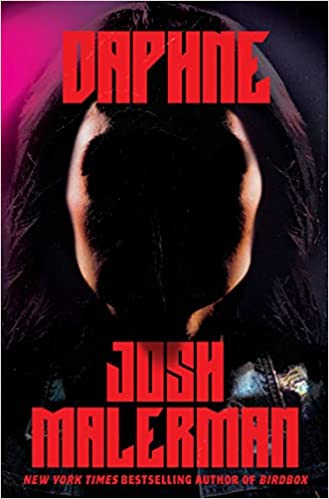
Book: “Daphne” by Josh Malerman

Publishing Info: Del Rey Publications, September 2022

Where Did I Get This Book: I received an eARC from NetGalley.

Where You Can Get This Book: WorldCat | Amazon | Indiebound

Book Description: It’s the last summer for Kit Lamb: The last summer before college. The last summer with her high school basketball team, and with Dana, her best friend. The last summer before her life begins.

But the night before the big game, one of the players tells a ghost story about Daphne, a girl who went to their school many years ago and died under mysterious circumstances. Some say she was murdered, others that she died by her own hand. And some say that Daphne is a murderer herself. They also say that Daphne is still out there, obsessed with revenge, and will appear to kill again anytime someone thinks about her.

After Kit hears the story, her teammates vanish, one by one, and Kit begins to suspect that the stories about Daphne are real . . . and to fear that her own mind is conjuring the killer. Now it’s a race against time as Kit searches for the truth behind the legend and learns to face her own fears—before the summer of her life becomes the last summer of her life.

Mixing a nostalgic coming-of-age story and an instantly iconic female villain with an innovative new vision of classic horror, Daphne is an unforgettable thriller as only Josh Malerman could imagine it.

Review: Thank you to NetGalley for sending me an eARC of this novel!

Let me set the scene. It was 2003. I was a senior in high school. One afternoon in the senior lounge during the school day ‘X period’ (aka a free period where clubs could meet or kids could talk to teachers or you could just dick around for a bit), some other girls and I started talking about Bloody Mary. We decided it would be fun to go to the locker rooms by the gym and play, as it had been FOREVER since we all had. I went with this group of girls, none of whom who were my friends, per se, just classmates whose orbits I generally wasn’t around, but bonded by nostalgia for an urban legend. We turned off the lights, said ‘I believe in Bloody Mary’ three times, and expected nothing of it. So imagine our surprise when there was a loud BANG in the darkness of the locker room. We tore out screaming, only to find out shortly thereafter a gym teacher was tidying up and that was the bang, and we had scared her to death with our terrified shrieks. I kept thinking about this story while I read Josh Malerman’s newest book “Daphne”, a horror novel about an urban legend that slasher kills her way through a high school girls basketball team. Mostly because of the urban legend factor. But also because this deeply disturbing horror novel also touches on the undercurrent left unsaid in this memory: that of teetering between youth, and adulthood, and the things we grapple with in between.

First and foremost, yes, “Daphne” is a very unsettling horror story, and I expected nothing less from Malerman. I’ve enjoyed the other books I’ve read of his, and I think that this one is probably the scariest yet for me. He knows how to slowly build a strangling dread as our cast of characters, a group of high school basketball players with WNBA dreams and interests, are picked off one by one by a brutal urban legend called Daphne after her story is told at a sleepover. We mostly focus on star player Kit, a girl who loves her teammates and the game, but is also plagued by her own struggles with severe anxiety, even before she starts obsessively thinking about Daphne and those around her start dying. Malerman does a fantastic job of slowly pacing the tension in this story so that the reader goes through similar beats as the characters. General unease slowly morphs to gear morphs to genuine dread. The characters find themselves thinking of Daphne, and then she comes for them in truly grotesque, slasher-y ways, and I was basically freaking out every time we got to a kill scene. It’s brutal and very splatter-y, but the tension is top notch psychological suspense to give it more oomph. We slowly start to get the real story behind the urban legend, and we start to care about these characters and invest in them even know we know that terrible things at the hands of this ghost, or monster, or SOMETHING are going to happen to them. It’s unnerving as hell and it really got under my skin. I think that I would have liked a bit more come down at the end, as all the tension has to go somewhere and I didn’t feel like there was enough room for it by the conclusion. But ultimately this book delivers on scares. EVEN THE GODDAMN COVER JUST FUCKS WITH MY HEAD.

But along with the scares is the very relatable undercurrent of Kit’s anxiety, anxiety about not only Daphne, but also of the unknown aspects of life itself. I’m someone who has been grappling with anxiety my entire life, and one of the worst times was in high school because of how much was unknown. I had no idea what life had in store after I left the very familiar life I was leading, with my parents and my friends and my family being left behind. As someone who had panic attacks, a good amount of them in late high school, I really, really related to Kit, and I loved that Malerman wanted to explore her mind even beyond that of a slasher killer’s potential victim, but also a girl who is battling her fears of the unknown as they manifest into panic attacks and buzzing dread without obvious cause. Perhaps it doesn’t get to this level for all teens, but Kit battling her mind to try and keep Daphne out is just as much Kit battling her mind to keep fear itself out. It hit home in a way I wasn’t really expecting, and just felt like it really captured that unease about what comes next when you are about to leave the life you’ve known for eighteen years. And really, the way that Daphne creeps up on you until you can’t stop thinking about her, and then completely wrecks you? That’s anxiety in a nutshell. Daphne crushes her victims, just as anxiety crushes those that it affects.

“Daphne” is going to stay with me awhile. It’s deeply fucked but also bittersweet. And like the titular character, I don’t see myself being able to stop thinking about it for awhile.

Rating 9: Disturbing, unnerving, and in some ways bittersweet, “Daphne” is a horror novel that won’t leave a reader’s thoughts for awhile after reading it.

Reader’s Advisory:

“Daphne” is included on the Goodreads list “Horror to Look Forward to in 2022”.

Kate’s Review: “Pīsim Finds Her Miskanaw” and “Amō’s Sapotawan”

This post may contain affiliate links for books we recommend.  Read the full disclosure here.

Books: “Pīsim Finds Her Miskanaw” and “Amō’s Sapotawan” (The Six Seasons Vol. 1 & 2) by William Dumas, Leonard Paul (Ill.), and Rhian Brynjolson

Publishing Info: HighWater Press, August 2020 (Vol.1) & September 2022 (Vol.2)

Where Did I Get These Books: I received eARCs from the publisher.

Where You Can Get These Books: WorldCat (1) (2) | Portage and Main Press (1) (2) | Indiebound (2)

Book Descriptions:

“Pīsim Finds Her Miskanaw”: In 1993, the remains of a young woman were discovered at Nagami Bay, South Indian Lake, Manitoba. Out of that important archeological discovery came this unique story about a week in the life of Pisim, a young Cree woman, who lived in the Mid 1600s. In the story, created by renowned storyteller William Dumas, Pisim begins to recognize her miskanow – her life’s journey – and to develop her gifts for fulfilling that path. The story is brought to life by the rich imagery of Leonard Paul, and is accompanied by sidebars on Cree language and culture, archaeology and history, maps, songs, and more.

“Amō’s Sapotawan”: Rocky Cree people understand that all children are born with four gifts or talents. When a child is old enough, they decide which gift, or mīthikowisiwin, they will seek to master. With her sapotawan ceremony fast approaching, Amō must choose her mīthikowisiwin. Her sister, Pīsim, became a midwife; others gather medicines or harvest fish. But none of those feel quite right.

Amō has always loved making things. Her uncle can show her how to make nipisiwata, willow baskets. Her grandmother can teach her how to make kwakwāywata, birchbark containers and plates. Her auntie has offered to begin Amō’s apprenticeship in making askihkwak, pottery.

What will Amō’s mīthikowisiwin be? Which skill should she choose? And how will she know what is right for her?

Reviews: Thank you so, so much to Lohit Jagwani from HighWater Press for sending me eARCs of these books!

We are on our second week of my month long HighWater Press Blog Series, and we shift from traditional graphic novel to look at the first two books of a Middle Grade historical fiction series called “The Six Seasons” by storyteller and asiniskaw īthiniw Knowledge Keeper William Dumas. These books are part of a greater project known as the Six Seasons of the Asiniskaw Īthiniwak, which hopes to work towards preserving Indigenous languages and knowledge bases of the Asiniskaw Īthiniwak, or Rocky Cree. Honestly it sounds like a fantastic project (read more HERE), and part of it is this series, with the first two books being “Pīsim Finds Her Miskanaw”, and the second being “Amō’s Sapotawan”. Both books follow teenage girls who are going on journeys of self discovery, while also teaching kids about life and culture of the Rocky Cree before significant European contact.

I’ll start with the first in the series, “Pīsim Finds Her Miskanaw”, which follows a teenage Rocky Cree girl who is learning the ways of becoming a midwife. As her family group an community is preparing to journey to a communal gathering, Pīsim is trying to determine if she has the skills and drive to be a midwife. As the community travels to the Spring Gathering, stories are shared, bonds are strengthened, and Pīsim finds herself having to use her skills and knowledge in an unexpected situation. I really loved watching this young woman connect with those around her and hear the various stories that everyone tells, and how she rises to the task of delivering a baby on her own when she and her uncle and pregnant aunt are separated from the rest of the group during a storm on the water. But what stands out the most in this book (and similarly in “Amō’s Sapotawan”) are the rich and intricate details about all types of aspects of Rocky Cree life and culture. We get translations of various vocabulary, maps of the water that Pīsim and her family are traveling upon for the Spring Gathering, and various facts about life for the Rocky Cree during this time period. I was very, very enthralled by the great information and how detailed it was, and my former historical society employee heart was all aflutter. There is such good information in this book, and it’s incredibly accessible to the audience it is catered towards. I really enjoyed seeing the story of Pīsim come into her own.

“Amō’s Sapotawan” is another story about a young girl, though this time it is in summer and this time we follow Pīsim’s sister Amo. In this story, Amō is a teenager who is trying to decide on her mīthikowisiwin, her craft that she wishes to hone, as her ceremony to celebrate that gift, or her sapotawan, is about to happen. Coinciding this is the berry picking that the community does in the summer, as well as an ever present threat of wild fires that tend to kick up during this time of year and that can drive a community to have to flee on a moment’s notice. As Amō contemplates what she wants to choose, she experiences fairly typical moments in what the culture and life was like for the Rocky Cree, though there are, admittedly, some significant beats that may help drive her to choose her ultimate gift. I liked this story a lot as well, and like Pīsim’s story before there were a lot of great notes and facts interspersed within the story.

In terms of the artwork, the stories are accompanied by two different artists and two different styles. Leonard Paul provided the art for Pīsim’s story, while Rhian Brynjolson did for Amō’s. I think that of the two I preferred that of Paul, as that kind of style just speaks to me more, but they are both aesthetics that match the tales at hand pretty well, and I think that they would both connect with a middle grade audience as they read these books.

The importance of knowing the life and culture for the Rocky Cree pre-significant European contact can’t be stressed enough given the genocide Indigenous and First Nations peoples were (and still are) subjected to, and I think that these books by William Dumas are such rich resources and tools to help preserve this knowledge, and very necessary. I greatly enjoyed both “Pīsim Finds Her Miskanaw” and “Amō’s Sapotawan” as great information resources and coming of age tales.

Rating 8: Incredibly rich in detail, historical notes, and culture, “Pīsim Finds Her Miskanaw” and “Amō’s Sapotawan” are both great introductions to Rocky Cree history and culture as well as gentle, heartwarming stories about finding oneself.

Reader’s Advisory:

“Pīsim Finds Her Miskanaw” and Amō’s Sapotawan” are not on many Goodreads lists, but I think they would fit in on “Indigenous Children’s Literature”.

Kate’s Review: “I’m The Girl”

This post may contain affiliate links for books we recommend.  Read the full disclosure here.

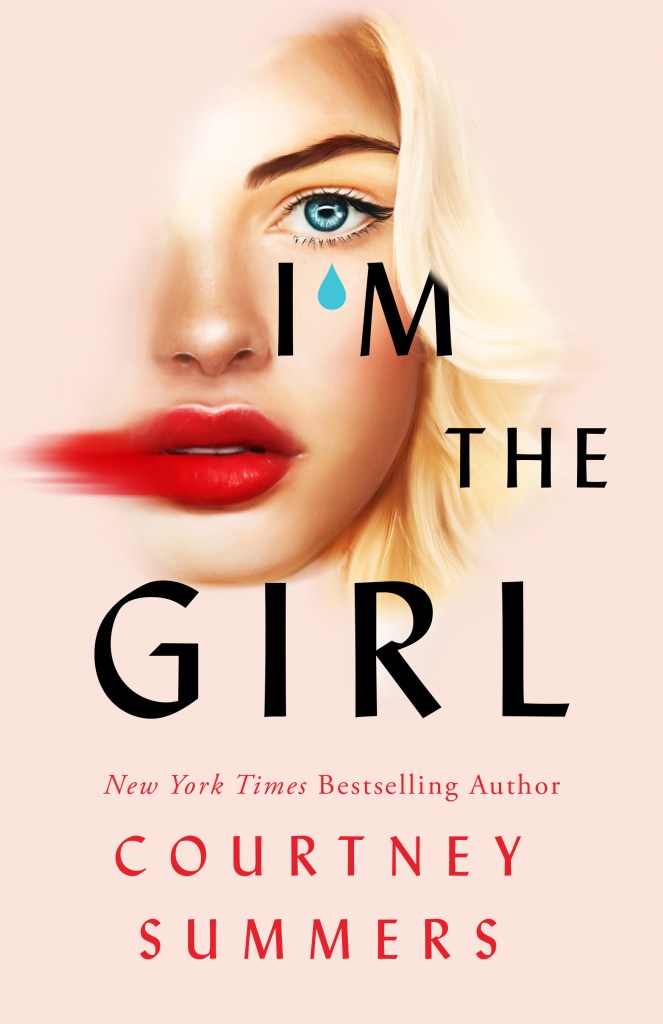
Book: “I’m The Girl” by Courtney Summers

Publishing Info: Wednesday Books, September 2022

Where Did I Get This Book: I received an ARC from the publisher at ALAAC22.

Where You Can Get This Book: WorldCat | Amazon | Indiebound

Book Description: The new groundbreaking queer thriller from New York Times bestselling and Edgar-award Winning author Courtney Summers.

When sixteen-year-old Georgia Avis discovers the dead body of thirteen-year-old Ashley James, she teams up with Ashley’s older sister, Nora, to find and bring the killer to justice before he strikes again. But their investigation throws Georgia into a world of unimaginable privilege and wealth, without conscience or consequence, and as Ashley’s killer closes in, Georgia will discover when money, power and beauty rule, it might not be a matter of who is guilty—but who is guiltiest.

A spiritual successor to the 2018 breakout hit, Sadie, I’m the Girl is a masterfully written, bold, and unflinching account of how one young woman feels in her body as she struggles to navigate a deadly and predatory power structure while asking readers one question: if this is the way the world is, do you accept it?

Review: Thank you to Wednesday Books for giving me an ARC of this novel!

Ever since I read “Sadie” by Courtney Summers, I knew that she was going to become one of my must read authors. “Sadie” kicked me in the gut, but I loved every minute of it because of it’s rawness. I was lucky enough to snag her newest book “I’m The Girl” at the Annual ALA Conference (well, Serena snagged it for me on our first night strategic ‘split up and find all the ARCs’ mission), but I knew that I would probably drag my feet on reading it for a bit. Just because I knew that she wasn’t going to pull punches in her newest thriller. She never does, you see. But I also knew that this one, with its haunting cover and somewhat vague description, was going to be something else. And when I did finally sit down and read it, it had my attention, even if it was another kick in the gut.

I will first and foremost say that this book, like most of Courtney Summers’s books, is a rough one. We do not shy away from pretty bleak but realistic issues, like grooming, sexualization of children, trauma, and rape, and it makes for a book that is filled to the brim with content warnings that should be heeded by those who have sensitivities. I am a fairly steely reader for the most part, but even this one had me deeply uncomfortable at a number of moments. But I think that it’s also important to be frank and candid about these things, especially if they are handled in a way that isn’t exploitative or titillating, and I think that Summers achieves that. If we are going to explore beauty as power and how, in turn, powerful people wish to exploit and own beautiful things and people, it’s important to look at what all that means, and I think that we do that here. Even when it’s dark and very disconcerting to do said exploration.

The mystery is the main artery of this story, as our protagonist Georgia stumbles upon the dead body of thirteen year old Ashley James, who was the missing daughter of the local deputy sheriff, after she herself was hit by the car of the potential perpetrator. George is recruited by Ashley’s sister Nora to help solve what happened, but there is a lot more to this story than a teenage murder mystery, and the complexity is deftly handled. George is also hoping to start working at the small town’s elite resort and social club Aspera, where celebrities, politicians, and other big wigs come from far and wide to experience the luxury provided by Matthew and Cleo Hayes and their done up employees, the women known as ‘Aspera Girls’. George’s mother was an Aspera girl until a scandal left her without a job, and while George has always been beautiful her mother, now deceased, always told her she wouldn’t belong. George is a very complicated character, whose foray in amateur detective-hood is overshadowed by her quest to fit into the opulence of Aspera, no matter the cost and no matter the sacrifice. Summers takes her time in unveiling bits and pieces of the plot, be it the mystery of what happened to Ashley, or the reasons that George is so desperate to join Aspera, and what she has tried to do to make herself stand out from the crowd in an effort to wield her beauty as the only power she feels she has. I did like the mystery overall, and I liked seeing George delve into the secrets of Aspera in connection to Ashley as she worked there, given that small town secrets are always okay in my book as a theme, and mysterious organizations are as well. I kind of figured out what was going on in regards to Ashley, but ultimately that isn’t the point of this book. This is more an exploration of the ways that girls are told they can be powerful, but how those in power can also take that power away in insidious ways. Especially if there is wealth and disenfranchisement involved between the players. And it all set me on edge, even as I tore through it over the course of a couple nights.

“I’m The Girl” is another triumph by Courtney Summers that looks into the void and doesn’t sugar coat what it sees. People will need to steel themselves for this one, but I think it’s powerful reading all the same.

Rating 9: Dark, powerful, and gritty to the bone, “I’m The Girl” is another unnerving YA thriller from Courtney Summers.

Reader’s Advisory:

“I’m The Girl” is included on the Goodreads lists “If You Love Veronica Mars… YA Books”, and “#MeToo”.

Kate’s Review: “A Blanket of Butterflies”

This post may contain affiliate links for books we recommend.  Read the full disclosure here.

Book: “A Blanket of Butterflies” by Richard Van Camp, Scott B. Henderson (Ill.), & Donovan Yaciuk (Ill.)

Publishing Info: HighWater Press, September 2022

Where Did I Get This Book: I received an eARC and a print copy from the publisher.

Where You Can Get This Book: WorldCat | HighWater Press | IndieBound

Book Description: No one knows how a suit of samurai armour ended up in the Fort Smith museum. When a mysterious stranger turns up to claim it, Sonny, a young Tłı̨chǫ Dene boy, is eager to help.

Shinobu has travelled to Fort Smith, NWT, to reclaim his grandfather’s samurai sword and armour. But when he discovers that the sword was lost in a poker game, he must confront the man known as Benny the Bank. Along the way, Shinobu must rely on unlikely heroes—Sonny, his grandmother, and a visitor from the spirit world. Together, they face Benny and his men, including the giant they call Flinch.

Will Shinobu be able to regain the lost sword and, with it, his family’s honour? Can Sonny and his grandmother help Shinobu while keeping the peace in their community?

Review: Thank you so, so much to Lohit Jagwani from HighWater Press for sending me an eARC and print copy of this graphic novel!

So today I am starting an ongoing series that is going to happen through the rest of September. I was approached by HighWater Press, and imprint of Portage & Main Press that focuses on Indigenous stories and voices by Indigenous authors, and it was decided that I would read and review a number of their graphic novels and middle grade books. So for the next few Thursdays there will be a decided theme, and honestly I am so excited to talk about and amplify these stories. So thanks again to Lohit Jagwani and to HighWater Press for this amazing opportunity! We are starting this series with “A Blanket of Butterflies” by Richard Van Camp, an author that I am familiar with due to not only the graphic novel collection “This Place”, but due to the picture books “Little You” and “We Sang You Home”, both huge hits with my toddler. I was very excited to check this graphic novel out, as I like Van Camp’s stories, and I was VERY intrigued by the premise of a Japanese man traveling to Canada to try and get his family Samurai armor back.

The plot to “A Blanket of Butterflies” is pretty simple and straightforward. A Japanese man named Shinobu has tracked down a family heirloom of Samurai armor and sword to a small community in the Northwest Territory in Canada, but when he arrives to reclaim it the sword has been lost in a poker game to a local heavy and his underlings. After he confronts Benny the Bank, he is beaten to a pulp, and is taken in by a boy named Sonny and his grandmother. I think that in a traditional Western tale, there are certain expectations as to how this would go, and I myself had my own thoughts on how this was all going to come together. But what I really loved about this book is that Van Camp takes these expectations and turns them on their head, instead focusing on Shinobu’s healing at the hands of Sonny’s ehtsi, and the things that he learns from her and how it shapes the rest of the story. I really liked how Van Camp did a lot of showing versus telling, whether it be regarding Shinobu’s tattoo’s to imply his dark past, or to use metaphorical visions in reference to the NWT’s involvement in the Manhattan Project. And, again, I enjoyed the more introspective way that the final conflict is approached, and how the examination of connections across families and cultures and the power of both can show similarities that may make us think twice about succumbing to more violent outcomes.

The most interesting part of this story, howeer, was the extensive bits of notes left at the end, talking about the experiences of Indigenous peoples in the modern and 20th century NWT, but also that of Japanese Canadians during WWII. I know a lot about the American Incarceration of Japanese Americans, but had no knowledge of the similar conditions of Japanese Canadians during this time. I really, really loved having the context there to explain how a Samurai armor and sword would be in a random possession of a Canadian person, and how the traumas of both Indigenous Canadians and Japanese Canadians intertwine a bit in this story because of colonialism, systemic disparities, and the Canadian government’s racist policies.

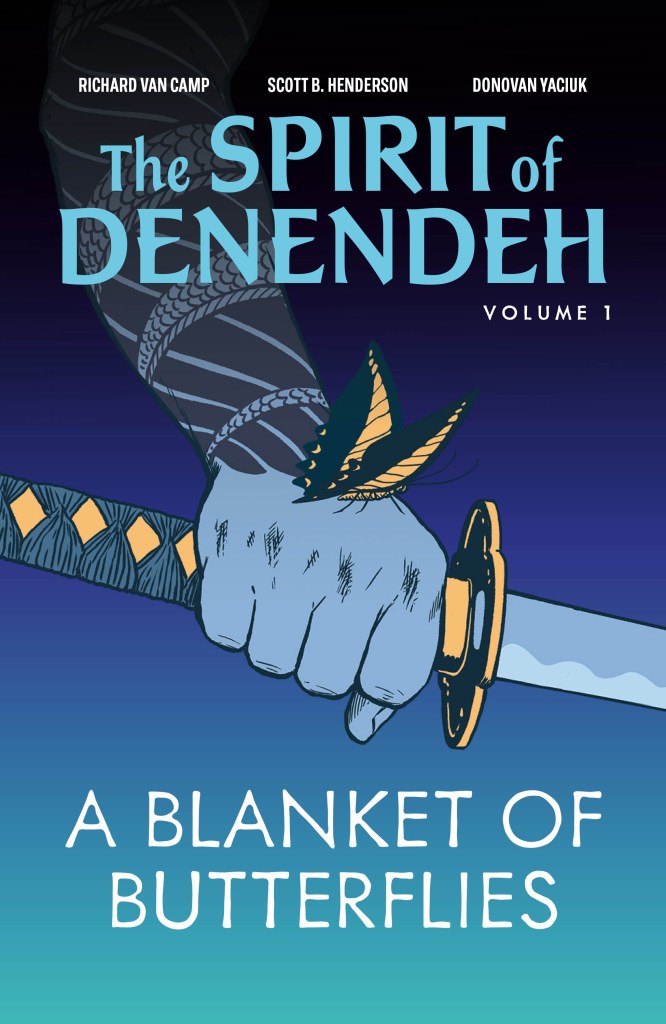
And finally, I really liked the artwork in this story. It has a realism to it, but it also has vibrant use of colors and tones, which makes it pop on the page.

Source: HighWater Press

I really liked this graphic novel. Richard Van Camp has a wide appeal across ages, and “A Blanket of Butterflies” moved me and explored other ways to solve conflicts for those who have been beaten down by conflict their whole lives. It was very enjoyable.

Rating 8: An informative but also moving story about connection, conflict, and shared thematic histories, “A Blanket of Butterflies” is a lovely graphic novel from Richard Van Camp.

Reader’s Advisory:

“A Blanket of Butterflies” is included on the Goodreads lists “Canadian Indigenous Books”, and “Graphic Novels & Comics By The Aboriginal, Indigenous, and Native Peoples of the World”.