Kate’s Review: “The Curse of Hester Gardens”

This post may contain affiliate links for books we recommend.  Read the full disclosure here.
Book: “The Curse of Hester Gardens” by Tamika Thompson

Publishing Info: Erewhon Books, March 2026

Where Did I Get This Book: I received an eARC from the publicist via NetGalley

Where You Can Get This Book: WorldCat.org | Amazon | Indiebound

Book Description: We Need to Talk about Kevin as if written by Jason Reynolds and Tananarive Due meets Model Home by Rivers Solomon in an innovative twist on the haunted house about a mother desperate to protect her sons from the twin specters of gun violence and otherworldly menace in their public housing project.

Nona McKinley raised three boys in the Hester Gardens section of Medford, Michigan, an impoverished community divided by those who follow their faith in God and those who turn to crime to survive. With her drug dealer husband behind bars and her eldest son shot to death at eighteen, Nona has devoted herself to ensuring her other children escape their brother’s fate.

Her second son Marcus is on the right path. He’s a valedictorian heading to an Ivy League school. He can get out.

But then, strange things start happening to Nona and other mysterious footsteps are heard when she’s alone, people have phantom encounters in the streets, unattended appliances go off at all hours. Even more concerning is the state of Nona’s living sons. Her youngest, Lance, is hanging around with a bad crowd, and Marcus becomes moody and secretive. Sometimes he even seems to act like a different person entirely.

Nona has her secrets too. Her affair with the married church pastor has been weighing on her conscience, but that’s not the only guilt haunting her. She fears that someone—or something— is seeking revenge for an act she made in a moment of weakness to protect her family. And now everyone in Hester Gardens must pay the price

Review: Thank you to Sparkpoint Studio for sending me an eARC of this novel via NetGalley!

I read Tamika Thompson’s short story collection “Unshod, Cackling, and Naked” a few years ago and really enjoyed it. There were so many horror tales that she had in it that were so well done and so compelling, and when I was asked to read her debut novel “The Curse of Hester Gardens” I was really eager to take a look. After all, she had some really strong short stories, and I wanted to see what she could do with a full length novel. And once I started reading, it became quite clear quite quickly how special of a book it was I was reading. I was hooked immediately, knowing that it was going to destroy me.

Given that this is a horror story, I will talk about the supernatural and slow burn dread first. In a similar vein to the film “Candyman” (it’s not a one to one comparison but I was thinking about its themes as I read), we have a housing project that is not only dealing with violence and poverty and being left to the wayside, but is also dealing with hauntings and ghosts of those who once lived there, and an escalating presence. It starts with a bang right from the start, with our protagonist Nona getting ready for her son Marcus’s graduation from high school, and believes that someone, or something, has entered her home, only to be alone. I was hooked from the start, and the creep factor slowly builds and builds with occurences that seem ghostly, but could also be explainable by the realities of living at Hester Gardens. But Thompson does a great job with the kind of weird to the all out terrifying, with resident ghosts making their presences known, and a potential possession of Marcus as he starts acting strange and out of character. There were so many beats with ghosts that could either just be straight forward realities (like a little boy ghost who just pops in and out and the residents are used to it), or something that seems to be growing in malevolence, and Thompson was able to pull different vibes from the various kinds of hauntings and they all worked. There is also some really quiet beats of creepiness, like a stove that keeps turning on, or a voice that could be a family member in the hallway but may NOT be, or straight up nightmare fuel, like a ghost climbing out of a wall to try an grab someone. I loved EVERY level, and the tension builds and builds until it’s unbearable and in need or release.

But the most impactful aspect of this book is the way that Thompson has taken a haunted house and ghost story theme and made it more explicitly about the spectre of American Racism, bringing in aspects of poverty, housing projects that fall to the wayside and become run down and left behind, gun violence and gang violence and the desperation of the residents who feel there is no other way to survive, and the infighting between people who have similar experiences but can’t get past their trauma that just keeps on cycling. Nona has experienced so much loss, whether it’s her husband who has been incarcerated (and whom she has a great anger towards), or her son Kendall who was murdered in a senseless drive by shooting. She is desperate to hold onto Marcus and Lance, and tries to do everything right by pushing Marcus to pursue his education, leaning into the Church (and getting too close to the married pastor), and looking down at Lance’s choices with who he’s hanging out with (which alienates him all the more), as if she has control in a situation where all of the odds are stacked against her and her sons because of their race. So much of my anxiety in this book was directly related to the seemingly insurmountable circumstances that Nona and her boys had to deal with, and as Marcus seems to be come possessed by a rageful spirit, there is also just the stark reality that systemic racism has built these traps for the Black community that directly lead to tragedy and more cycles of violence and loss and trauma, ghost involvement or not. It’s a devastating aspect of this book and I thought that Thompson captures the complicated natures of these things. I loved how complex so many of these characters were, even those who would so easily just be moustache twirly evil in the hands of other authors (such as a local gang leader who is violent and scary, but also adores his baby son and cares for his kind and well loved grandmother). Thompson really shows the pain and also the sense of community of the people at Hester Gardens, and decries the racist systems that keep these traumatic cycles going. It’s stunning work. I was weeping openly by the end.

“The Curse of Hester Gardens” is an incredible debut novel from Tamika Thompson. It’s scary and sad and kind of hopeful and just so, so well done. Horror fans, get your hands on this book.

Rating 10: Haunting, evocative, devastating, and powerful, “The Curse of Hester Gardens” is a haunted house story, but is also the story of racism, gun violence, cyclical trauma, and a woman desperate to keep her sons safe in a world in which they are constantly in danger, ghosts or not.

Reader’s Advisory:

“The Curse of Hester Gardens” is included on the Goodreads list “Horror to Look Fordward to in 2026”.

Kate’s Review: “Nothing Tastes As Good”

This post may contain affiliate links for books we recommend.  Read the full disclosure here.

Book:”Nothing Tastes As Good” by Luke Dumas

Publishing Info: Atria Books, March 2026

Where Did I Get This Book: I received an eARC from NetGalley

Where You Can Get This Book: WorldCat.org | Amazon | Indiebound

Book Description: Retail worker Emmett Truesdale has never fit the Southern California mold of six-pack, suntanned masculinity. Over three hundred pounds, he carries the weight of his childhood trauma and millennial ennui around his waist and in his soul. After trying every diet under the sun, he remains stuck—in his dead-end job, in love, and in his body.

Desperate for help, he enrolls in a clinical trial for a new weight loss product called Obexity. The treatment is as horrifying as the results are miraculous and as Emmett sheds pounds at superhuman speed, every part of his life improves overnight.

Unfortunately, Obexity comes with some killer side effects, including lost stretches of time and overwhelming cravings. Worse, people who were cruel to him have started disappearing and when the police warn of a cannibalistic killer on the loose, he fears that Obexity is turning him into a monster. But how can he give it up now that people are finally starting to treat him like he’s human?

Nerve-racking, sinister, and at times surreal, Nothing Tastes as Good is an unputdownable thriller that combines The Substance with the best of Stephen King and keeps you guessing until the final page.

Review: Thank you to NetGalley for providing me with an eARC of this novel!

I’m an elder millennial, so I was a teenager around that Y2K time when heroin chic bodies were in and they were calling Britney Spears and Jessica Simpson fat when they had perfectly svelte bodies. And yeah, it absolutely affected me. Story time! When I was a freshman in college I had to go to the student health center for positional vertigo, and while I was being examined the doctor told me that I was at 140 pounds (probably due to not having lunch in my meal plan, not really having snacks, and walking around the U of MN Duluth campus basically all day). This was the lightest I had been in years, and the doctor said that at 5’9″ and with my frame I was actually bordering towards underweight. And in my mind I was like ‘AWESOME!!! Underweight!!!!’ instead of ‘hmm, that may be an issue’. I’m still not really at peace with my body (decades later, hitting perimenopause, and after having a kid), but I’m trying to be at least more neutral about it. Especially since I now have a six year old daughter who has already told me that she didn’t want to wear her winter jacket because it makes her ‘look fat’. I had a lot of these thoughts swirling in my head as I read “Nothing Tastes As Good” by Luke Dumas, which takes diet culture, corporate greed, a little bit of MAHA ideals about body presentation, and throws it in a “The Substance” flavored blender. It’s gross, it’s upsetting, and it’s a really good horror read. More so given that we’re starting to see these really thin trends coming back.

As a body horror book, this one has a lot of nasty and stomach churning moments. I already have a fair amount of squick when it comes to body horror (I actually still haven’t seen “The Substance” outside of clips here and there before I feel like I may barf), and it’s not just because of the weird thing Emmett Truesdale’s body is doing whilst participating in a drug trial for a product called Obexity. It sure seems like a miracle drug as the pounds start to fall off in record time, and Emmett is more than happy to ignore the side effects because of his new body making his self perception and the perception of others so much more positive. But I’m sure that you can imagine that the side effects get worse and worse and crazier and crazier, and there is gore, there are weird body moments, and I was squirming a bit as I kept reading and the pounds kept dropping. I enjoyed the slow burn suspense, with the story being told through a fairly typical narrative, but also through Emmett’s body transformation discovery blog, through interviews after SOMETHING happens, and through notes and other hints from news articles and the pharmaceutical notes as the study goes on. And some descriptions were just so gross, but it’s exactly what I would expect from this kind of horror tale.

Dumas also has some really interesting and pointed commentary about how society views fat people and fat bodies, and clearly has a lot to say about how Emmett is treated throughout the narrative, be it while he is dropping pounds while on Obexity (with the aforementioned side effects wreaking havoc but being brushed away), or how he is treated during his time as a child whose disordered eating can be mapped due to trauma cycles done to him or even to his caregivers before him (specifically his stepfather), or even when he is yo-yoing and reminiscing about losing weight then gaining it all back and then some before the drug trial. I imagine that a lot of this is familiar to those who have struggled with disordered eating or body image issues, and Dumas doesn’t really mince words when showing how dehumanized Emmett feels when he is fat, and how the very fact he is actually seen and treated as a human being when he is thinner propels his desperation to stay on a drug that is making him do horrifying things out of his control. It’s scathing and a clear indictment on fatphobia from ALL fronts, be it family, friends, lovers, strangers, or even medical professionals, where someone is more comfortable being monstrous if they are at least treated like a human. Oof. It was rough.

“Nothing Tastes As Good” is an effective commentary and doesn’t hold back with the squirmy bits you want in a body horror tale.

Rating 8: A nasty and unnerving body horror tale that has a lot of insightful points about fatphobia in society.

Reader’s Advisory:

“Nothing Tastes As Good” is included on the Goodreads lists “Beauty Parlor of Horror”, and “Weird Lit”.

Kate’s Review: “The Darkness Greeted Her”

This post may contain affiliate links for books we recommend.  Read the full disclosure here.

Book: “The Darkness Greeted Her” by Christina Ferko

Publishing Info: Sourcebooks Fire, February 2026

Where Did I Get This Book: I received an ARC from the publisher

Where You Can Get This Book: WorldCat.org | Amazon | Indiebound

Book Description: Penny’s abusive father is dead…but she still hears his voice in her head, encouraging her to hurt those around her. She can’t go to school or be around her friends or even draw with a sharp pencil without her intrusive thoughts urging her toward violence. Desperate to get a handle on her OCD, she agrees to spend the summer at Camp Whitewood—an exclusive therapy retreat in the woods.

She feels optimistic when she arrives. The other girls all have their reasons for being there, which makes Penny feel a little less alone. But then she starts seeing things that can’t possibly be there: the gold watch her father was buried with, his favorite whiskey spilled on her cabin floor…a terrifying figure she calls the Shadow Man looming at the foot of her bed. Penny thinks she is losing her mind, but when a girl goes missing, and is later found dead, it’s clear that whatever is happening at Camp Whitewood isn’t all in her head.

As the hallucinations become increasingly intense and more girls wind up dead, Penny must work with whoever is left standing to figure out what is real before the Shadow Man uses their traumas against them and claims their lives.

Review: Thank you to Sourcebooks Fire for providing me with an ARC of this novel!

I had a LOT of emotional issues when I was a teenager. I had three separate therapists addressing different parts of my mental health, was on medication for a couple of years, and have been in therapy throughout most of my life (and I am incredibly grateful to have had all that access to these things over the years). I never got to the point where I was in need of intensive in patient therapy, and I certainly never found myself shipped off to a wilderness therapy camp that has secrets and perhaps a roving monster in the woods. So while THAT aspect of “The Darkness Greeted Her” by Christina Ferko wasn’t super relatable, the mental health aspects were (at least to some degree, it was NEVER as all encompassing for me as it was for main character Penny).

The biggest theme of his horror novel, as so many horror tales have done in recent years (and I’m not mad about it!), is how people who have gone through traumatizing childhoods are shaped and haunted by said trauma. For Penny and her camp mates, they all come to Camp Whitewood with the hopes of finding peace and psychological help, but instead are being tormented and in some cases eaten by a monstrous entity in the woods that takes the shape of their fears and pain. Old hat? Sure. But for me it’s still effective, and I think that it’s always something to be talked about for YA readers and a message I probably could have used as a depressed teenager back in the day. But not only did we get insight into our first person protagonist’s trauma, I also liked getting some chapters that would lay out the formative moments that brought that other girls to this therapy camp. So we do have a shadow creature living in the woods that is a threat, but at the same time we have a number of teenagers who have dealt with all too real horrors, like abusive alcoholic fathers, guilt over horrible mistakes that have become internalized to a dangerous degree, and other traumas that have festered and caused these girls to be susceptible to the monster’s appetites.

In terms of the suspense and dread, I will say that some of the pacing felt a bit off, and perhaps at times a bit too drawn out. It wasn’t a particularly scary story to me, but that is almost assuredly a ‘your mileage may vary’ situation because there are definitely some creepy and suspenseful aspects, especially with the worries about whether or not Penny was going to be overcome by her Harm OCD tendencies and hurt someone else or herself. The monster was interesting in that it shifts its form to reflect the different campers fears, mixing in folk horror with “Nightmare on Elm Street” to a degree (it also got a little close to Wendigo mythology, but didn’t use the term or the specific background so I feel like it wasn’t fully treading into appropriative territory, correct me if I’m wrong though!). The metaphors of trauma and mental illness bolstered it up quite a bit.

So all in all, “The Darkness Greeted Her” is another solid horror story that makes monsters out of real life horror stories. I think that teenage horror fans will probably enjoy it.

Rating 7: A creepy story about trauma and monsters, of the supernatural and all too human kind, though it felt a bit laggy at times.

Reader’s Advisory:

“The Darkness Greeted Her” is included on the Goodreads list “Queer Fiction Set at Camp”.

Kate’s Review: “You Did Nothing Wrong”

This post may contain affiliate links for books we recommend.  Read the full disclosure here.

Book: “You Did Nothing Wrong” by C.G. Drews

Publishing Info: St Martin’s Press, March 2026

Where Did I Get This Book: I received an eARC from NetGalley

Where You Can Get This Book: WorldCat.org | Amazon | Indiebound

Book Description: A relentless, horror-inducing psychological suspense for fans of The Push and Baby Teeth by New York Times bestselling author CG Drews.

Single mother Elodie’s life has become a fairy tale. She’s met Bren, equal parts golden-retriever devoted and sinfully handsome. He’s whisked her and her autistic son, Jude, to the crumbling family house he’s renovating. She has a new husband, a new house, and a new baby on the way. Everything is perfect.

Then Jude claims he can hear voices in the walls. He says their renovations are “hurting” the house. Even Elodie can’t ignore it–something strange is going on. The question is, is it with the house, or with her son?

Then the one secret Elodie has been hiding is revealed, and no one is safe anymore.

A pulse-pounding, clever take on the haunted house novel, You Did Nothing Wrong examines the complexities of motherhood and the twisted bonds of family as it races to its shocking ending.

Review: Thank you to NetGalley for providing me with an eARC of this novel!

We are getting some interesting subversions of the haunted house horror sub-genre recently! I love a haunted house story, but I’ve been pretty pleased with the way that authors have been experimenting with the themes that come with the sub-genre. “You Did Nothing Wrong” definitely falls into that category, because something that starts off seeming like just a ghostly tale turns into something even scarier than things that go bump in the night.

Whew, this book is intense for so many different reasons. We follow Elodie, a young mother to an autistic six year old named Jude (more on him in a bit) who has just married Bren, and is pregnant again. They move into a new house that Bren is trying to fix up, but Jude keeps talking about how the house is alive. And Elodie starts seeing strange things too. This is one layer of the tension, because Drews also throws in hints and clues to Elodie’s past, which carry a whole lot of darkness even if they aren’t apparent from the jump. Elodie is a narrator that I would shift between wanting to root for, to being completely horrified by, and I never quite knew if she was someone I could trust as a protagonist. But I had the same thing happen with Bren, who on the surface seems so kind and patient and doting, but has little flashes of menace and aggression. But then again, is that actually the case, or is it because we see what Elodie sees? As the story goes on and the tension between Elodie and Bren escalates, mostly because she also thinks she’s seeing things in the house AND because Bren is potentially abusing or manipulating Jude. As the story goes on Elodie gets more unhinged, but is she paranoid? Or is it something else altogether? Drews kept me guessing a good long time, and I was tearing through this book desperate to find out what happened next.

Another stressful point is the themes with Jude, who is presumed to be autistic based on how he is written, but who hasn’t been diagnosed because Elodie refuses to do so in case it is somehow blamed on her. As someone who has a child who is presumed autistic, there were beats in here that felt very familiar, either due to the way that some people just refuse to understand some of the more uncomfortable things about autistic people, or the way that things can go south in the blink of an eye without necessarily knowing why because your kid doesn’t really know why either. You add in a possessive obsession she has to her child and it makes it all the more intense. But then again, I was ALSO freaking out at Bren because I was so afraid that he was going to hurt Jude due to HIS misconceptions about how to treat an autistic child. It made me so uncomfortable but I’m pretty sure that was the point. Gosh I just wanted to sweep Jude up.

I do think that the ending had a few too many shocks and surprises, however. I’ve never been one to get behind a thriller novel that has a lot of last minute twists just to get a rise out of the reader, and while this book still stands very well on its own two feet due to the things I mentioned, I do think that there was a bit of an overreach when it comes to how things all shook out by the end.

But that’s a quibble in the long run, because overall I greatly enjoyed “You Did Nothing Wrong”. It kept me stressed out and it kept me flipping the pages whenever I had a chance. I definitely recommend it.

Rating 8: An addictive horror tale with unreliable narration and incredibly tense moments flies high for awhile, but has a slight petering out of an ending.

Reader’s Advisory:

“You Did Nothing Wrong” is included on the Goodreads lists “Autism in Horror Literature”, and “Dark Literature”.

Kate’s Review: “A Botanist’s Guide to Society and Secrets”

This post may contain affiliate links for books we recommend.  Read the full disclosure here.

Book: “A Botanist’s Guide to Society and Secrets” (Saffron Everleigh Mysteries #3) by Kate Khavari

Publishing Info: Crooked Lane Books, June 2024

Where Did I Get This Book: The library!

Where You Can Get This Book: WorldCat.org | Amazon | Indiebound

Book Description: London, 1923. Returning from Paris, botanical researcher Saffron Everleigh finds that her former love interest Alexander Ashton’s brother, Adrian, is being investigated for murder. A Russian scientist working for the English government has been poisoned, and expired in Adrian’s train compartment. Alexander asks Saffron to put in a good word for Adrian with Inspector Green. Despite her unresolved feelings for Alexander, Saffron begins to unravel mysteries surrounding the dead scientist.

As if a murder case weren’t enough, her best friend Elizabeth’s war-hero brother, Nick, arrives in town and takes an immediate interest in Saffron. Saffron learns Alexander has been keeping secrets from her, including a connection to Nick, who Saffron and Elizabeth begin to suspect is more than he seems.

When another scientist is found dead, Saffron agrees to go undercover at the government laboratory. Risking her career and her safety, she learns there are many more interested parties and dangerous secrets to uncover than she’d realized. But some secrets, Saffron will find, are better left undiscovered.

Review: I took a bit of a break from the Saffron Everleigh Mysteries after reading “A Botanist’s Guide to Flowers and Fatality”. I didn’t really do it deliberately (I mean not totally…), as I think it was more a matter of lots of other books coming out and just getting lost in the shuffle. But now that Kate Khavari’s fifth book in the series is coming out this summer (and after being asked to read it… stay tuned!), I decided that it was time to get back on the horse. And so I picked up “A Botanist’s Guide to Society and Secrets”, another botany STEMinist mystery with botanist Saffron Everleigh at the forefront in post WW1 London! And it was fun picking it back up, I’m happy to report.

Saffron gets pulled into another plant/poison based mystery when her old beau Alexander reaches out, saying his brother Adrian is suspected of murder after a man he’s traveling in a train car with drops dead of poisoning. Alexander hopes that Saffron will be able to help clear Adrian, and even though she is still a bit stung by Alexander she agrees to help. I admit that I missed Saffron and her flatmate/best friend Elizabeth. I felt right back into their banter again, and liked how they support each other not only in the mystery at hand but also in their day to day lives. Given that the second storyline of this book involves the sudden reappearance of Elizabeth’s brother Nick and how suspicious Elizabeth is of it, it was interesting seeing how these two friends deal with the mystery at hand as unexpected details come together (also it was a real hoot seeing Elizabeth and Saffron and Michael Lee from the previous book go to a night club of sketchy repute in hopes of finding information. Yes we’ll talk about Lee in a bit). And it does all tie in with Alexander’s worries fairly well. In fact, the mystery itself with dead scientists and a lab with unknown research was entertaining.

And the setting is still so perfect for me. We are now in 1923 London, and while WWI is behind them we are still seeing how it affected not only Saffron and Elizabeth and those around them, what with Elizabeth’s brother Nick cropping up unexpectedly and stirring up the grief of losing Wesley, Elizabeth’s brother and Saffron’s sweetheart, we also see the way that scientific research was affected post-War. Specifically in how the lab Saffron joins on the down low and the kinds of research it is doing with the memory of mass death still fresh. It’s fun how Khavari took a science thriller premise, that so much in the present focuses on scary new tech and the dangers of it running amok, and translates that kind of fear to a fear of tech one hundred years prior. That is what made this particular mystery stand out for me.

I will say that my big quibble that kind of marked down the experience for me is a petty one, and it’s one that plays a huge part in the story that kind of spoils some lingering questions from the previous book (and honestly, it’s also probably why I put off reading this one for as long as I did because I just knew it was going to happen). I want to talk about it but know that it’s a big ol’

(source)

Recall in my last review, I talked about Saffron finding herself in a bit of a potential love triangle, with the two points being old love interest Alexander (who had been away on a scientific excursion and came back super bitter about her for some reason) and Michael Lee, her forensic partner in poisonings last book. I thought that Saffron had much more chemistry with Lee, as the work together well and he always bolstered her intelligence while also trusting her judgement. Plus he was just more fun and less of an ass than Alexander, who was being a total jerk to her in the last book. Well, this book quashed it pretty fast and it’s made clear that Alexander is the one for her, and I was PRETTY irritated by that, mostly because HE WAS STILL BEING SUCH A WHINEY BABY TO HER IN THIS BOOK. He asks for her help with his brother, refuses to tell her why, and leaves out SO MANY DETAILS that she would need to know to be able to help him and gets all sour when she calls him out on it. WHY is this the guy that she is destined to be with? He’s such a drip. I do hope that Lee continues to show up because he’s a hoot, and maybe he and Elizabeth will start something up (honestly? That would be iconic).

So irritating romance nonsense aside, overall I enjoyed “A Botanist’s Guide to Society and Secrets”. It had some interesting stakes, set up a clear path forward, and had some more science-y shenanigans with an unique historical lens.

Rating 7: A compelling mystery that still has a unique hook, “A Botanist’s Guide to Society and Secrets” is another fun thriller with Saffron Everleigh and her friends buoying the story.

Reader’s Advisory:

“A Botanist’s Guide to Society and Secrets” is included on the Goodreads list “Best Fiction Books About Plants”.

Previously Reviewed:

Kate’s Review: “Crafting for Sinners”

This post may contain affiliate links for books we recommend.  Read the full disclosure here.

Book: “Crafting for Sinners” by Jenny Kiefer

Publication Info: Quirk Books, October 2025

Where Did I Get This Book: I own it

Where You Can Get This Book: WorldCat.org | Amazon | Indiebound

Book Description: A queer woman must fight her way out of a big-box craft store run by a diabolical religious cult in this gripping survival horror novel by Jenny Kiefer, author of This Wretched Valley

Ruth is trapped. She’s stuck in her small, religious hometown of Kill Devil, Kentucky, stuck in the closet, and stuck living paycheck to paycheck. After her manager finds out that she lives with her girlfriend, Ruth is fired from her job as a cashier at New Creations—a craft store owned by the church that dominates life in the town

In an act of revenge, Ruth attempts to shoplift some yarn but is caught red-handed by a New Creations cashier. Instead of calling the police, the employees lock her in the store—and attack her. When Ruth is forced to stab out one of their eyes with a knitting needle, she realizes she’s facing far bigger trouble than a simple shoplifting charge. As Ruth fights for her life, she plunges deeper into the tangled web of the New Creationists, who are hiding a terrible secret that threatens not only her, but the entire town.

This relentless horror novel will have you on the edge of your seat as it hurtles towards a breathtaking conclusion. Will Ruth escape? Or will the shocking secret at the heart of the cult die with her?

Review: One of my dearest friends David is an archaeologist and archaeology professor in California. Every summer he goes to Greece to work on excavations, and has also participated in excavations in Egypt in the past. He is also a gay man who is very out and proud about who he is. And with these two things in mind it is probably no shock that he has a HUGE (understandable and justified) chip on his shoulder about Hobby Lobby, a craft store that is not only deeply zealous in its Christian religiosity/anti-LGBTQIA+ stances, but whose president has also stolen MANY ancient artifacts from the Middle East because he feels that he is entitled to them because RELIGION! In fact, all of my crafting friends (and I have numerous!) despise Hobby Lobby because of these nasty facts, and I steer incredibly clear when I find myself in need of crafting supplies. Which is not so often, but I have an artsy kid and I used to do cosplay! I can sort of craft!

The last time I did a craft night with friends my creation was…. barely passable. (source)

With all of this in mind I snatched up a copy of “Crafting for Sinners” by Jenny Kiefer while on a mutual aid donation at a local book store, because the idea of a Hobby Lobby-esque crafting empire melded with a far right and cult-y church doing cult religious horror things was REALLY enticing. The satire alone was rich with opportunity! So you can probably guess that I was kind of disappointed when it didn’t hit the way I had hoped it would.

First, the things that I liked. The Hobby Lobby commentary is stellar. The way that the New Creationist Church runs the small town of Kill Devil is creepy and believable, with the only two out lesbians in town, Ruth, and Abigail, constantly under surveillance and constantly being pushed to become ‘saved’ to the point of targeted harassment. While the idea of a big box religious crafting empire trying to do cult rituals and blood sacrifice is certainly over the top, the bare bones ideas of a religious group/community harassing and harming those who are outside their ideas of acceptable and hiding their bigotry behind Godliness isn’t at all farfetched (hey, we have zealous military leaders saying that we are in a Holy War right now, after all, God I hate this timeline so much). We get snippets about the New Creationist beliefs through Ruth’s perspective, but also through hints of articles and transcripts throughout the narrative, with references to mysterious disappearances of queer people, stories of religious artifacts that have disappeared from the Middle East over the years, and through the way that Ruth is starting to be hunted down for sacrifice whilst in the walls of her old employer, sending her on a survival mission in the walls of a crafting store and the depths that it hides. All of this worked very well for me.

But there were some stumbles. I do think that the pacing was a bit off, as this book felt REALLY long, longer than it should have felt for a cultist horror tale. Ruth spends a lot of time hiding and ducking her tormentors, but it felt fairly repetitive and a bit like a slog. The suspense would wane, then build, then lose steam again, and it felt a bit like it could have been tightened up to keep the tension taut and consistent. On top of that, I didn’t really feel like I got to know Ruth or Abigail very well as the story went on. I liked them enough, and I was definitely rooting for them to escape the bigoted small town, before AND after the whole doomsday Christian cultist angle came through, but I never felt like I wanted more depth and exploration of their characters and their relationship so I could be more invested. I was rooting for them more on principle than I was for them as characters, and I would have loved to be able to rooting for them because of both of those things.

So “Crafting for Sinners” was a bit of a mixed bag. Great premise, middle of the road execution. I will definitely recommend it to my crafting friends though, as I know they will enjoy the quirks that come with it.

Rating 6: Loved the commentary and the bare bones of the cult/religious horror elements, but I wish that Ruth and Abigail were more interesting as characters.

Reader’s Advisory:

“Crafting for Sinners” is included on the Goodreads lists “Sapphic Horror”, and “Queer Books Set in Kentucky”.

Kate’s Review: “Ducks”

This post may contain affiliate links for books we recommend.  Read the full disclosure here.

Book: “Ducks: Two Years in the Oil Sands” by Kate Beaton

Publishing Info: Drawn and Quarterly, September 2022

Where Did I Get This Book: The library!

Where You Can Get This Book: WorldCat.org | Amazon | Indiebound

Book Description: Before there was Kate Beaton, New York Times bestselling cartoonist of Hark A Vagrant fame, there was Katie Beaton of the Cape Breton Beatons, specifically Mabou, a tight-knit seaside community where the lobster is as abundant as beaches, fiddles, and Gaelic folk songs. After university, Beaton heads out west to take advantage of Alberta’s oil rush, part of the long tradition of East Coasters who seek gainful employment elsewhere when they can’t find it in the homeland they love so much. With the singular goal of paying off her student loans, what the journey will actually cost Beaton will be far more than she anticipates.

Arriving in Fort McMurray, Beaton finds work in the lucrative camps owned and operated by the world’s largest oil companies. Being one of the few women among thousands of men, the culture shock is palpable. It does not hit home until she moves to a spartan, isolated worksite for higher pay. She encounters the harsh reality of life in the oil sands where trauma is an everyday occurrence yet never discussed. Her wounds may never heal.

Beaton’s natural cartooning prowess is on full display as she draws colossal machinery and mammoth vehicles set against a sublime Albertan backdrop of wildlife, Northern Lights, and Rocky Mountains. Her first full-length graphic narrative, Ducks: Two Years in the Oil Sands is an untold story of Canada: a country that prides itself on its egalitarian ethos and natural beauty while simultaneously exploiting both the riches of its land and the humanity of its people.

Review: In February I ended up going to see “Les Miserables” with my husband and some friends, and as I always do when seeing “Les Mis” I mentioned to the group my favorite “Hark, a Vagrant!” comic set that has Javert at the forefront. There’s just something about him burning down the Life Café in “Rent” that just tickles me. One of my friends mentioned Beaton’s graphic memoir “Ducks: Two Years in the Oil Sands”, saying that he really enjoyed it and that I should check it out. I had intended to do so back when it first came out a few years ago, but for whatever reason I didn’t get around to it, but made a note to head to the library and get it as soon as I could. And shortly thereafter I had it in hand and was ready to dive in, not totally sure what to expect but certain it would be something different from the whimsical cartoons I’ve known Beaton for over the years. And I have to say, my friend was right, it was very good.

“Ducks” is the story of Kate Beaton’s time after college where, worried about a lack of financial opportunities in her home of Cape Breton Island and the looming student loans post college, she took a job in the oil sands in Fort McMurray, Alberta, knowing the pay would be higher and the time to getting out of debt would be faster. While she isn’t prepared at all for what the oil sands will be like, she has to adjust to a huge change in her life, with jarring experiences, harsh conditions, and an experience unlike anything she’s had until this point. I found her story to be incredibly poignant and sobering, as while she finds connection and does seem to find her groove, she has to deal with cold management, misogynistic male co-workers (made all the worse due to a huge lack of other women, making her even more of a target), and grueling yet monotonous work. Throw in the bleakness of the way the beauty of the natural world around her is being stripped down and exploited for oil profits and we have an unflinching account of climate destruction that also brings financial opportunities to so many who are in desperate need of it. I don’t know that much about Canada and its history with oil and natural resources, but I felt like I learned a fair amount from this book in a way that was very accessible.

What I really loved the most about this memoir is that Beaton is very measured and thoughtful when telling her story, and is able to acknowledge the nuances of the oil sands and her time there while also examining and holding multiple truths. It’s true that the oil sands provided financial opportunities that she was having a hard time achieving elsewhere after her education was through and her student loans were looming, but it’s also true that she had some horrific experiences with misogyny, gross comments, and even sexual assault that went unacknowledged and without justice. She does a good job of showing the terrible men that she worked with there who objectified and wounded her, but also shows the good people there who did their best and supported her. She acknowledges the horrible climate and environmental harms that these oil sands bring to Alberta, with chemical spills, higher cancer rates, and nasty day to day symptoms, while showing the great beauty of being out in that part of the world and in the nature surrounding it. She shows the gross men and doesn’t excuse their vile behaviors and the sometimes all too unfortunate ways they would turn to drugs to get through their shifts, but also acknowledges how hard it can be for the workers who are so isolated from greater society that regression is almost unpreventable. She also takes great care to address the way that these oil sands affect Indigenous communities, be it how it can infect their water and affect their environment, or the way that Indigenous women can be so vulnerable to violence from the people who work there. It’s all very heavy and the themes are difficult, but the conversations surrounding it are necessary and I appreciate how she was able to parse out all of the nuance that comes with it.

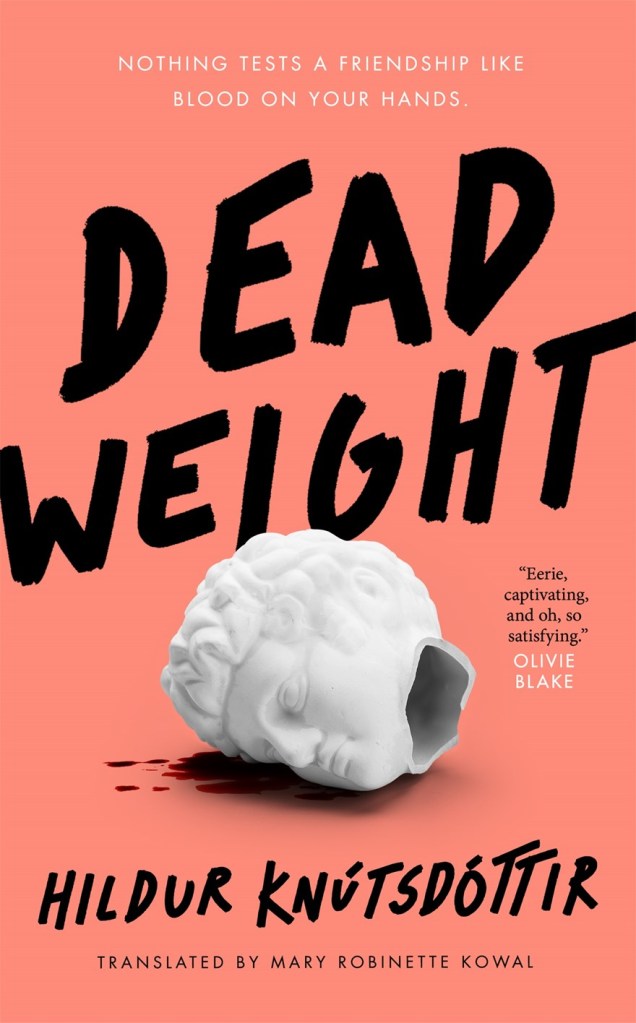
And the art is what I would expect from Beaton, while also capturing some really well done emotional beats and some lovely depictions of the place that was such a pivotal moment in her life.

(source)

“Ducks” is a fantastic and personal graphic memoir that I highly recommend. I learned so much about a very specific aspect of Canada that leaks into greater realities, and I thought it was simply sublime.

Rating 9: A deeply personal and nuanced graphic memoir that tells a story of financial opportunity that comes with a cost, climate destruction, and Canada itself, “Ducks: Two Years in the Oil Sands” was informative, interesting, and emotional.

Reader’s Advisory:

“Ducks” is included on the Goodreads lists “Graphic Memoirs”, and “Oh, Canada!”.

Kate’s Review: “Turn Off the Light”

This post may contain affiliate links for books we recommend.  Read the full disclosure here.

Book: “Turn Off the Light” by Jacquie Walters

Publishing Info: Mulholland Books, March 2026

Where Did I Get This Book: I received a finished copy from the publicist

Where You Can Get This Book: WorldCat.org | Amazon| Indiebound

Book Description: Two women living centuries apart are bound by the same dark secret in this haunting novel that “upends everything you think you know about ghost stories” (Jennifer McMahon, author of The Winter People).

The Devil enters through doors left open…

On the isolated Eastern Shore of Virginia, Edith is a healer, a woman of knowledge—and a woman watched. Shadows move where they shouldn’t. Whispers creep through the dark. Terrified she has opened her home to the Devil, Edith makes a desperate choice.

Claire doesn’t believe in ghosts—until she returns home to care for her dying father and finds her childhood house… listening. As one sleepless night bleeds into the next, she becomes convinced something is stirring beneath the floorboards. Something that has waited a long time to rise.

Is the house haunted? What compels this lurking darkness? As the danger mounts, Edith and Claire will discover they’ll need each other to survive. But they are separated by four hundred years. And time is running out for them both.

Review: Thank you to Little Brown and Company for sending me a copy of this novel!

I so enjoyed Jacquie Walters’s horror novel “Dearest”. It was a tense and evocative about motherhood and generational trauma, and it was done in a way that felt organic and earnest while also being very creepy. So I was absolutely interested in checking out her newest horror/supernatural thriller novel “Turn Off the Light”. It sounded like a haunted house story as well as a story about women dealing with difficult shit even without a haunted house to gaul them, and I was definitely in.

We have two narratives that we follow in this book. The first is in the modern day and follows Claire, a single mother returning to her childhood home to see her ailing father who is dying of dementia. Claire has avoided home for awhile, as she still has lingering trauma and sadness about the disappearance of her oldest sister Gabby, and the absence has caused a coldness between her and other sister Tilly who has been left with husband Peter to care for their dad. Claire feels like something strange is lurking in the home, and her worry grows as weird things start happening. The other narrative follows Edith, a woman living in the same house but during Puritan times, who works as a healer and medicine woman, but who starts to feel a weird presence in the house, which starts to feed into her anxieties about how her community, including her husband, sees her and her practices that she has kept mostly stifled due to fears of witchcraft. While I usually have a strong and clear preference for one narrative over another in these kinds of stories, I actually ended up liking both of them pretty evenly in this one. Claire’s life was engaging because of the family tension and the unsaid sadness within her family with her lost sister and sick father, and Edith’s story sucked me in because I am ALWAYS going to be into stories of healer women being viewed with suspicion because of Puritanical zealotry. I also thought that both women were pretty well fleshed out, and that they had complexities that made them all the more interesting to follow.

In terms of the horror/supernatural and thriller elements, this one did have a fair amount of suspenseful beats as both Claire and Edith think they are living through a haunting in the house that they both inhabit, centuries apart. I loved the slow burn of weird incidents in both timelines, which seem to be escalating but always feel just a little bit odd so that it wasn’t totally clear as to what was going on. I had a pretty good feeling I could track where things were going, and while I was basically right it still was interesting to see where Walters was taking the reader. I don’t want to spoil anything so will remain vague, but it went in directions that may be a little unexpected and did so in a way that made me feel like it was pulled off. It’s just very creative and I liked taking the journey and all of the tension that came with it.

“Turn Off the Light” is another fun novel from Jacquie Walters! I definitely recommend it for horror fans who like to think a bit outside the box of what a haunted house is.

Rating 8: A creative historical and supernatural thriller that jumps through time, “Turn Off the Light” had some solid twists, a lot of suspense, and two narratives that complemented each other quite well.

Reader’s Advisory:

“Turn Off the Light” is on the Goodreads list “Horror Releases Coming in 2026”.

Kate’s Review: “Nowhere Burning”

This post may contain affiliate links for books we recommend.  Read the full disclosure here.

Book: “Nowhere Burning” by Catriona Ward

Publishing Info: Tor Nightfire, February 2026

Where Did I Get This Book: I received an eARC from NetGalley

Where You Can Get This Book: WorldCat.org | Amazon | Indiebound

Book Description: Set in the unforgiving maw of the Rocky Mountains, Nowhere Burning is the latest harrowing novel from bestselling author Catriona Ward, perfect for fans of Riley Sager and the hit series Yellowjackets.

A refuge for lost children may also be their prison.

In the middle of the night, Riley pulls her younger brother Oliver out of bed, and the two run away from home. Riley is intent on joining a group of teenagers squatting in the abandoned ruins of an infamous movie star’s ranch, Nowhere. For actor Leaf Winham, Nowhere was a place to hide from his fame, and to hide his crimes―until a fire ravaged his home and exposed him as a murderer.

It is rumored that the ranch nestled in the peaks of the Rocky Mountains is now home to group of feral children, a place where adults cannot enter, and Riley hopes to find a new family there. But the Nowhere Kids are fierce in defending their turf and their clan, and Riley quickly realizes that while she and Oliver may have left the devil they knew, this group is a new type of diabolical.

For something dark lives in the burned shell of Nowhere, something which asks a terrible price for sanctuary

Review: Thank you to NetGalley for providing me with an eARC of this novel!

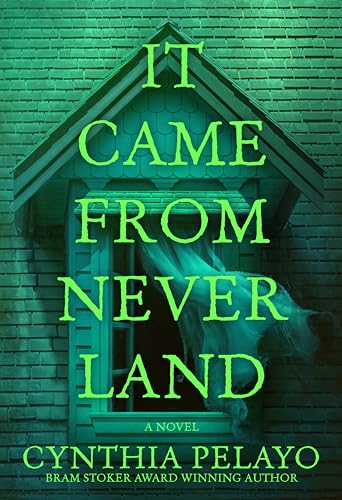
I haven’t every been super into “Peter Pan”. I watched the Disney movie as a kid (though I’m not sure I’d show it to my own kid these days), and enjoyed the Mary Martin version that we had on video cassette and has apparently been kind of forgotten by post-Millennial generations (when I saw a random video about how NOVEL and UNKNOWN this movie was I felt my bones turn to dust), but it was never a favorite of mine. But I do like the idea of reimagining classic tales as horror stories. “Nowhere Burning” by Catriona Ward is a horror story that takes some “Peter Pan” themes and changes it into something weird, unique, and unnerving.

I always love the vibes of a cult themed horror novel, and this one feels like it mixes some Branch Davidian lore with a “Children of the Corn” feel to it to make something weird and creepy as hell. I also enjoyed the “Peter Pan” allusions, with children fending for themselves feeling like they will never grow up after following vague ‘second star to the right’ directions into the Rockies. We follow a few different threads and narratives, which are unclear in how they line up at first. The most prominent one is Riley, a desperate teenage girl who escapes with her younger brother from an abusive situation, looking for solitude and thinking she’s found it with the kids at Nowhere. We also have a documentarian who is hoping to get some answers about Nowhere and the history and notoriety, as well as an architect who was hired on by Leaf Winham, the original owner of Nowhere who went on to commit the unspeakable, and who falls into a complex and obsessive web. Riley’s was, for me, the most interesting, seeing her slowly realize that perhaps she and Oliver aren’t super safe with the Nowhere Kids as things become weirder and weirder and more and more danger becomes apparent, though I will say that once we do figure out where the timeline falls for all the narratives it made them all pretty interesting.

And the “Peter Pan” references were pretty enjoyable. It’s not like The Rockies are what I imagine when I think of ‘Neverland’, but the way that Ward creates a symbol of freedom and feralness within the mountains that is very in line with the idea of The Lost Boys wasn’t lost on me. From alligators named Tinkerbell to many exits out of windows to ‘flying’ thanks to ziplines in the wilderness. There are even more meta references to Peter Pan adjacent mythos, specifically how much notorious filmmaker Leaf Williams mirrors Michael Jackson, with his eccentricities, his isolated and sprawling ranch, and some of the details within the ranch (such as a ferris wheel) clearly making reference to the now deceased and controversial King of Pop. I love a reference, and seeing the details sprinkled throughout the narratives was very, very fun for me.

“Nowhere Burning” is a solid horror novel that will surely satisfy horror fans who like a “Peter Pan” homage.

Rating 7: A strange and unnerving homage to “Peter Pan” that brings Neverland to an unforgiving Rockies, “Nowhere” is a weird and entertaining cult horror tale.

Reader’s Advisory:

“Nowhere Burning” is included on the Goodreads list “2026 Women in Horror”.

Kate’s Review: “We’re Not Safe Here”

This post may contain affiliate links for books we recommend.  Read the full disclosure here.

Book: “We’re Not Safe Here” by Rin Chupeco

Publishing Info: Sourcebooks Fire, November 2025

Where Did I Get This Book: I received an ARC from the publisher

Where You Can Get This Book: WorldCat.org | Amazon | Indiebound

Book Description: Wispy Falls’ town motto is: “You’ll be safe here!” But that doesn’t seem to be true. Because in Wispy Falls, monsters live in the woods, and children go missing, and the bodies are beginning to stack up.

A seventeen-year-old vlogger known as Storymancer is determined to get to the bottom of what’s wrong in Wispy Falls. A few years ago his six-year-old brother went missing in the woods and no one in town seemed to care enough to find him.

So now he’s investigating why every household participates in something called the Bloodmoon Ritual, why cryptid sightings are so common, and why everyone who goes into the woods goes missing. If he can’t fix what’s wrong with the town, he just might be the next body in the woods.

Told primarily through video transcripts, message boards, and radio shows, this Welcome to Nightvale-inspired horror will chill you to your core.

Review: Thank you to Sourcebooks Fire for sending me an ARC of this novel!

It’s been awhile since I read a Rin Chupeco book, not necessarily because I was avoiding it (on the contrary, I’ve enjoyed basically all of the Chupeco books I’ve read!), but just because I lose track of authors sometimes. So when “We’re Not Safe Here” ended up in my mailbox I was excited to say the least. And reading the description of the book made me all the more interested. I love a found footage/media story format, I like the idea of weird dangerous cryptids lurking outside a strange town, and if you’re going to reference “Welcome to Night Vale” I’m going to be all the more intrigued. Quirky and weird podcast reference from awhile back in my personal lore? Yes please! I went in with pretty optimistic expectations. But I’m sorry to say that “We’re Not Safe Here” didn’t live up to the expectations I had.

But first the good. The description does reference the podcast “Welcome to Night Vale”, which was a huge incentive for me to read it because I was REALLY into “Night Vale” for a few years back in the day (I kind of lost interest after the StrexCorp storyline wrapped up). And as I was reading it I definitely got the “Night Vale” vibes, with the found media transcripts of broadcasts and the generally casual speak of cryptids and monsters stalking to woods really harkening to the charm of that podcast that really pulled me in. I also loved some of the gnarly descriptions of the various cryptids, especially The Backwards Lady. Because man, do I LOVE a weirdly misshapen and creepy and menacing lady whose face you cannot see. Chupeco has always done a really good job of taking on these kinds of unsettling horror tropes, and the concept of all of these cryptids and the found footage transcriptions really was incredibly interesting and promising for a horror novel. Top tier concept for sure.

Unfortunately, it never really quite came together. I feel like we were getting hints throughout our transcripts and video descriptions and chat logs and message boards, but it felt like it kept going on and on and there wasn’t really much steady build up. It was more of a continual stall out. I also found a lot of aspects of it to be pretty confusing. I had to keep paging back earlier to double check my facts, and I don’t know if it was because of the format of so much transcription and video footage or if it was something else. And by the time we did get to the end I felt like there were a lot of questions that remained unanswered, as well as a really abrupt end which felt unsatisfying. It was such a shame because I generally have enjoyed the books that Chupeco has put out in the past, and this one felt like such a miss it was kind of shocking.

“We’re Not Safe Here” had a great concept and premise but didn’t execute it super well. I’d sadly have to say skip it.

Rating 5: A great concept with some nice callbacks to “Welcome To Night Vale”, but it dragged a bit by the end and felt rushed and muddled.

Reader’s Advisory:

“We’re Not Safe Here” is included on the Goodreads list “Midnight Reads”.