
This post may contain affiliate links for books we recommend. Read the full disclosure here.
We each have our own preferred genres of choice. Kate loves horrors and thrillers, really anything that will keep her up at night! And Serena enjoys escaping through hidden doors into realms of magic and adventure. We also read mysteries, historical fiction, graphic novels, etc. etc. And that’s not even counting the multitude of sub-genres contained within each greater genre. In this series, one of us will present a list of our favorites from within a given sub-genre of one of our greater preferred genres.
There is a near constant debate going on right now about the definitions and delineations between what constitutes “romantasy” and what should be categorized as fantasy romance. Part of the problem, I think, comes down to simple word order and what it says about the type of book you’re picking up. As readers will have noticed following this series of posts about subgenres, or about these terms in general, is that the primary genre is always the last word, preceded by some sort of descriptor that gives additional detail into the specifics of the subgenre. So, for fantasy, you have things like urban fantasy or gothic fantasy. Further, for subgenres within romance you see things like dark romance or historical romance. Descriptor followed by primary genre.
Now, if you break apart the term “romantasy” you would get “romantic fantasy,” seeming to indicate that you are reading a fantasy book first and foremost with a dash of romance added in. It should meet all fantasy expectations with more free reign on how the romance is dealt with, as it is the “sub” of the greater “genre.” Unfortunately, this is NOT what “romantasy” means. Instead, it’s the opposite, a subgenre of the romance genre with all the requirements for the romance genre coming in first consideration, with fantasy used only as a support frame for the love story.
This all leaves it very confusing for the readers who are truly looking for the “romance” subgenre of fantasy, instead of the “fantasy” subgenre of romance that is so often being marketed to them. To make matters worse, more and more people are saying that this former option should be called “fantasy romance.” Which, as I just laid out, reads as completely opposite of the way that readers understand and approach genres and subgenres! To those not in the know, “fantasy romance” should be shelved right next to “historical romance” in the romance section; it only makes sense!
As you can see, I’ve labeled this post “romantic fantasy” and I truly think we should push this as the term used for this subgenre. “Romantasy” is so established as a term on its own at this point that I don’t think there would be any confusion regarding the fact that it was originally a combination of these two words. Instead, by using “romantic fantasy” instead of “fantasy romance” we’d be following the traditional rules of categorizing subgenres, thus making it easier for fantasy readers to find their preferred subgenre within this greater whole.
So, all of that said. Here are some “romantic fantasy” books that I think represent the subgenre well. I’ve intentionally tried to pick books that can be seen as the fantasy counterbalance to many of the popular “romantasy” tropes being put out today. Unlike those, these books follow fantasy genre conventions first and foremost, with the romance coming in second fiddle. Per the usual with fantasy, several of these are series, and as such, the romance plays out as slow-burn throughout, with love stories moving only incrementally (if at all!) in some books.

“Wildwood Dancing” by Julier Marillier
Fairie/Fae Romance – Faerie romances are by far one of the most popular sub-subgenres seen in “romantasy” currently. There’s no denying the power of Maas and her influence in this area. On the other side, Marillier is a go-to for any fantasy reader looking for the romance subgenre within. I’m pretty sure every single one of her books would fit within this category. But this one is the closest to the sort of faerie romance that we typically see in “romantasy.” Unlike those, the romantic interest isn’t actually Fae, but much of the story still revolves around faerie, their wonder and danger. A couple other great examples for this with actual Fae romantic interests would be “Emily Wilde’s Encyclopaedia of Faerie” by Heather Fawcett and “Spinning Silver” by Naomi Novik. I highly recommend both of those as well, but I’m using another book by Novik below and I reviewed the latest “Emily Wilde” book just last week!

“Kushiel’s Legacy” trilogy by Jacqueline Carey
Dark Romance/Enemies-to-Lovers – While I don’t read much of it, I know that “dark romance” is another very popular version of “romantasy” currently making the rounds. And it goes without saying that “enemies to lovers” is the current GOAT of tropes. The romantic fantasy comparable option for this one is a no brainer! “Kushiel’s Dart” goes into undeniably dark directions, both in its exploration of lust and sexuality and in the violence of this world. But there is also one of my favorite love stories at the heart of this trilogy as well! Beyond that, it’s political fantasy novel first and foremost, with detailed world-building and a strong focus on the political manipulations and strategizing of the characters that make up the story. Phedre is probably one of my Top 10 favorite fantasy heroines of all time, and that’s saying something considering just how many great ones there are out there!
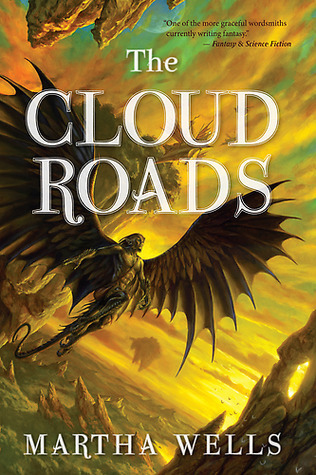
“The Books of the Raksura” by Martha Wells
Monster Romance – Ruby Dixon and her “Ice Planet Barbarians” is probably one of the most popular examples of this in “romantasy.” There are less human/monster love stories in fantasy (other than the typical urban fantasy fare with vampires and werewolves, but at this point, those barely count as monsters, as bizarre as that is!). But this was a perfect excuse to shine a light on one of Wells’ most over-looked trilogies! The story follows Moon, a shapeshifter who finds out he has a great destiny. As you can see from the cover art on this and the other books, Wells’ characters are wholly unique species with only small nods to humanistic traits. There is a ton of action and adventure to be found in this trilogy, but also a sweet romance at its heart. I’m hopeful that now that Wells’ other back catalog titles are getting re-prints that we’ll see new editions of these soon!
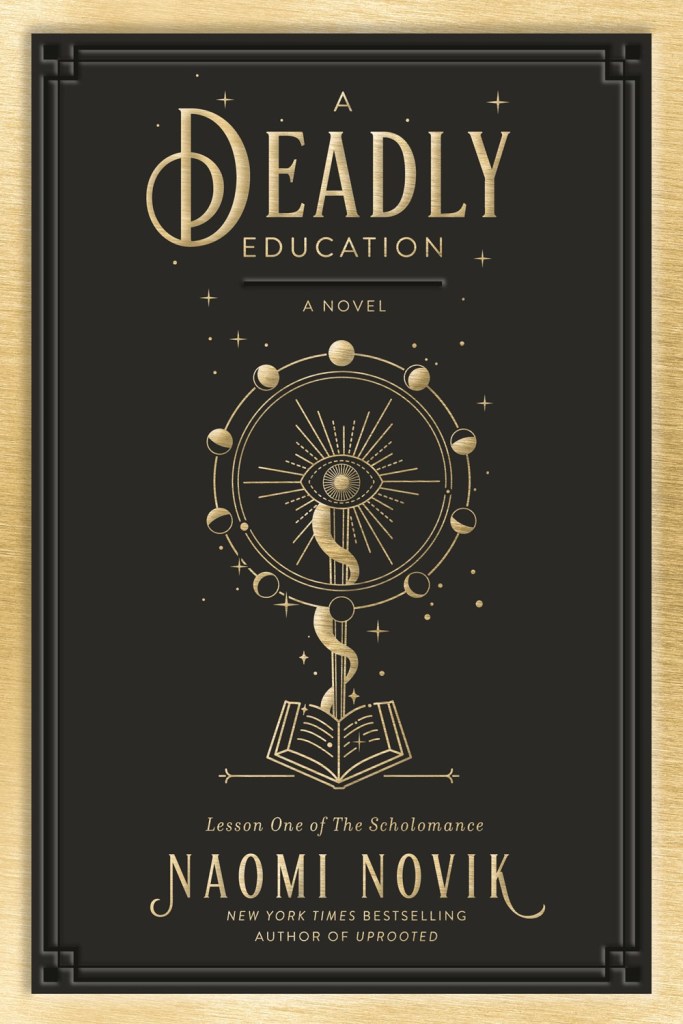
“Scholomance” trilogy by Naomi Novik
Dark Academia/Rivals-to-Lovers – I’ve already mentioned Naomi Novik on this list, as she has several others books that would easily fit within this subgenre (“Uprooted” is another great example that falls more on the fairytale re-telling side of things). But I wanted to highlight this trilogy as comparable titles to the dark academia trend seen a lot in “romantasy.” I love everything about this trilogy, but the stand-out feature is probably the narrator, El, who has one of the strongest voices as a narrator that I can think of. She’s also prickly and stand-off-ish, and her awkward stumble into the central romance is incredibly endearing.
“A Darker Shade of Magic” trilogy by V. E. Schwab
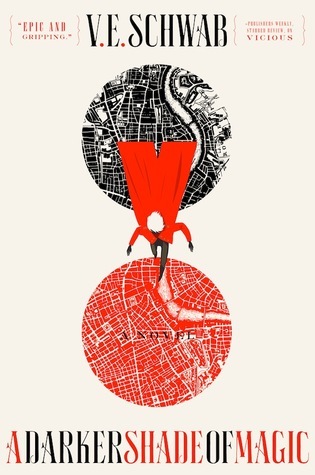
Multi-POVs/Multi-Romances – To be fair, multi-POV books are by far more common in the fantasy genre than in the romance genre. But as I couldn’t really think of any comparable options for why-choose/throuple romances, here we are. There are two lovely romances in this one, but true to the fact that they are fantasy novels first and foremost, neither love story really starts up until the second book. The central one follows Kel and Lila, the main characters of the story. And the second is a M/M romance that kind of came out of nowhere, but turned out to be heart-wrenching all on its own. Beyond that, the trilogy as a whole is so perfectly crafted that I think it’s one of those rare series where each book individually would warrant a “10” rating.

“The Rook and the Rose” trilogy by M. A. Carrik
Slow Burn – I have to say, it’s hard to think of a true slow burn in “romantasy.” But, as I’ve talked about extensively now, as a subgenre of the romance genre, it’s a bit hard to work a slow burn love story into a true HEA romance novel. But slow burns are a staple of romantic fantasy. As many of the above books highlight as well, the love stories often don’t even get truly started until the second book in. So too with this one. Instead, the focus is more on the intricate world-building, various hidden identities, and the careful balance who know s which of the numerous secrets floating around. The first book barely hints at the central romance, but it really blossoms in the second one!
What romantic fantasy books are your favorites? Let us know in the comments!
 The Library Ladies
One thought on “Diving Into Sub-Genres: Romantic Fantasy”